Chinese President Xi Jinping kicked off his U.S. state visit on Wednesday afternoon.
U.S. President Donald Trump greeted Xi in person at the airport and held a grand welcome ceremony there with a 21-gun salute, a military flyover and the playing of national anthems of the two countries.
Kenya Tea Development Agency (KTDA) National Chairman Enos Njeru has reaffirmed the agency’s commitment to protecting tea farmers’ interests as preparations intensify for the second payment to growers.
Njeru was among senior officials who attended a meeting at Kilimo House chaired by Principal Secretary for Agriculture Dr Paul Rono, bringing together senior management from KTDA, the Tea Board of Kenya and the Ministry of Agriculture.
The meeting focused on the position and preparedness for the second payment to tea farmers, with discussions centred on ensuring that all necessary measures are in place to facilitate a timely and smooth payment.
For Njeru, the discussions represent an important step in ensuring that tea farmers receive the earnings due to them from their produce.
The KTDA chairman has continued to emphasise the importance of placing farmers at the heart of decision-making within the tea sector, particularly at a time when growers are looking for stronger incomes and greater transparency in the management of the industry.
The Kilimo House meeting also considered the President’s directive on the audit and validation of KTDA loans. Discussions examined the framework and modalities for undertaking the process and determining the appropriate action based on its findings.
Njeru reaffirmed KTDA’s willingness to engage with the Ministry of Agriculture, the Tea Board of Kenya and other relevant stakeholders throughout the process.
He said KTDA would continue providing the information required and advocating for measures that protect farmers’ interests, strengthen their incomes and ensure that every effort is made to deliver their rightful earnings from tea.
The chairman’s position underscores the central role of farmer welfare in KTDA’s engagement with government and other stakeholders as the tea sector navigates issues surrounding payments, loans and the overall sustainability of tea farming.
The second payment remains a critical issue for thousands of tea growers who depend on tea earnings to meet household needs, pay school fees, invest in their farms and sustain their livelihoods.
By actively participating in consultations with government and sector regulators, Njeru is positioning KTDA as a key stakeholder in efforts to address issues affecting tea farmers while ensuring that growers’ concerns remain firmly represented in policy and implementation discussions.
The focus on the audit and validation of KTDA loans is equally significant, given the importance of establishing a clear understanding of the agency’s loan position and determining the appropriate way forward based on verified information.
As the process progresses, KTDA is expected to continue working with the Ministry of Agriculture and the Tea Board of Kenya to ensure that the interests of tea growers remain central to decisions affecting the sector.
For Njeru, the guiding principle remains straightforward: farmers must come first.
His emphasis on farmer welfare reflects a leadership approach focused on engagement, accountability and advocacy for growers as stakeholders whose livelihoods are directly tied to the performance and sustainability of Kenya’s tea industry.
As preparations for the second payment continue, KTDA’s message remains clear — every effort must be made to ensure that farmers receive their rightful earnings while broader reforms strengthen the sector for the future.
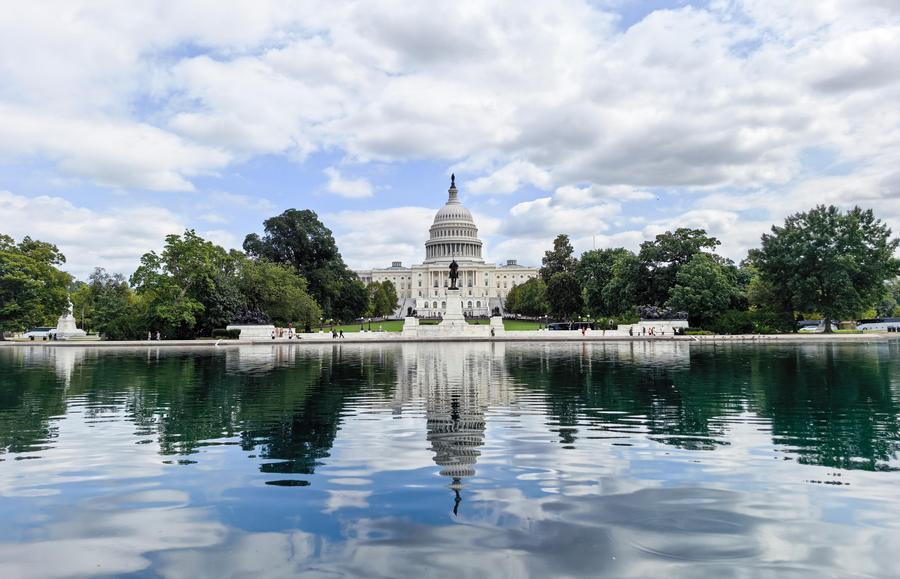
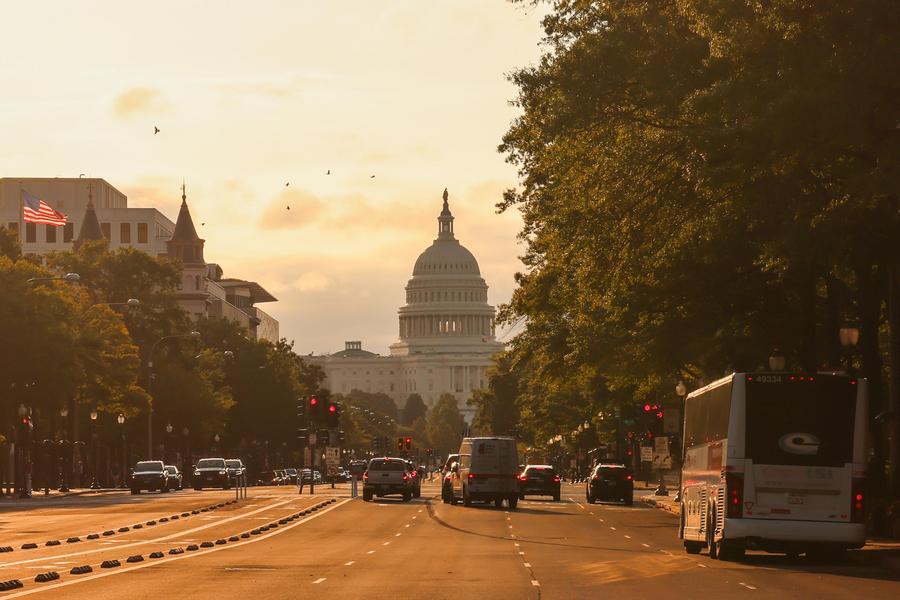
This photo taken with a mobile phone shows the U.S. Capitol building in Washington, D.C., the United States, Sept. 19, 2026. (Xinhua/Li Xiang)
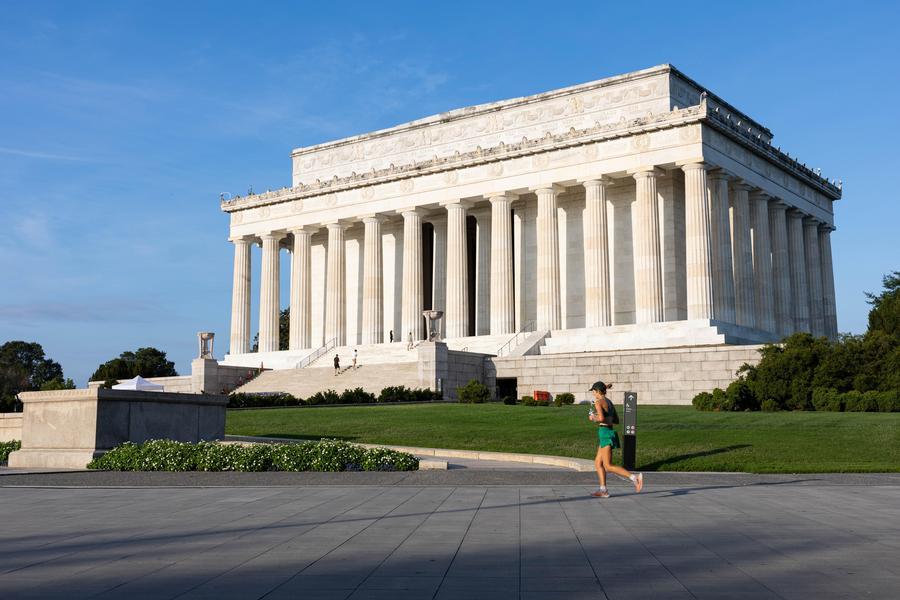
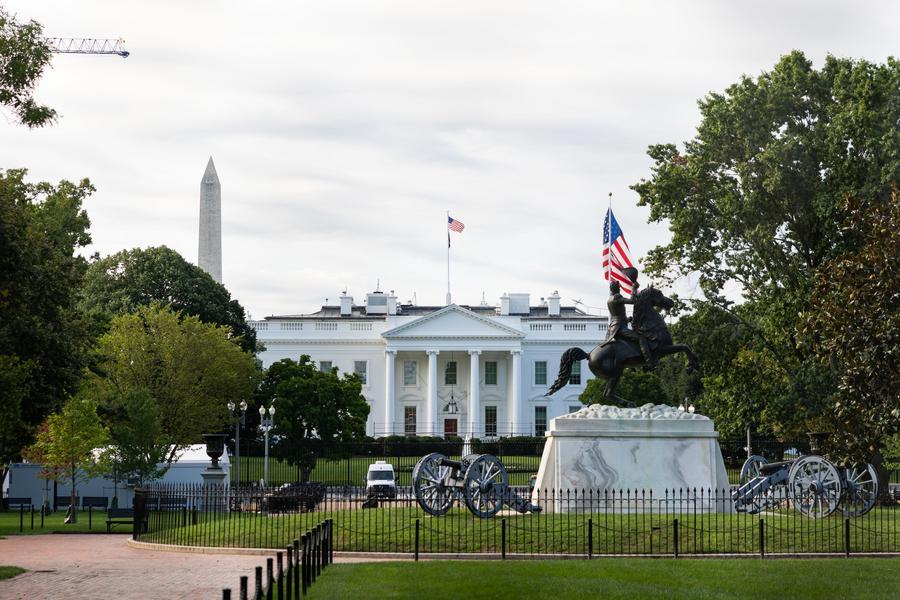
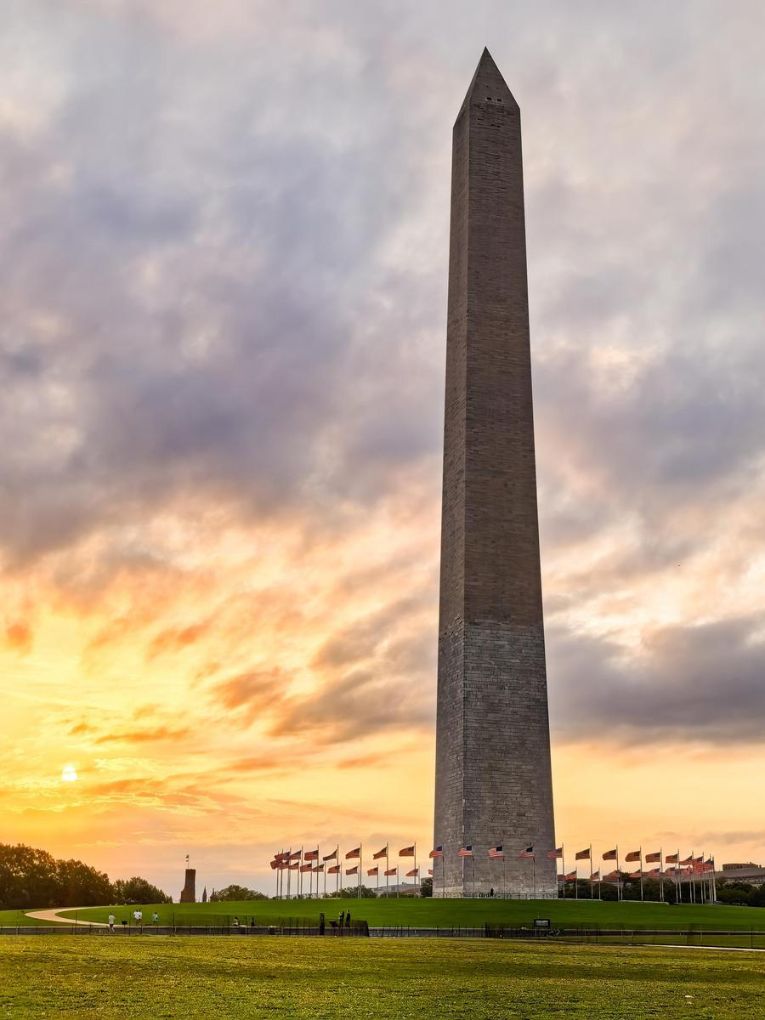
WASHINGTON, Sept. 22 (Xinhua) — Washington, D.C., capital of the United States and seat of the U.S. federal government, is a historic city famous for its iconic landmarks, monuments, museums, and its pivotal role in American history and politics.
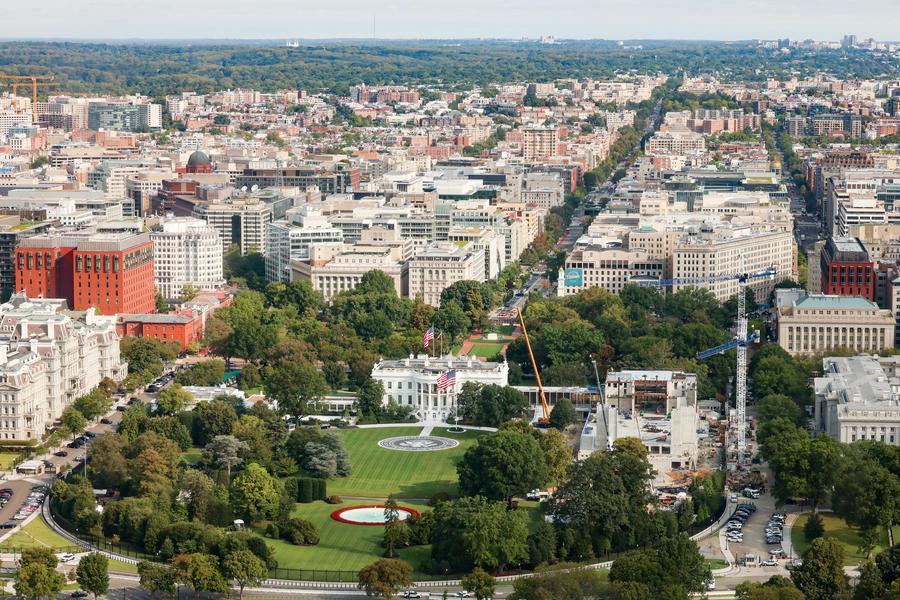
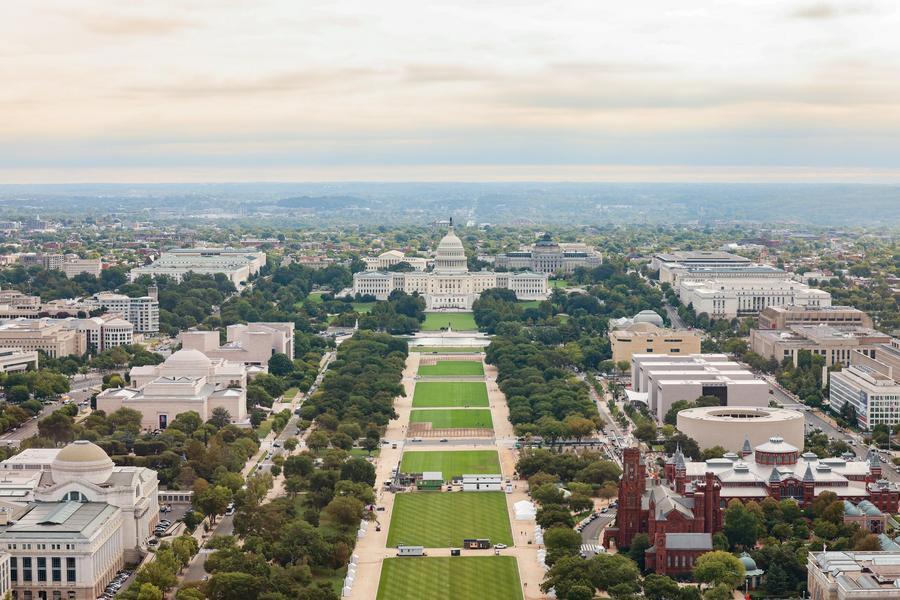
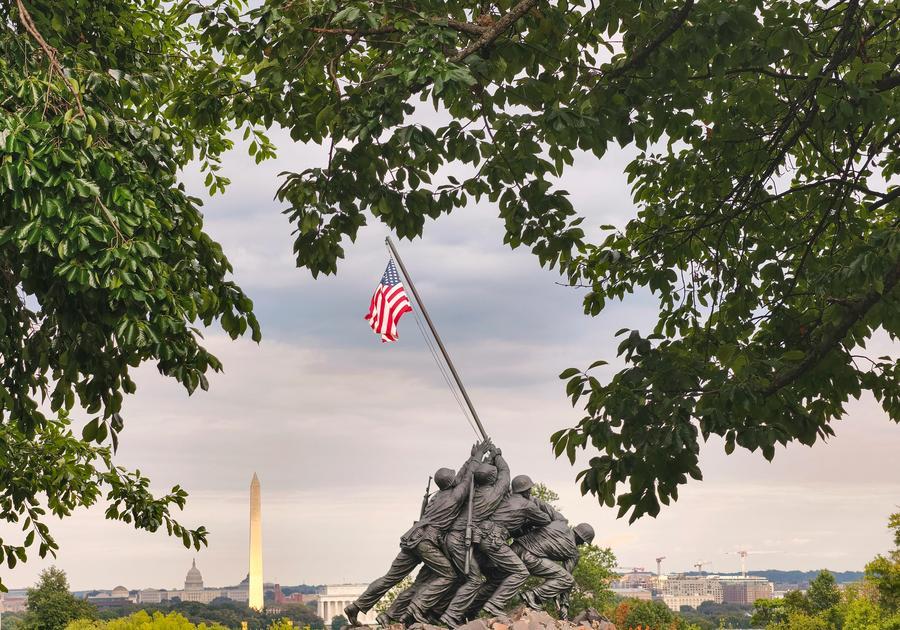
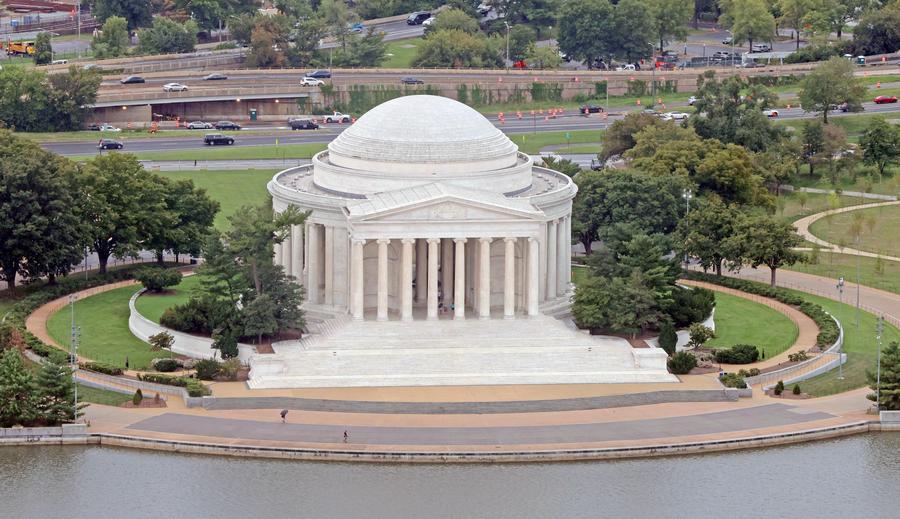
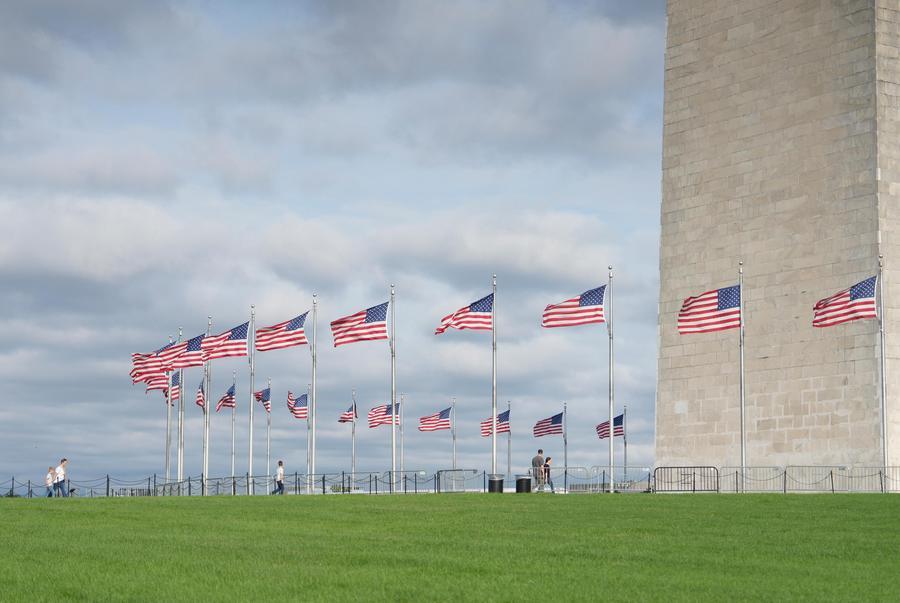
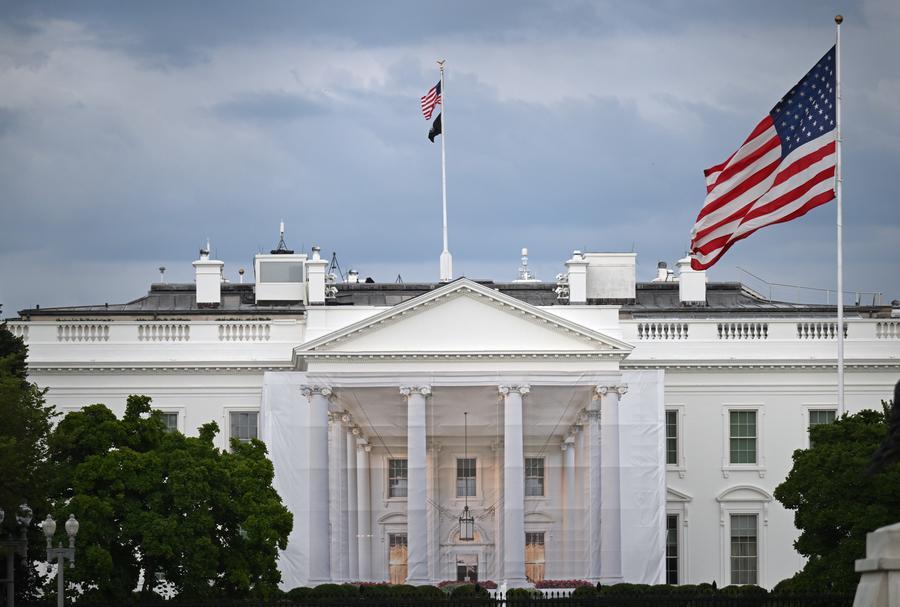
This photo taken with a mobile phone shows people attending a half marathon running past the Washington Monument in Washington, D.C., the United States, Sept. 20, 2026. (Xinhua/Li Xiang)This photo taken with a mobile phone shows a plane flying past a rainbow after rain in Washington, D.C., the United States, Sept. 21, 2026. (Xinhua/Wang Ye)This photo taken on Sept. 21, 2026 shows the White House and a city view in Washington, D.C., the United States. (Xinhua/Hao Zhao)This photo taken on Sept. 21, 2026 shows a city view in Washington, D.C., the United States. (Xinhua/Hao Zhao)This photo taken on Sept. 19, 2026 shows a statue at the U.S. Marine Corps War Memorial in Arlington, Virginia, the United States. (Xinhua/Yin Bogu)This photo taken on Sept. 19, 2026 shows the Lincoln Memorial in Washington, D.C., the United States. (Xinhua/Bai Xueqi)This photo taken on Sept. 19, 2026 shows the White House in Washington, D.C., the United States. (Xinhua/Bai Xueqi)This photo taken with a mobile phone shows the Washington Monument in Washington, D.C., the United States, Sept. 20, 2026. (Xinhua/Li Xiang)Children have fun on a lawn in Washington, D.C., the United States, May 11, 2026. (Xinhua/Li Rui)This photo taken on Sept. 19, 2026 shows a city view in Washington, D.C., the United States. (Xinhua/Bai Xueqi)This photo taken with a mobile phone shows people visiting the U.S. Capitol building in Washington, D.C., the United States, Sept. 19, 2026. (Xinhua/Li Xiang)This photo taken with a mobile phone shows people visiting the Library of Congress in Washington, D.C., the United States, Sept. 19, 2026. (Xinhua/Wang Ye)This photo taken on Sept. 21, 2026 shows the U.S. Capitol building in Washington, D.C., the United States. (Xinhua/Hao Zhao)This photo taken with a mobile phone shows a man reading a newspaper at a garden in Washington, D.C., the United States, Sept. 19, 2026. (Xinhua/Wang Ye)This photo taken on Sept. 21, 2026 shows the Thomas Jefferson Memorial in Washington, D.C., the United States. (Xinhua/Lu Ye)People tour near the Washington Monument in Washington, D.C., the United States, Sept. 21, 2026. (Xinhua/Li Yan)■
WASHINGTON, Sept. 22 (Xinhua) — “When we sent the letter, it honestly felt like a shot in the dark,” said Kiana Haywood, a senior student at Central Michigan University. “I didn’t know if President Xi would actually read it, let alone take the time to respond to us.”
Haywood was among nearly 100 students from 10 U.S. universities who recently wrote to Chinese President Xi Jinping after participating in the Future Makers 2026 China-U.S. Youth Tour for a Shared Asia-Pacific Future and other exchange events in China.
And a reply did arrive on the eve of Xi’s state visit to the United States.
In his letter, Xi welcomed the students’ appreciation for Chinese civilization, their hope for friendly cooperation between China and the United States, and their willingness to act as envoys of friendship bridging the Pacific Ocean.
Noting that young people from both countries share the same planet Earth and jointly shoulder the mission of the times, Xi urged them to advance China-U.S. friendly cooperation, foster mutual understanding and affinity between the two peoples, and contribute the vitality of youth to building a better world.
Xi has long maintained correspondence with American friends — from Iowa acquaintances he first met in 1985 to veterans of the historic Flying Tigers who fought alongside China in World War II.
The exchange of letters also extends to a younger generation, as Xi replied in February, 2024 to students from Muscatine High School who had previously visited China and sent them Chinese New Year cards.
This growing connection is rooted in Xi’s consistent championing of youth exchanges as a vital bridge between the two nations.
During his 2023 trip to San Francisco for the Asia-Pacific Economic Cooperation Economic Leaders’ Meeting, Xi announced an initiative to invite 50,000 young Americans to China for exchange and study programs over the next five years. By May this year, that goal had been reached two and a half years ahead of schedule.
“There are obviously much bigger conversations happening between our two countries,” Haywood said, but the exchanges gave the students “the opportunity to meet each other, ask questions and actually experience one another’s cultures instead of only hearing about them from far away.”
Xi’s reply letter reminded her that “relationships between countries are also built through relationships between people,” she said.
Reflecting on her trip, she noted that while China’s long history, rich culture and advanced technology have impressed her greatly, “the people left the biggest impression.”
“We could ask each other questions, laugh together and realize how much we have in common,” she said.
“I want to keep the friendships I made in China, share my experience with other students at Central Michigan University,” she said, expressing hope that more U.S. students will have opportunities to visit China so that the personal connections will give them a “completely different perspective.”
Similarly, Marlon Forrester, an associate in Harvard’s Faculty of Arts and Sciences, also participated in the 2026 China-U.S. Youth Tour. He noted that true affinity requires proximity.
“Mutual understanding and affinity between two people can only happen when we share space together,” Forrester said, adding that participating students will become “ambassadors for this work through the direct partnerships with institutional and privately funded sources that can benefit their exploratory research in policy, science, humanities and the arts with our peers across the Pacific Ocean.”
“As young people from different countries sharing the same planet, they have a responsibility to respect cultural differences, promote understanding, and work together to address global challenges,” he said.
“Their mission is to use creativity, innovation, and collaboration to create a more just, sustainable and peaceful world. By learning from one another, caring for the environment, and contributing positively to their communities, they can help build a future that benefits people across borders and generations,” Forrester said.
For Haywood, living out that grand mission can start with something small.
“To me, being an ‘envoy of friendship’ can start with something as simple as listening to each other and being willing to learn,” she said. ■
This photo taken on Aug. 17, 2026 shows the White House in Washington, D.C., the United States. (Xinhua/Li Rui)
BEIJING, Sept. 23 (Xinhua) — China-U.S. relations are once again approaching a pivotal moment that has drawn keen global attention, as Chinese President Xi Jinping travels to the United States at the invitation of U.S. President Donald Trump.
Xi’s state visit comes just months after Trump’s China trip in May. The exchange of visits between the two heads of state within six months is of historic and milestone significance.
It would be unrealistic to expect a single meeting to resolve all the problems in China-U.S. relations, but the upcoming Xi-Trump summit itself is a key step forward, providing both sides with a crucial opportunity to make 2026 a historic year that opens a new chapter in China-U.S. relations.
During their last meeting in May, the two heads of state agreed to build a constructive China-U.S. relationship of strategic stability. The consensus charts a clear course for bilateral ties at a time when the two major countries in the world are seeking a right way for them to get along.
This time, the two sides can build on that vital mutual understanding and steer the giant ship of China-U.S. ties toward a steady course in the years ahead.
Despite Washington’s protectionist trade policy against China in recent years, economic and trade cooperation remains a major pillar for the development of the relationship between the world’s top two economies.
A Tesla Cybercab is seen at the booth of Tesla at the Automobile and Smart Mobility exhibition area of the eighth China International Import Expo (CIIE) in east China’s Shanghai, Nov. 8, 2025. (Xinhua/Cai Xiangxin)
At present, more than 7,000 Chinese enterprises operate in the United States, and U.S. companies have established more than 84,000 enterprises in China. Two-way trade and investment have provided strong support for millions of jobs in the United States.
Even as some U.S. politicians clamor for “decoupling from China,” a survey of its members conducted this year by the U.S.-China Business Council found that 95 percent of U.S. respondents described their China operations as “somewhat to very important” to maintaining global competitiveness. The presence of prominent business leaders in Trump’s delegation on his May trip to China likewise spoke volumes about their eagerness to seize the opportunities created by China’s development.
Differences and frictions are inevitable between two major economies, but they can be addressed through consultations on an equal footing. Since 2025, China and the United States have held multiple rounds of economic and trade talks. Through dialogue based on equality, mutual respect and mutual benefit, the two sides have made progress in stabilizing economic and trade relations.
The lesson is hard to ignore: both sides have far more to gain by looking at the bigger picture and keeping their long-term interests in view. Turning trade and economic ties into instruments of political or security maneuvering does not make either side safer or stronger; it merely fractures supply chains, distorts markets and ultimately drives up costs for businesses and consumers.
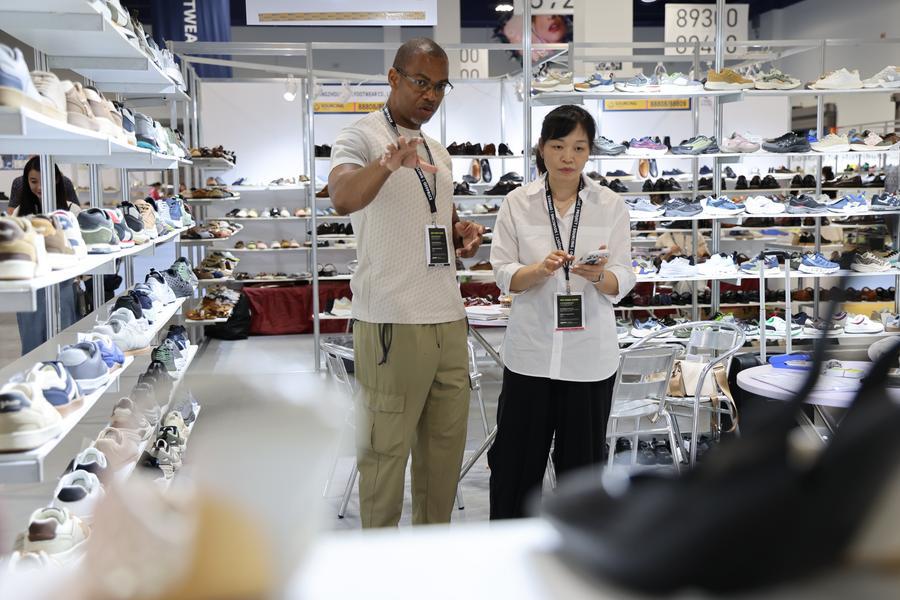
A visitor (L) looks at products at a Chinese company’s booth during MAGIC, a major U.S. trade show for apparel, footwear and accessories, in Las Vegas, the United States, Aug. 10, 2026. (Photo by Zeng Hui/Xinhua)
Moreover, keeping dialogue open and expanding practical cooperation, by contrast, can provide greater certainty for the two economies and the wider global community.
A more stable China-U.S. relationship does not mean the absence of competition. When competition does happen, it must be a healthy one where both sides learn from each other, pursue excellence together, and compete fairly in compliance with rules.
Apart from managing their competition, Washington needs to join Beijing in adhering to another fundamental principle to prevent the giant ship of China-U.S. relations from capsizing: respecting each other’s core interests and major concerns, particularly the Taiwan question, the most important issue in China-U.S. relations.
Safeguarding peace and stability across the Taiwan Strait is the biggest common denominator between China and the United States. If the Taiwan question is handled properly, the bilateral relationship will enjoy overall stability. Otherwise, the two countries will have clashes and even conflicts, putting the entire relationship in great jeopardy.
Washington must match its stated commitment to the one-China policy with concrete actions, and respect Beijing’s four red lines concerning the Taiwan question, democracy and human rights, China’s path and system, and China’s development right.
China, as it pursues national rejuvenation, will never seek hegemony, nor will it give up its legitimate rights and interests. No one should expect China to accept outcomes that come at the expense of its own interests.
A stable China-U.S. relationship also rests on strong ties between the two peoples. It underscores the need for stronger people-to-people exchanges between the two countries.
Fans of Chinese video game “Black Myth: Wukong” pose for a photo in downtown Los Angeles, California, the United States on July 7, 2026. (Photo by Zeng Hui/Xinhua)
In 2023 in San Francisco, Xi proposed inviting 50,000 young Americans to China over five years for exchange and study. The target has been reached this year ahead of schedule.
The recent reunion in China of retired American teacher Ronald Sakolsky and his Chinese friend Yin Yuzhen rekindled their friendship and renewed a shared commitment to planting trees and combating desertification. This is just one of countless examples showing that friendship and cooperation between China and the United States remain the shared aspiration of the two peoples.
Looking back, the history of China-U.S. relations is replete with examples of the two countries working together in the face of common challenges.
From jointly fighting terrorism, responding to the global financial crisis, combating Ebola to addressing climate change, China and the United States have repeatedly shown that coordination and cooperation between the two countries can serve both their own interests and those of the wider world.
For China and the United States, keeping the world’s most important bilateral relationship on a steady course is more about themselves: it is about whether the two major countries can work together to bring greater stability and hope to a turbulent world. ■
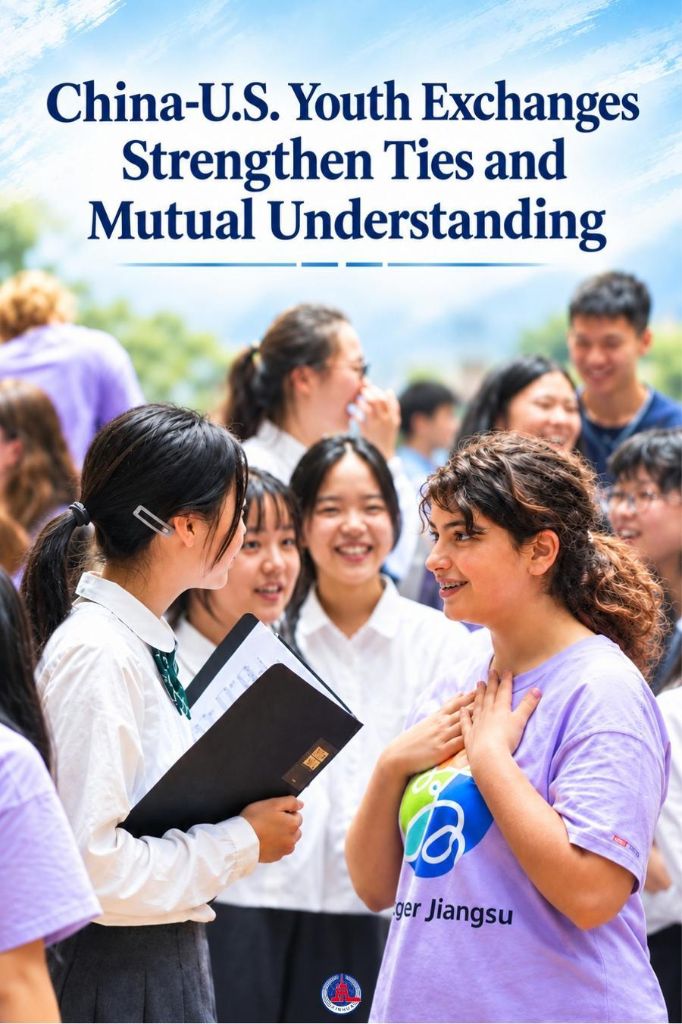
BEIJING, Sept. 22 (Xinhua) — The story of China-U.S. friendship is written by the people, and the future of China-U.S. relations is shaped by the youth.
In late 2023, China announced a program to invite 50,000 American youths to China in the next five years for exchanges and study.
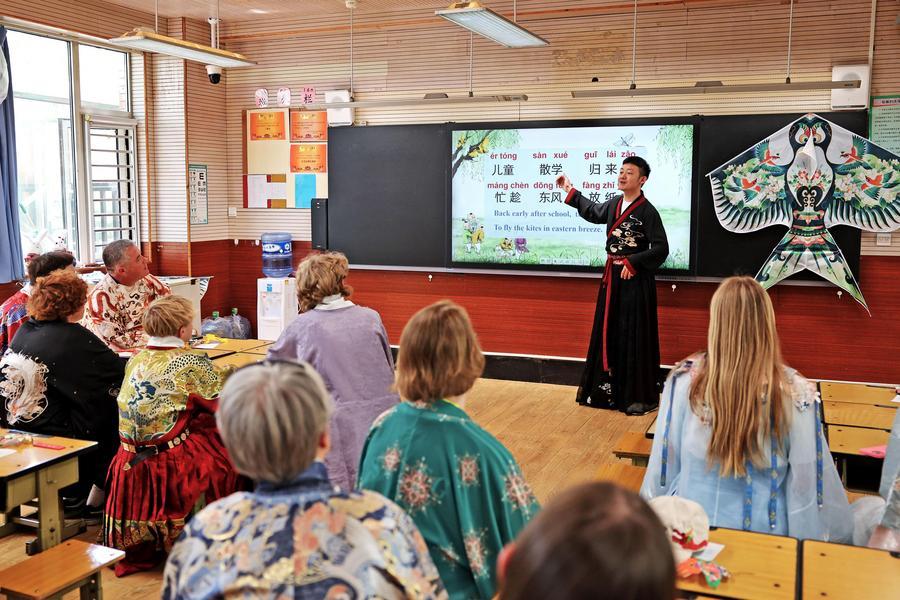
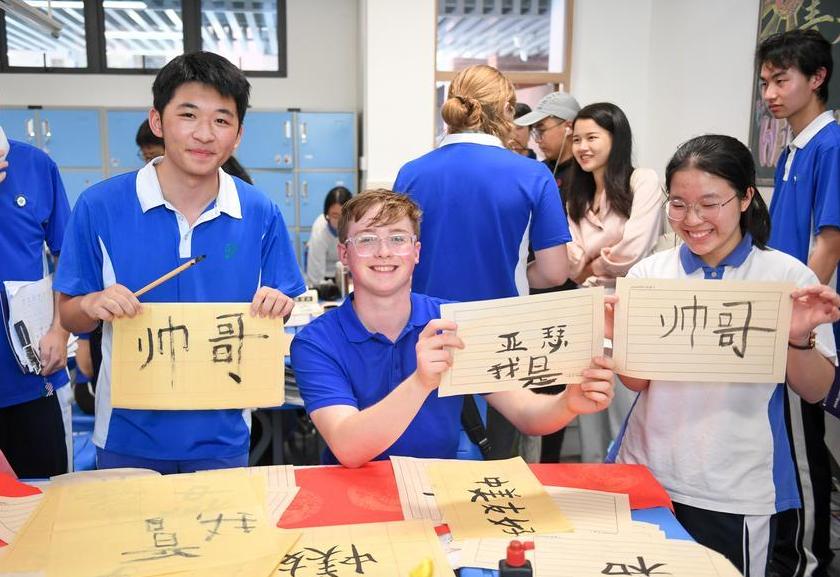
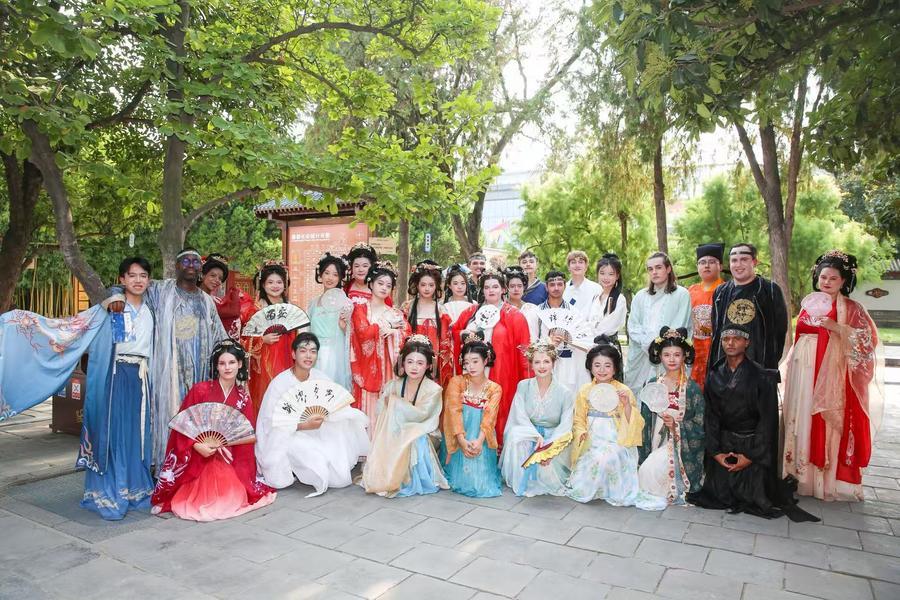
Over the past three years, China has hosted more than 50,000 young Americans for exchanges and study visits, hitting the five-year target set in 2023. The U.S. young visitors, from the country’s 50 states and Washington, D.C., reached across China’s 31 provincial-level regions as well as Hong Kong and Macao special administrative regions. They participated in activities as diverse as learning languages, summer and winter camps, sports competitions, and academic studies for credits or degrees.
The exchanges bridged information gaps, strengthened goodwill and contributed to stable, healthy and sustainable bilateral ties.
Via interactions, young people from both countries have reached out to one another, deepened mutual understanding and built lasting friendships, opening a new chapter in people-to-people exchanges between China and the United States.
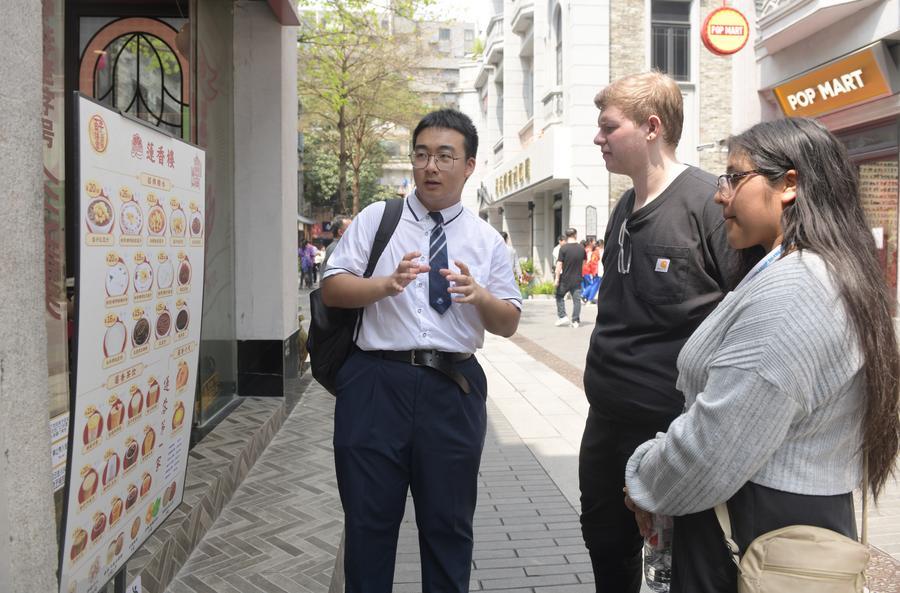
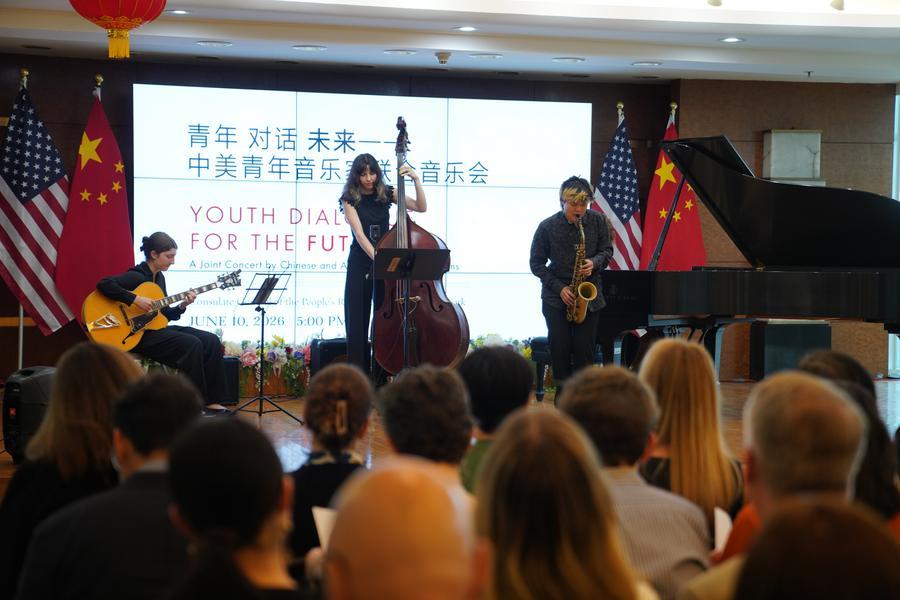
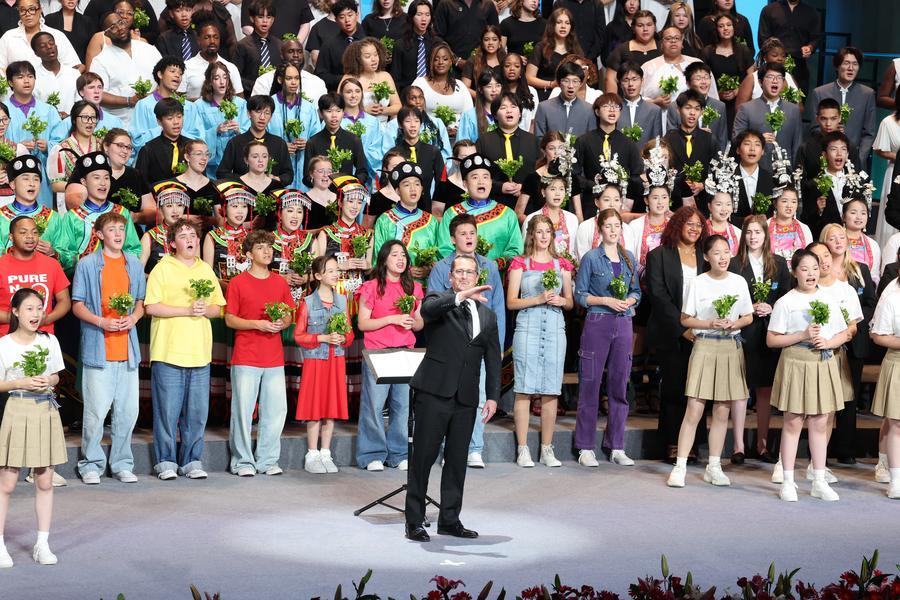
Students from the United States learn Chinese ancient poems at a school in Shijiazhuang, north China’s Hebei Province, April 11, 2026. (Xinhua/Lu Ye)An American student from U.S. state Iowa experiences Qixi traditions during a cultural event at Shijiazhuang Foreign Language School in Shijiazhuang, north China’s Hebei Province, Aug. 10, 2024. (Xinhua/Wang Xiao)Members of a delegation of high school students from the U.S. state of Washington experience China’s school life at Shenzhen Nanshan Foreign Language Senior High School in Shenzhen, south China’s Guangdong Province, March 25, 2024. (Xinhua/Mao Siqian)Members of a delegation of high school students from the U.S. state of Washington experience Chinese calligraphy at Shenzhen Nanshan Foreign Language Senior High School in Shenzhen, south China’s Guangdong Province, March 25, 2024. (Xinhua/Mao Siqian)Chinese and American youth in traditional Chinese costumes, taking part in the “Across the Pacific: China-U.S. Youth Dialogue for a Shared Future” exchange program, pose for a group photo in Xi’an, northwest China’s Shaanxi Province, July 14, 2025. (China International Communications Group Center for the Americas/Handout via Xinhua)A Chinese student introduces Cantonese food to members of a delegation of high school students from the U.S. state of Washington at Yongqingfang in Guangzhou, south China’s Guangdong Province, March 24, 2024. (Xinhua/Lu Hanxin)A member of the Whiffenpoofs a cappella choir of Yale University and a member of a local choir sing together at Zhaoxing Dong Village of Liping County, southwest China’s Guizhou Province, March 23, 2026. (Xinhua/Yang Wenbin)Chinese and American young musicians perform during a joint concert themed “Youth Dialogue for the Future” in New York, the United States, on June 10, 2026. (Xinhua/Zhang Fengguo)Teenagers from China and the United States sing during a closing performance of Bond with Kuliang: 2025 China-U.S. Youth Choir Festival in Beijing, capital of China, July 16, 2025. (Xinhua/Lu Ye)
“I just really hope that there’s going to be more opportunities for dialogue, more opportunities for visits both ways,” said Timothy Stephens, an American doctor who left his Boston practice to support primary care in south China’s Hainan. #GLOBALink
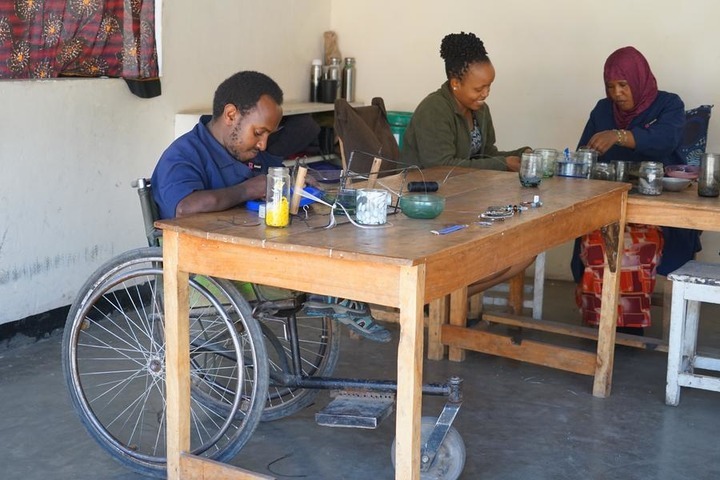
The initiative, organized under the Jetour Africa Expedition 2026, purchased many handicrafts from Shanga, a social enterprise in the northern Tanzanian city of Arusha. Shanga creates employment and skills-development opportunities for people with disabilities through handicraft production.
DAR ES SALAAM, Sept. 18 (Xinhua) — Chinese automaker Jetour has extended its support to Tanzanian artisans with disabilities through a sustainable charity initiative organized in Arusha, Tanzania on Thursday.
The initiative, organized under the Jetour Africa Expedition 2026, purchased many handicrafts from Shanga, a social enterprise in the northern Tanzanian city of Arusha. Shanga creates employment and skills-development opportunities for people with disabilities through handicraft production.
Yuan Anguo, vice president of Jetour International, said that rather than relying solely on charitable donations, Jetour purchased handicrafts made by Shanga artisans to support sustainable value creation while promoting dignity and empowerment.
“Throughout the tour, we focus on the real needs of each local community,” Yuan said, adding that the company aims to give back to communities along the route through meaningful social initiatives.
Zain Pirbhai, vice chairman of the Africarriers Group, Jetour’s local partner, said that as its business grows in Tanzania, Jetour is deepening connections with the local market and communities by creating employment and contributing to community welfare.
Hazel Gumpo, general manager of Shanga by Elewana, expressed gratitude for the support from the Chinese automaker. She said purchasing Shanga products creates sustainable economic activity, enabling artisans to earn income through their skills and participate more broadly in the economy.
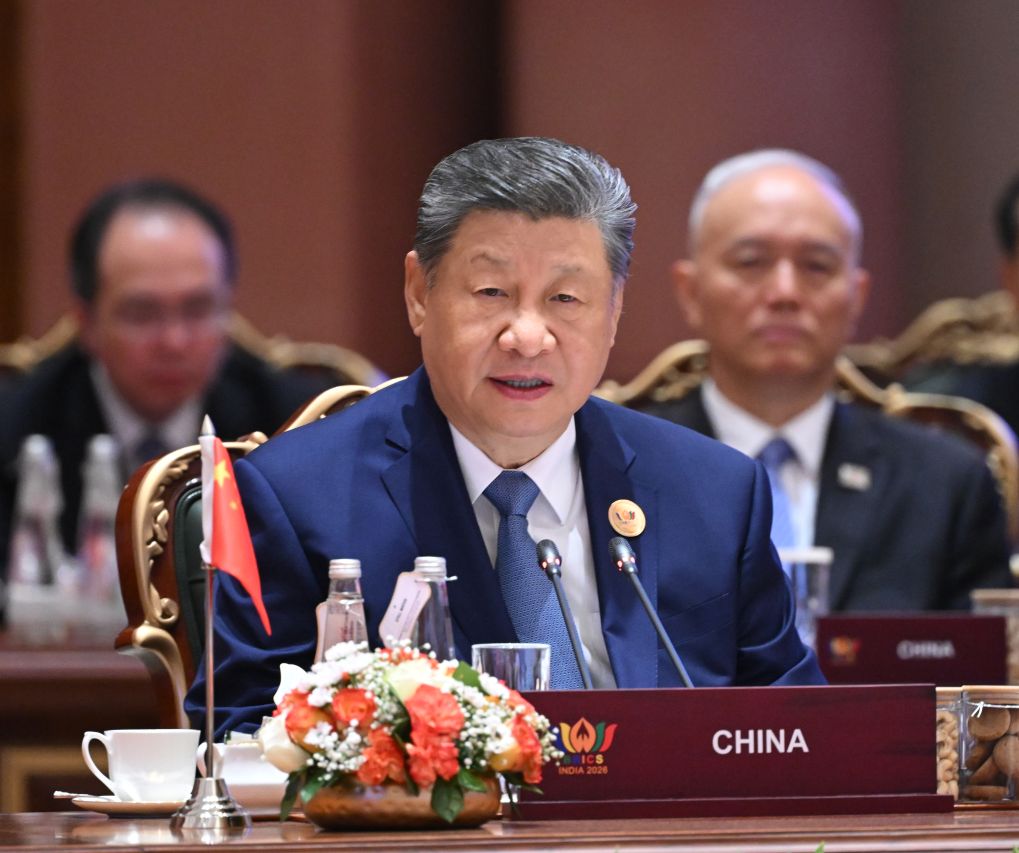
Chinese President Xi Jinping addresses the Session I of the 18th BRICS Summit in New Delhi, India, Sept. 12, 2026. (Xinhua/Yan Yan)
NEW DELHI, Sept. 13 (Xinhua) — Chinese President Xi Jinping on Saturday delivered a speech at the 18th BRICS Summit in New Delhi, India.
The following is the full text of the speech:
Jointly Shouldering the Responsibility of the Times and Striving to Be a Pioneering Force
Statement by H.E. Xi Jinping
President of the People’s Republic of China
At Session I of the 18th BRICS Summit
New Delhi, September 12, 2026
Your Excellency Prime Minister Narendra Modi,
Colleagues,
It gives me great pleasure to join you in New Delhi. I thank Prime Minister Modi and the Indian government for the thoughtful arrangements.
This year marks the 20th anniversary of BRICS cooperation. Over the past two decades, BRICS has been growing with strong vigor and vitality, and become the most influential cooperation platform in today’s world for emerging markets and developing countries.
These are 20 years of self-reliance and self-strengthening. Standing at the forefront of the Global South, we BRICS countries have upheld independence, actively explored development paths suited to our respective national conditions, and set a fine example of emerging markets and developing countries seeking strength through unity.
These are 20 years of standing together through wind and rain. BRICS countries have been forging ahead with an undaunted spirit. Hand in hand we tackled the global financial crisis, COVID pandemic, climate change and other challenges, and we resolutely defended the common interests of the Global South, providing the world with stability and positive energy.
These are 20 years of fruitful outcomes. BRICS has realized a historic expansion, and now has a comprehensive, multifaceted cooperation structure with ever deepening cooperation in trade, investment, finance and technology, among others. It has entered a new stage of high-quality development of greater BRICS cooperation.
Today, changes unseen in a century are accelerating across the world. The Global South is gaining strength, and the trend toward a multipolar world is unstoppable. At the same time, unilateralism and power politics are surging against the tide, lashing at multilateralism and the international order. The deficits in peace, development, security and governance keep growing. For the exact purpose of addressing these deficits and building a better world, I have put forward the Global Development Initiative, the Global Security Initiative, the Global Civilization Initiative and the Global Governance Initiative. BRICS must stand firmly on the right side of history, strive to be a pioneer of our times, steer the international order in a direction that is more just and equitable, and work together to build a community with a shared future for humanity.
First, BRICS should be a pioneer in advancing innovation-driven development. The new round of scientific and technological revolution and industrial transformation represented by AI is bringing breakthroughs at a faster pace, shaping the global development landscape. We BRICS countries must keep the initiative firmly in our hands, strengthen cooperation in the field of AI, encourage open source, openness, collaboration and sharing, and break new grounds and scale new heights in our practical cooperation. Not long ago, China, together with various parties, initiated the World AI Cooperation Organization, and has developed international AI application cooperation centers with BRICS and others, which provide important platforms for closer AI cooperation for the world, particularly Global South countries. We welcome the active participation of BRICS countries. Here, I propose the BRICS initiative of AI-empowered new industrialization. China hopes to work with all parties for more outcomes in R&D and application and deeper cooperation in industrial and supply chains. Facts will prove that decoupling and cutting off supply chains will not hold back our development process, and espousing “small yard, high fences” will only box oneself in and divide the world.
Second, BRICS should be a pioneer in upholding peace and stability. Far from being tranquil, the world today is increasingly fluid and turbulent. This is fundamentally because the postwar international order is being undermined, and the purposes and principles of the U.N. Charter are not effectively observed. BRICS should stand firm, uphold justice, and strive to put an end to conflicts and defend peace. We should act on the vision of common, comprehensive, cooperative and sustainable security, oppose the Cold War mentality and bloc confrontation, and oppose violation of other countries’ sovereignty or interference in other countries’ internal affairs. We should participate constructively in the settlement of hotspot issues, and make BRICS’ unique contribution to addressing both the symptoms and root causes.
The situation in the Middle East remains complex and fluid. This war has inflicted serious losses on the people of all countries in the region, and it is against the common interests of the international community. I have set out four propositions on safeguarding and promoting peace and stability in the Middle East, which are aimed at de-escalation, ending hostilities and promoting peace. The relevant parties should keep to the direction of political settlement, and work for a permanent, comprehensive ceasefire. Attention should be paid to addressing the problems at the source, rebuilding trust between regional countries, and establishing a new security architecture. The Palestinian question is always at the core of the Middle East issue, and the fundamental way forward is to implement the two-state solution and realize peaceful coexistence between Palestine and Israel. China will work with fellow BRICS members to play a due role in bringing peace and tranquility to the Middle East.
Third, BRICS should be a pioneer in facilitating mutual learning between civilizations. As a Chinese adage goes, the beauty of a delicious soup lies in the blending of different flavors. With our time-honored and diverse cultures, BRICS should be a garden of inclusive coexistence that allows various civilizations to flourish. We should promote the common values of humanity, and advocate exchange, mutual learning and harmonious coexistence between civilizations. We should hold the BRICS People-to-People Exchange Forum to share experience on national governance and build up positive energy for stable state-to-state relations. We should deepen cooperation in culture, tourism and education, step up exchanges between our youths, and facilitate mutual visits between the people to increase mutual understanding and amity.
Fourth, BRICS should be a pioneer in reforming and improving global governance. What kind of global governance system to build will determine the future of humanity. BRICS should align with the trend toward greater democracy in international relations, work toward a more just and equitable global governance system, uphold the authority of the U.N., and oppose withdrawal from international organizations and treaties or creating rival systems. We should support the multilateral trading system with the World Trade Organization at its core, advance WTO reform, oppose abuse of tariffs, and reject all forms of protectionist measures. We should steer global governance in frontier domains such as cyberspace, outer space and deep sea, and increase the voice of Global South countries.
Colleagues,
During our arduous journey of 20 years, solidarity and cooperation have always been the source of strength for the cause of BRICS. We should continue treating each other with candor and sincerity, and seeking common ground while shelving differences. We should respect each other’s core concerns, and commit ourselves to communication and dialogue to increase mutual understanding and properly handle disagreements, so that BRICS cooperation will continue to advance steadily.
China will take over the BRICS chairship next year, and host the 19th BRICS Summit. The Chinese side will seize the opportunity to build consensus and work with all parties to plan for the future. Together, we will usher in the third golden decade of BRICS cooperation, and open up a bright prospect of shared prosperity and progress.
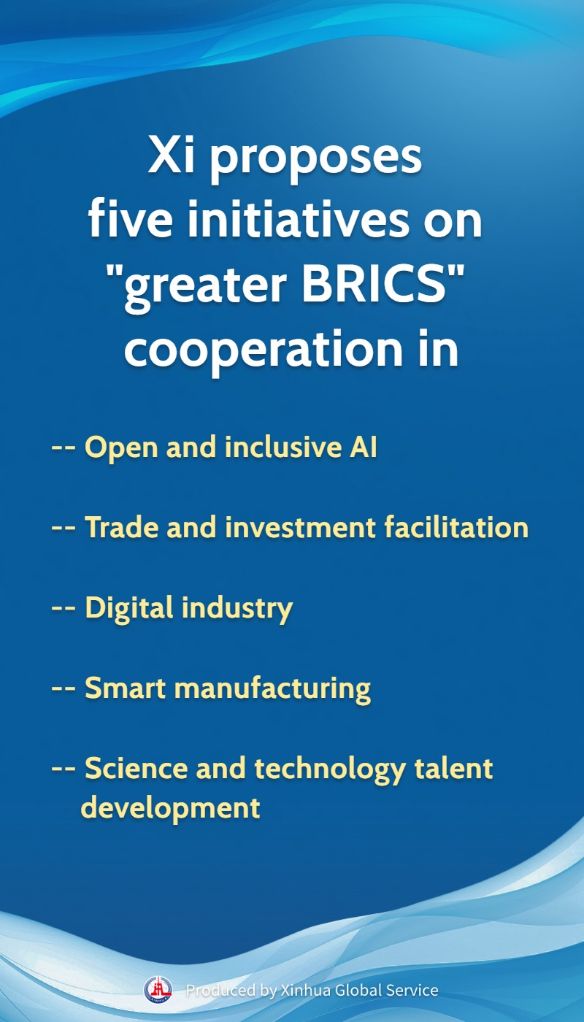
Chinese President Xi Jinping on Sunday proposed five initiatives on “greater BRICS” cooperation when attending the second day of BRICS summit in New Delhi.