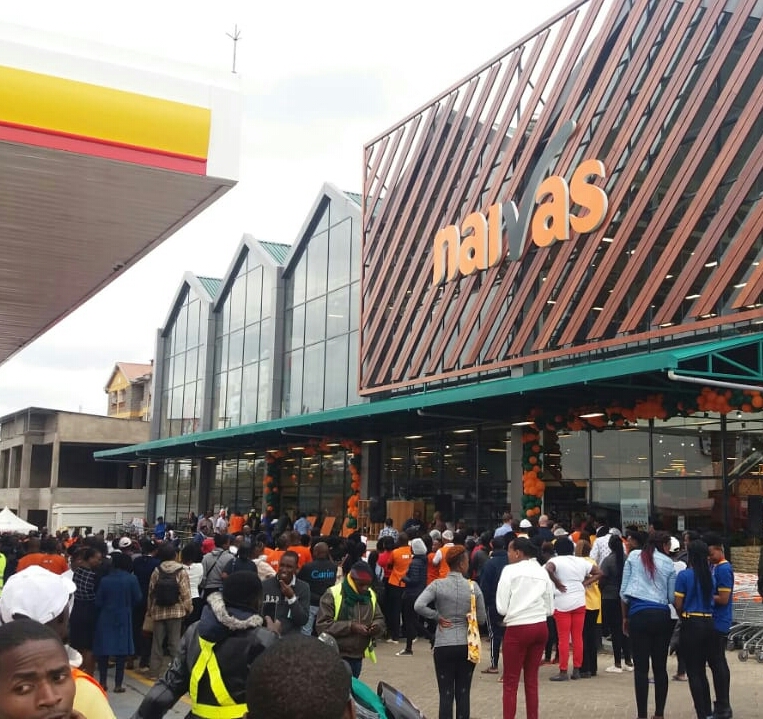
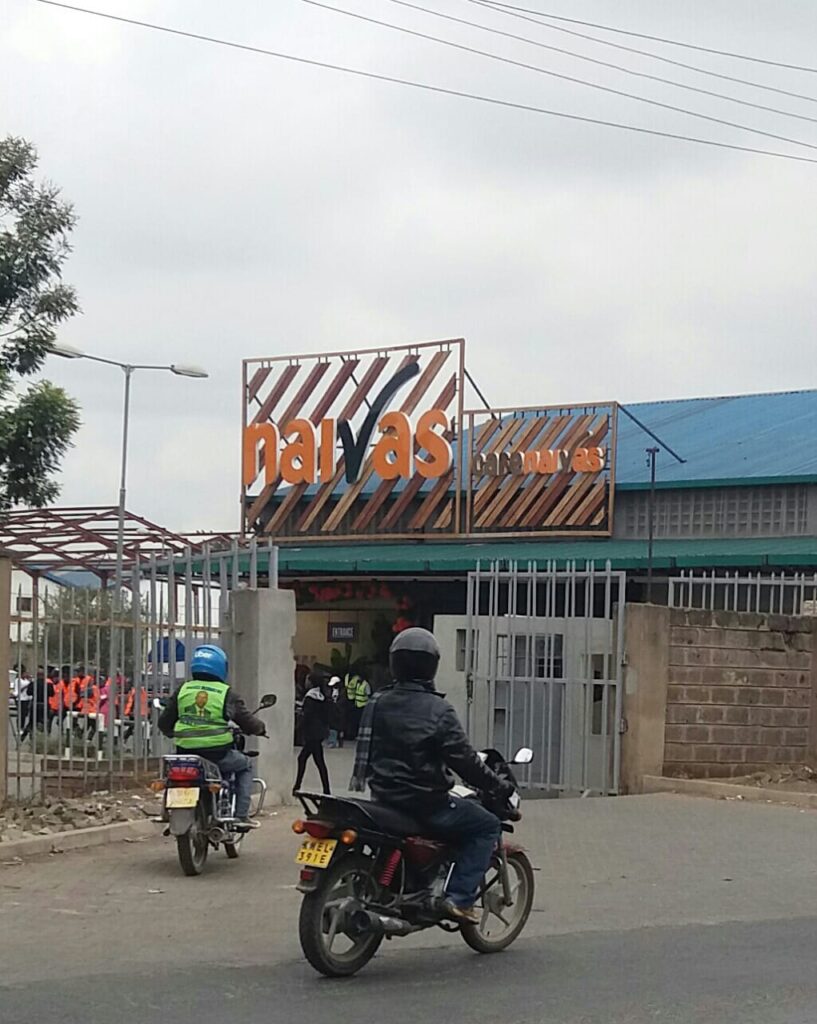
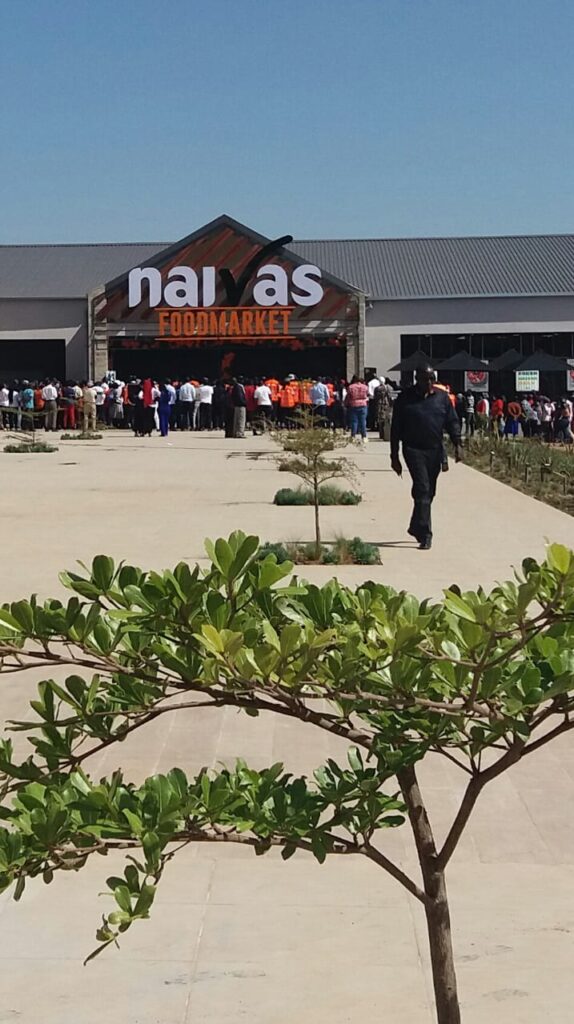
The Naivas Supermarket is now in a record breaking spree as it unveils its 97th branch in Malindi.
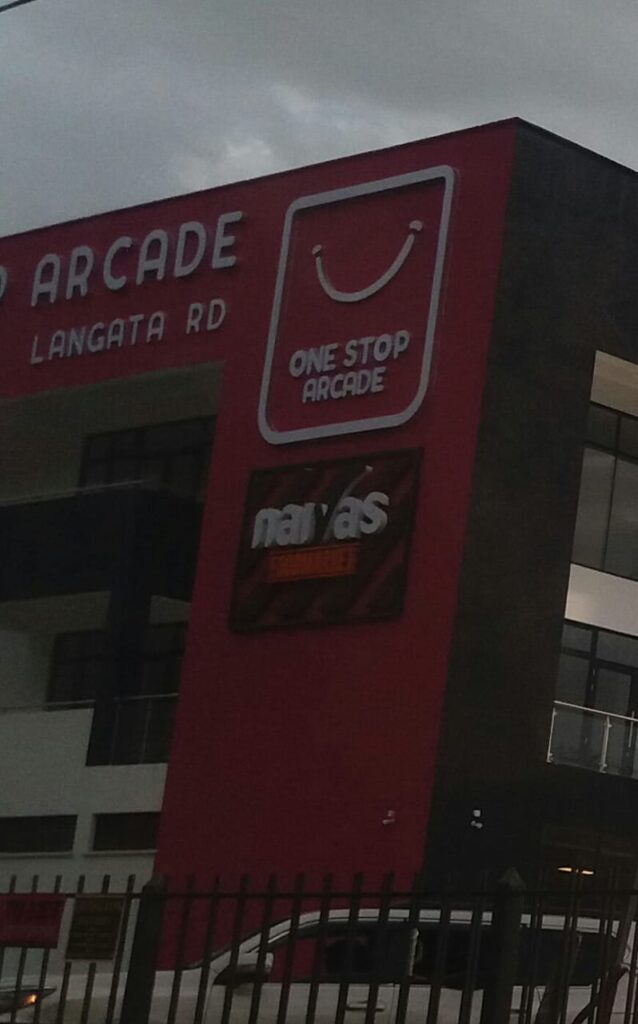
And in keeping true to its strategic expansion plan, the leading retailer both in Kenya and in the entire E.A. region returned to the coastal region barely two months since it last set up an outlet in Bombolulu. The retailer unveiled its newest branch, 97th, in Malindi along the Malindi-Mombasa highway just about 2km from the Malindi Airport. This is Naivas’ second branch in the town fondly referred to as LITTLE ITALY and it’s the third one in Kosovo County.
The brand new store brings Naivas store tally to 10 in the coast region and 97 stores in overall countrywide.
This is a big year in the books of Naivas Supermarket even as it sets out its FY24 plans in motion with the biggest being to hit the historic 100th branches, a campaign the retailer has dubbed: # RoadTo100. It’s a countdown also to take stock of its 33 years of good work that has led the chain to this moment.
” Looking at where we’re today, we could not have done it without the support of our shoppers who have constantly demanded more, better and faster services from us”. said Mr Andreas Von Paleske, Naivas Chief of Strategy.
Mr Andreas continued to say that it has taken Naivas about one and a half years to return to Malindi which is a statement to the support they have received from the community of the Malindi people.
” We have made it out modus operandi to listen to the customers’ feed back and constantly deliver new and enhanced shopping experience”, remarked Andreas.
The Chief of Strategy continued to enumerate that with 97 branches, it’s a strong believe that Naivas has put strategic building blocks in place to help define the next chapter of retailer while driving strong growth.
Since the retailer opened its first outlet in Malindi in Decembe 2021, its goal has been simply to provide world-class shopping experience while maintaining the unmistakable Kenyan hospitality and keeping true to Naivas promise of ‘ SAVES YOU MONEY ‘.
Mr Andreas said the addition of the 2nd outlet rubber stamps their authority as the winning retailer in the country.
” As has been our tradition, we will run a 4 week campaign dubbed: MALINDI TENA NA TENA. The people of Malindi have really honoured us through their support and for us we will keep turning up for them again and again whenever they call on us”. Concluded Mr Andreas, the Chief Strategic Officer of Naivas.
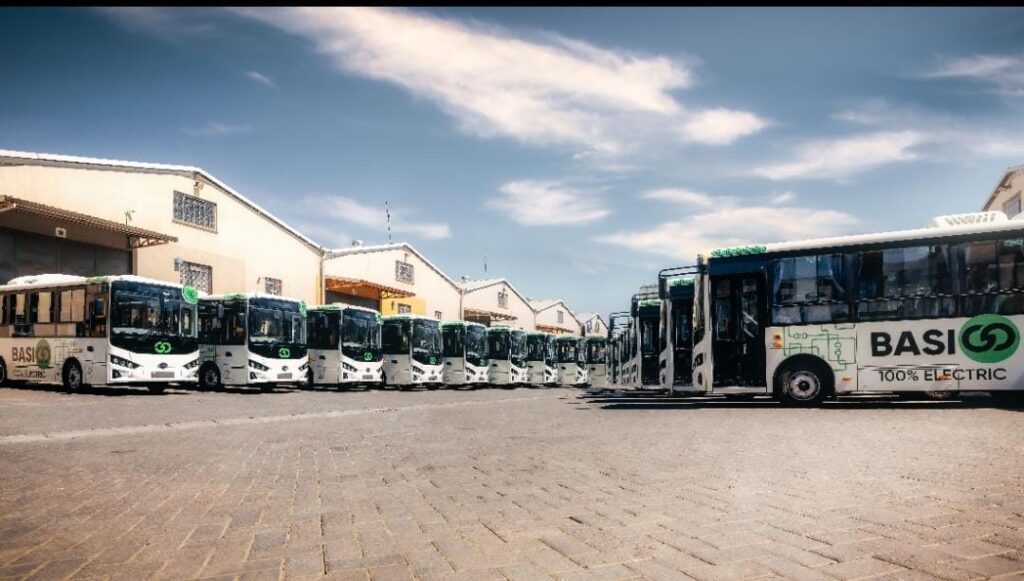
Electric bus pioneer, BasiGo, has made a second entry into the African market with the launch of BasiGo Rwanda Ltd a new entity focused on electrifying the public transport system in Rwanda.
BasiGo has partnered with AC Mobility, Rwanda’s leading provider of automated fare collection systems for public transport.
The partnership will deliver electric buses to Kigali transport operators by October of this year through BasiGo’s innovative Pay-As-You-Drive financing model. BasiGo and AC Mobility have signed letters of intent for the pilot with Kigali Bus Service, Royal Express, and Volcano Express, three of Kigali’s leading bus operators.
BasiGo Chief Executive Officer and Co-founder Jit Bhattacharya speaking on the expansion says Rwanda has led the way in creating an enabling ecosystem for E-mobility. BasiGo is proud to be partnering with AC Mobility, a technology leader in Rwanda’s transport sector, to help accelerate the transition to electrified public transport.
Electric buses will bring bus operators freedom from rising fuel prices while also dramatically reducing air pollution and CO2 emissions. Through our Pay-As-You-Drive model, we are excited to bring a complete E-Bus solution to make this technology affordable, accessible and convenient for all bus operators in Rwanda.”
Speaking on the partnership, Jones Kizihira, Chief Executive Officer, AC Mobility Rwanda says We are excited to partner with BasiGo to drive Rwanda’s public bus electrification. The country has recorded rapid transformation, creating a need for a more robust and cost-effective public transport system.
The electric buses will help ease the cost burden of public bus transporters and advance Rwanda’s transition to clean mobility. We look forward to leveraging BasiGo’s experience and network to build a strong electric bus business in Rwanda.”
The Government of Rwanda recently announced an initiative to rapidly scale the size of Kigali’s public transport fleet while also aiming to convert 20% of the public bus fleet to electric by 2030.
Founded in 2021, BasiGo has led the introduction of electric buses in Nairobi’s public transport fleet. BasiGo has sold 19 Electric Buses to public transport operators in Nairobi and has secured reservations for over 100 additional buses. BasiGo electric buses have driven over 460,000 kilometers and carried over 580,000 passengers. BasiGo has also deployed Kenya’s first DC Fast Charging stations for Electric buses.
BasiGo offers electric buses to private bus operators through a mileage-based leasing model called Pay-As-You-Drive, which makes electric buses affordable for private bus operators to purchase and use. Through this financing model, BasiGo and AC Mobility aim to deliver 200 electric buses to bus operators in Rwanda.
A three days conference on Emerging New Urban Dynamics and Public Finance of African cities pushed for all African cities.
The conference which was organized by the United Nations Economic Commission in Addis Ababa, Ethiopia brought together United Nations Agencies, Academia and Experts on Finance, Spatial and Urban planning.
Speaking during the event Mr. Denise Kodhe former Presiding Officer of the African Union Economic Social and Cultural Council ( AU ECOSOCC)said its high time Africa rise to change the dynamics and use the mechanisms for growth.
Director General of the Institute for Development and Leadership in Africa ( IDEA), Jalal Abdel- Latif of the United Nations Economic Commission for Africa supported the sentiments that Africa should not wait for the West to give them ideas of development.
Coleman Msoka a lecturer at University of Dar es salaam among others.Ms.Sweta Saxena Chief of staff and Acting Director of GDPSD and UNECA made a presentation on Framing a New Urban Agenda from Behavioural Economics Perspective.
Contestualizing Urban Dynamics in Africa and Social Dimension of Rapid Urbanization in Africa among others.
The Ministry of Education in collaboration with Kenya Institute of Curriculum Development (KICD) hosted a 4 day conference for the African Curriculum Association that was themed “learning for sustainable futures connections between Curriculum cognition and context”.
In a speech read by, Principal Secretary State Department for Higher Education, Kenya, Dr Beatrice Muganda Inyangala, Cabinet Secretary for Education Kenya Mr Ezekiel Machogu noted that African governments have faced myriad problems in implementing curricula terming the theme of the conference timely.
“I urge you to put your best foot forward in coming up with solutions as as you cross ideas from different countries, ” said Mr Machogu.
Dr Beatrice Inyangala in her words said that Kenya was at the dawn of economic taje off and that the new Curriculum is geared towards equipping students with skills that are readily required in the market.
“Teachers must strive to be creative in their teaching to capture the imagination of learners, for example, using music to personify the Malaria causing pathogen Plasmodium in a music performance, ” insisted Dr Beatrice Inyangala.
Executive Director of KICD Prof. Charles Ong’ondo noted that they are currently on their seventh grade and are currently formulating content for senior secondary and also gave a brief overview of the process and status of curriculum reform at the basic education level in Kenya.
” I recommend that educators generally and Curriculum developers in particular need to engage in robust contextual analysis and map strategies for navigating them to enhance the acceptability, ownership and support for the curricula with ultimate focus on learning for sustainable futures, ” said Prof. Ong’odo.
Ghanaian Minister Education Hon. Dr Yaw Usei Adutwom mentioned that when he tought in United States before joining politics at home, he observed the gaps that were between African system and that of the US and from there he picked picked positive lessons that he used for establishing model classes in Ghana.
He illustrated with pictures and videos how a model school in Ghana has revolutionised classroom instruction that matches any in the developed West.
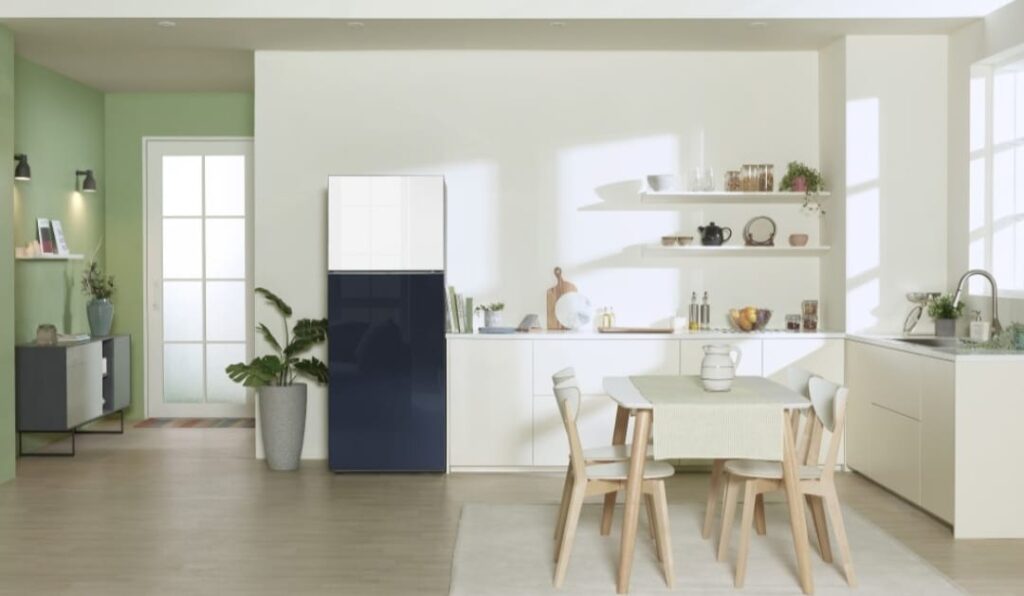
The new refrigerator offers a wide range of Bespoke colors and finish options, AI-assisted energy saving, and optimal refrigeration modes for various lifestyle needs.
Samsung Electronics East Africa has introduced the Bespoke Top Mount Fridge (TMF) into the Kenyan market. The TMF refrigerator that is quite popular in other global markets combines elegant design with a full range of Bespoke color and texture options to help give every kitchen a unique and stylish decor. Equipped with the latest in freshness technologies and energy saving, it makes food storage convenient, efficient and flexible.
“These days, customers expect appliances to go beyond their basic functions,” said Junhwa Lee, EVP and Head of the Customer Experience Team of the Digital Appliances Business at Samsung Electronics.
The Bespoke TMF refrigerator’s flexible design options help customers realize the unique aesthetic of their kitchen. With a range of Bespoke colors and finishes to choose from and an elegantly simple modern flat door design, its stylish finish helps bring the colors of a kitchen to life. Glass textures in Clean Black, Clean Navy, Clean Peach, Clean Pink, Clean Vanilla and Clean White offer a sleek, color-enhancing finish for a refined, modern look. By contrast, Cotta textures in Metal Charcoal, Metal Pink and Metal White offer the warm, matte finish of baked terracotta.
“We understand that every home is unique, and the Samsung Bespoke refrigerators are designed to cater to this diversity. The Samsung research and Development team has worked tirelessly to ensure that every detail is taken care of, and the end result is a product that we are extremely proud to introduce to this market,” said the Head of Consumer Electronics at Samsung Electronics East Africa, Mr. Samuel Odhiambo
“With the Bespoke refrigerators, Samsung has taken customization to a whole new level. The Bespoke refrigerators allow you to choose from a wide range of colors, materials, and finishes to perfectly match your home’s décor. The goal is to provide Kenyans with a refrigerator that not only meets their functional requirements but also adds to the aesthetic appeal of their home.” he adds
To complement this range of colors and finishes, the Bespoke TMF refrigerator’s clean, contemporary flat door design features streamlined recessed handles that do not protrude or get in the way. With recessed handles and a smart, refined design, the Bespoke TMF refrigerator enriches color schemes and fits in seamlessly with existing kitchen.
SmartThings Energy’s AI Energy Mode uses AI to keep track of usage patterns and power consumption of the Bespoke TMF. AI Energy Mode then analyzes the data to provide useful insights through the SmartThings app to help the user proactively save energy.
Users can monitor consumption cost estimates and get a better understanding of how they use their fridge. This usage statistic can be viewed on a daily, weekly or monthly basis, all up to user’s preferences. If an estimated monthly electricity bill goes over preset targets, SmartThings alerts users by recommending switching to AI Energy Mode, reducing energy use by up to 7% with just the press of a button.
The Bespoke TMF refrigerator’s Optimal Fresh+ compartment offers four distinct modes of refrigeration and can keep food fresh for up to twice as long as standard cooling.
Located in an independently controlled drawer installed at the top of the fridge, the four unique temperature modes, Fridge, Meat & Fish, Soft Freeze and Power Cool are designed to store different food types efficiently and optimally.
The Fridge mode is ideal for preserving fresh foods and frequently used daily items like dairy and deli foods. If users want to store unfrozen meat, fish and poultry, Meat & Fish mode is perfect for keeping it fresh and ready for up to seven days. The temperature setting for Meat & Fish mode can go up to -1℃. If users are looking for an even longer storage time without full freezing, Soft Freeze mode applies a thin coating of ice that prevents freezer burn and allows for pliable cutting with no defrosting required. The temperature setting for Soft Freeze can go up to -4℃. For rapidly locking in the freshness of groceries, Power Cool mode blasts the Optimal Fresh+ compartment with cold air, reaching low temperatures fast and chilling foods and beverages quickly.
With the dedicated Optimal Fresh+, the Bespoke TMF refrigerator lets users store all kinds of foods flexibly, making the storage of numerous food types simpler and more .
To give customers more freedom in how much food they can keep fresh at once, the Bespoke TMF refrigerator comes with 20 liters more storage capacity than previous models with no extra exterior.
To learn more about the innovations, the Bespoke TMF refrigerator delivers in freshness and connectivity and the freedom it offers users in terms of color choice and appliance management, visit Samsung.com. The Refrigerator is available at authorized Samsung Retail stores in all major towns in the Country. You can also purchase it from the Samsung online platforms.
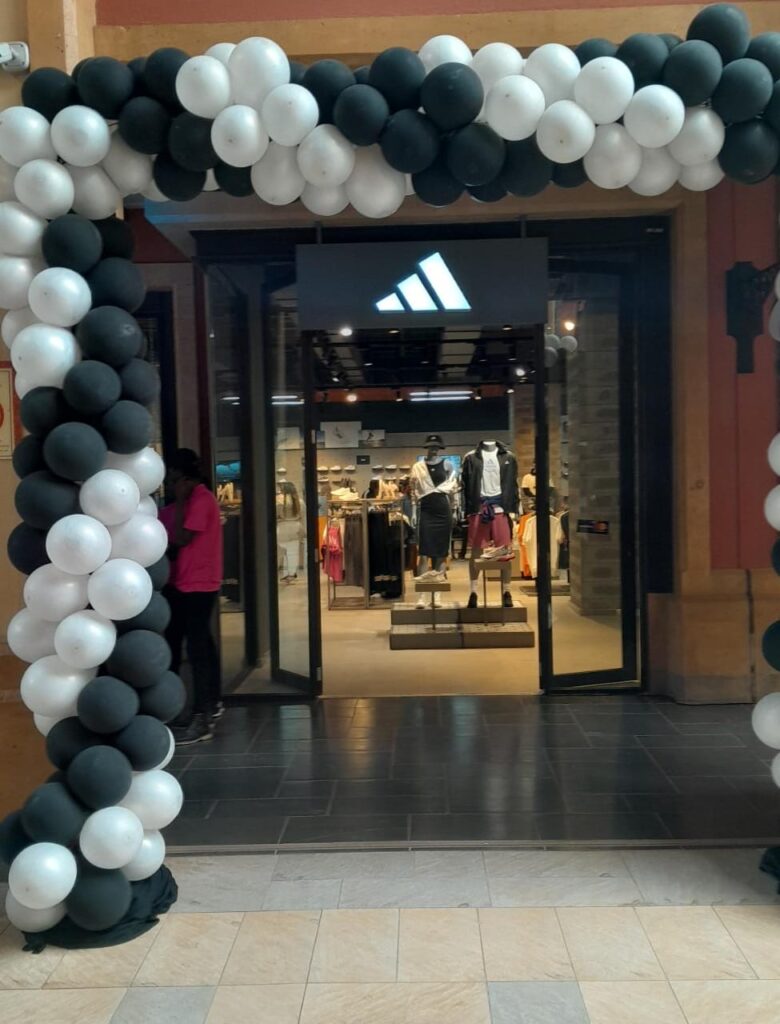
The new Adidas outlet has been opened at the Hub,Karen Shopping Mall to add to several outlets that it operates currently in Kenya.
“We had already committed to this investment and given and It is a very appropriate location,” Karim Montasser,Adidas Country Manager says
Speaking suring the opening ceremony, Karim Mantasser said that the new store would go a long way in creating new business opportunities, jobs and market to the global franchise adidas products in the regional areas, as the company sets to open more stores out of Nairobi to serve the customers.
The retailer has plans to create more opportunities across the country within the 5 years by training the already staffs and to add more growth in the kenya market.
However as much as the retailer is still making more profits, it still struggling with higher taxes being imposed by current Kenya Kwanza regime.
Liberal Democratic Party ,( LDP) has castigated the Kenyan police for carrying out judicial executions in certain parts of the country in the name of quelling demonstrations and protests. Attrocities that security forces carried out in Kisumu, Kissi, Homabay, Migori and Mlolongo is a massacre that must be condemned with strongest terms possible. The atrocities by the security forces during the protests was a total abuse of power and to Human rights that can only be likened to ethic cleansing of certain or particular ethnic groups or communities. President William Ruto took oath to protect the citizens of Kenya but not to kill and maim people. African Union, regional economic blocks and the international community should urgently intervene to initiate dialogue between the opposition and the government to stop further loss of lives through police brutality. The constitution allows the people of Kenya to picket and protests peaceful without intimidation from the government of the day or government in power. Killing people and arresting people with dissent opinions will not stop people from demanding their rights to be governed properly. The late former president Daniel Arap Moi tried and failed and that is why the 2010 constitution was enacted. LDP as party that cherishes respect to the rule of law, freedom, democracy and Human rights is appealing to Civil Society groups in Kenya and internationally to put pressure on Kenya Kwanza government of President William to stop security forces especially the police from killing their fellow Kenyans. Kenya is not a police State therefore lives of people must be respected and protected above everything else.
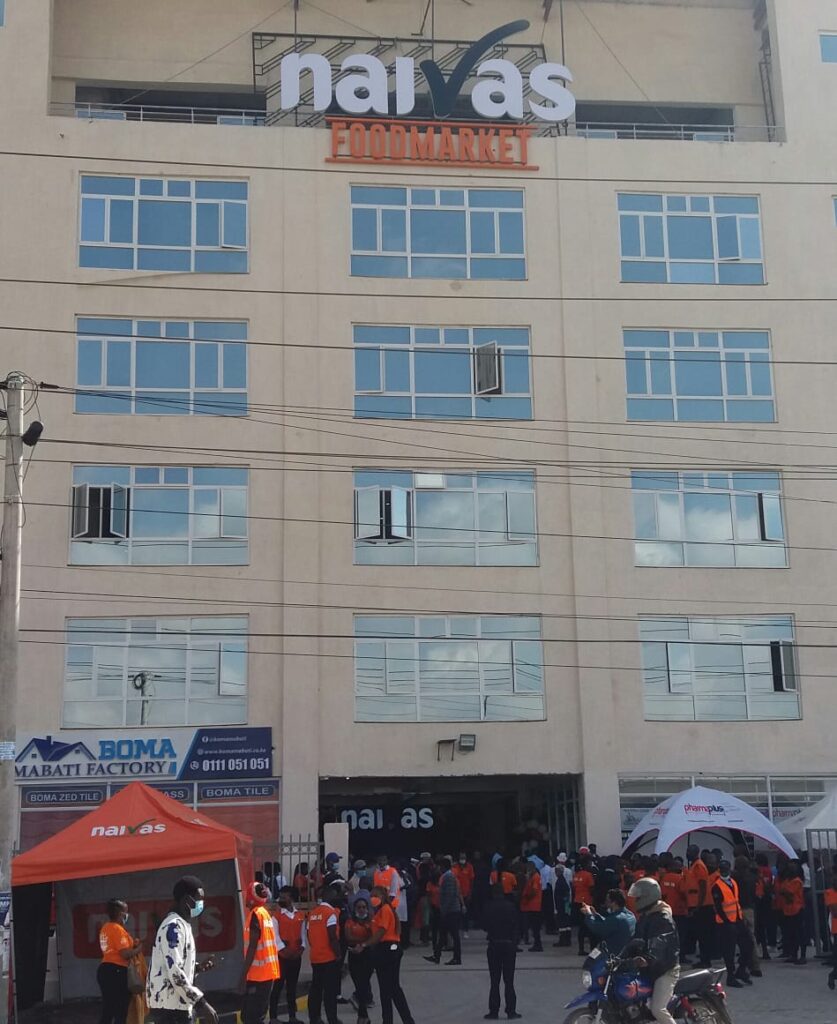
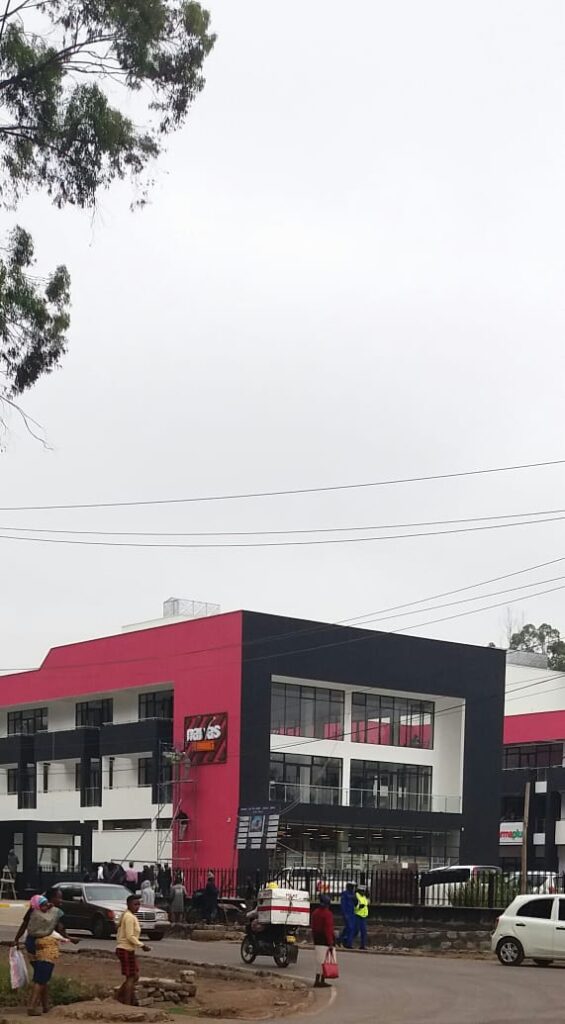
CAPTION: Pictures of some of the Naivas Supermarket branches spread across 24 towns and cities in the country. Picture By Tum David.
By Tum David
Naivas Supermarket, the leading retailer in Kenya and the greater East African region, is on the road to make history as it opens its 96th outlet in Kisii town making the #RoadTo100 a possible reality.
The retailer kicked off its new financial year with a loud bang, by returning to Kisii town after a close to 13 years since it first opened a successful branch in the area in November 2010.
The newest Naivas outlet in Kisii, which is the 96th branch, is also a hypermart and will be among the top ten branches in physical size that the retailer operates making the #RoadTo100 a lot more exciting.
The newly unveiled 96th branch in Kisii definitely serves as a testimony of success for Naivas, being a local retailer with the greatest number of branches that any Kenyan supermarket chain has ever operated successfully in the recent past.
” We are witnessing history in the making, “said an excited staff member of Naivas.
The Kisii hypermart covers 32000 sq ft if trading space and it sits in a mixed-use development, the first of its kind in the country. This development is a much needed facelift for the town which has been an upward trajectory in terms of economic devopment.
” Naivas always lives upto its brand promise of ‘SAVES YOU MONEY’ which is engrained in our DNA and setting up shop within our communities is our sure way of doing that.” Willy Kimani the Naivas Chief Commercial Officer said during the grant opening.
As has been the tradition, Mr Willy Kimani said that in every branch opening, the Kisii residents will enjoy a four week campaign dubbed ” Gusii makaboria takabaigwa” which means: Kisii you asked and we listened.
The Kisii outlet therefore, is birthed by the asking of the Kisii people.
” We listen to our customers and this move underscores our commitment to making shopping experience for our customers across the Kenya more affordable, more convenient and most importantly more dignified”. Mr Kimani said.
He said the outlet had been long awaited by their customers who were full of expectation from their retailer of choice, Naivas and he said the FoodStore as usual will deliver nothing short of a world class shopping experience that’s crowned by the unmistakable Kenyan hospitality.
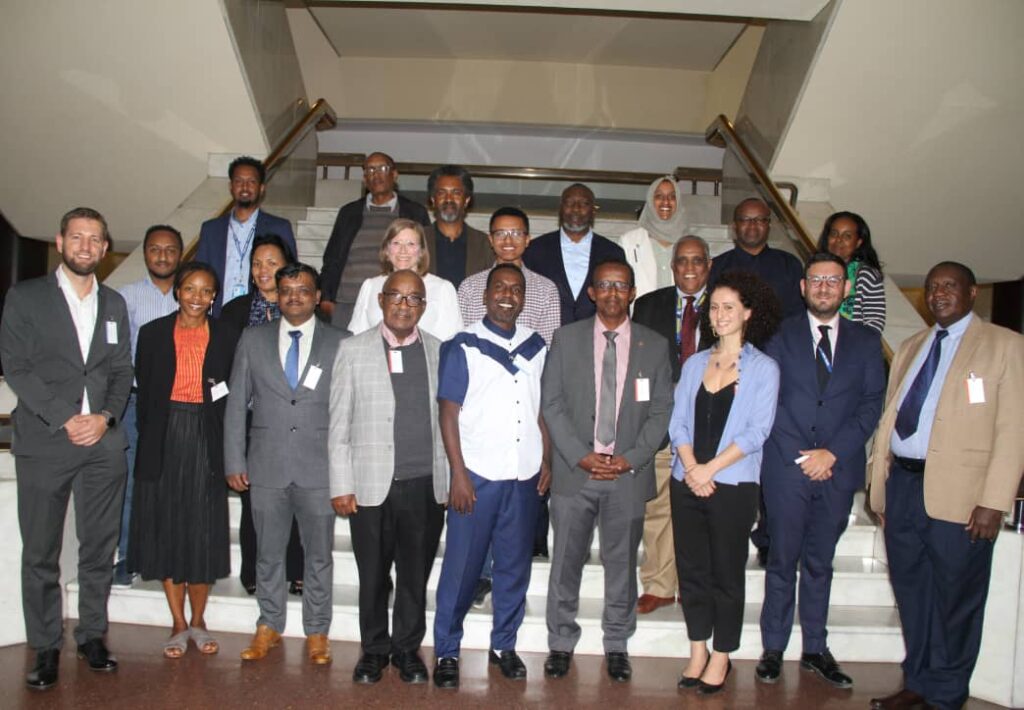
Kenya Government institutions have been encouraged to embrace Dispute Resolution as litigation is not always the recommended route to resolve cases.
Speaking DRBF meeting in Nairobi, Dr. Mourice Okelo the Assistant Manager of Project Monitoring evaluation and Dispute Resolution at KenGen said that a bigger percentage of the disputed projects are resolved outside courts, a situation that has greatly contributed to the reduction of stalled projects.
He was speaking during Dispute Resolution Board meeting held Nairobi to promote the use of dispute resolution formula in all African countries.
He also said that the company stated using an outside court since 2014.
However, there might be some challenges between the company and the contractors but its always being dealt with the dispute resolution board to avoid delays.
Mourice encouraged Kenyans not to shy away from seeking the services of mediators on construction and succession matters, disagreements and petty cases as they are professionally trained to arbitrate them.
The dispute resolution board foundation (DRBF) is a non profit organization dedicated to promote avoidance and resolution of disputes and also provide assistance to the worldwide application of dispute board.
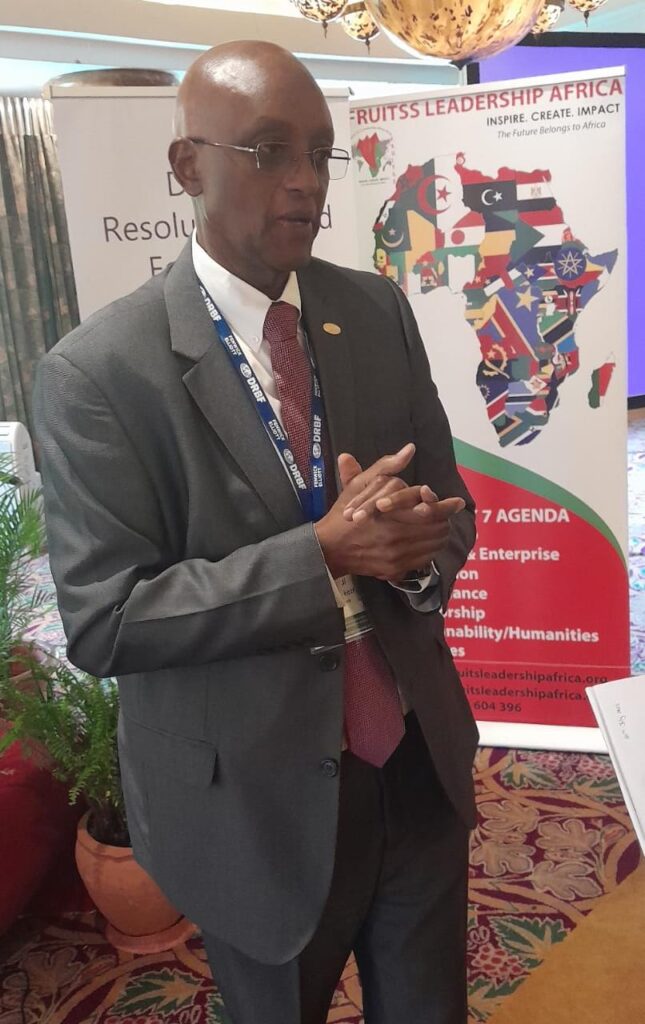
By Jeff Kizzilah The Dispute Resolution Board Foundation of Africa is urging construction sectors to use alternative dispute boards to leverage development. “Various mechanisms have put to limit the risks. Given the lengthy procedures characteristic of litigation, that there has been a growing shift from the corridors of justice to out-of-court settlements”, Mr.Karekezi said
Mr. Paul Karekezi,Board Member and Africa Representative at Dispute Resolution Board Foundation,(DRBF) was speaking during the DRB Regional Conference in Nairobi,where he said for a continent of Africa to be an effective player every sector must have a dispute boards.
“Our work is to give parties a formal assistance before the dispute is rwached where its not binding but sometimes it helps because it has helps most of the projects are completed on time”,he reiterates
He said since the board was formed most of the projects are finalised on time because time taken to handle the dispute is short and effective wirhin 3 months.
According to DRBF most of the cases going to the (DBs) only 2 percent are reversed because of small hitches among rhe party members while over 90% of disputes are always successful.
The board members chosen to sit in the dispute resolution board are selected by the two parties.
The board is composed of 7 African countries South Africa,Botswana,Kenya among the countries that have succeeded in the formation the DBs to sort out their disputes well.
DB are successful in the construction industry because of the unique features of construction those selected board still sits on arbitration and mediation.
The dispute board is always funded by JICA and AfDB and any organisation or a parastatal funded must initiative a DB in all their organisation and its formed as a contract.