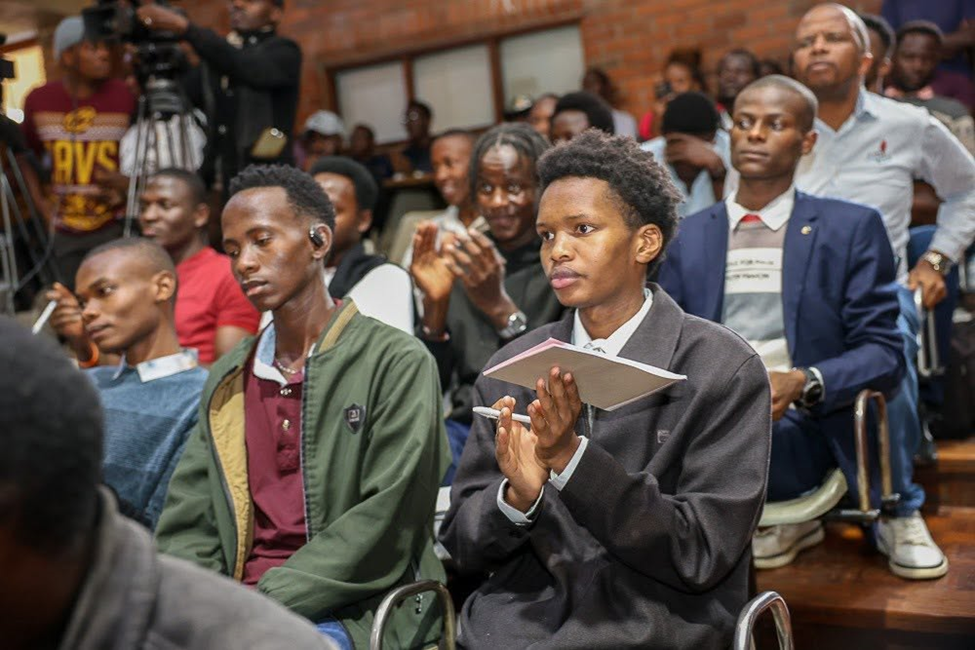
Photo Caption: More than 250 young Kenyans gathered in Nairobi for a five-day forum focused on governance, innovation, livelihoods and the growing digital economy.
By Benard Mulwa NAIROBI, Kenya — Young Kenyans are demanding a bigger seat at the table in the decisions shaping the country’s political and economic future, as more than 250 youth gathered in Nairobi for the 4th NCCK National Youth Convening. Held from September 21 to 25, 2026, at Ufungamano House, the five- day forum brought together young people under the theme “Claiming
Space, Shaping Kenya”, with discussions centered on governance, innovation and livelihoods. Organized by the National Council of Churches of Kenya (NCCK), the convening sought to give young people a platform to define the issues and priorities affecting their generation rather than simply responding to agendas developed elsewhere. ‘Claiming space’ in national affairs A central message emerging from the gathering was that young Kenyans want to move beyond being viewed as recipients of government programmes and development initiatives. Participants called for more meaningful and active involvement in national governance, saying young people should have a stronger voice in decisions that affect their economic opportunities, communities and future. The discussions reflected growing interest among young Kenyans in taking an active role in shaping public policy and the direction of the country. The theme, “Claiming Space, Shaping Kenya,” captured the focus of the convening: creating room for young people to articulate their own priorities and participate directly in shaping Kenya’s future. Digital economy takes Centre stage The country’s rapidly expanding digital economy was another major area of discussion. Participants explored the opportunities presented by technology and digital platforms, particularly in relation to employment, entrepreneurship, innovation and livelihoods. Among those supporting calls for greater youth participation was Canon Chris Kinyanjui, who has highlighted the need for young people to play a more active role in governance and the digital economy.
The discussions placed the digital economy within the broader question of how Kenya can create sustainable opportunities for its youthful population. From discussion to networking The five-day programme was not limited to policy discussions. Participants also took part in panel discussions, cultural performances and networking sessions, providing opportunities for young people from different backgrounds to exchange experiences, build connections and discuss possible solutions to challenges facing their generation. The combination of policy dialogue and cultural engagement was designed to strengthen connections among participants while encouraging them to view themselves as contributors to Kenya’s social and economic development. Youth agenda takes Centre stage Unlike forums where young people are presented with a pre-formulated agenda, the NCCK convening placed emphasis on allowing participants to identify and discuss their own priorities. That approach put governance, innovation and livelihoods at the heart of the gathering, while giving young Kenyans space to discuss the opportunities and challenges they face. The event comes as youth participation remains an important issue in Kenya’s national conversation, particularly around economic opportunities, digital innovation and involvement in public decision-making. By bringing more than 250 young people together, the NCCK convening sought to turn that conversation into a platform for dialogue, networking and agenda-setting.
As the gathering closed on September 25, its central message remained clear: young Kenyans want not only to be heard, but to participate in shaping the decisions that will define the country’s future.
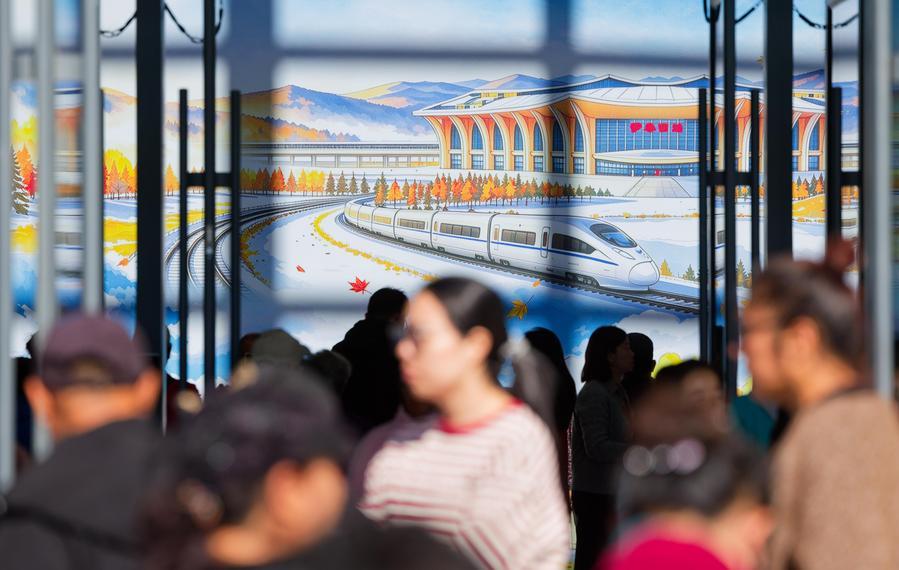
People visit the Yichunxi Railway Station of the Harbin-Yichun high-speed railway in Yichun, northeast China’s Heilongjiang Province, Sept. 28, 2026. (Xinhua/Zhang Tao)
BEIJING, Oct. 2 (Xinhua) — China’s newly opened high-speed railway sections are expected to boost tourism, especially during holidays such as the ongoing National Day holiday, industry experts and local officials said.
On Monday, China opened four major high-speed railway sections to traffic, spanning northern, northwestern, central and northeastern China, which are expected to draw more tourists to iconic attractions just ahead of the seven-day holiday.
The new lines will bring residents of major cities closer to diverse cultural and natural destinations, from the Three Gorges Dam in central China’s Hubei Province to the emerald forests of Yichun in the country’s far northeast.
The Yichang-Xingshan section effectively links high-quality cultural and tourism resources, while the Harbin-Yichun section creates conditions for developing tourism and ecological resources along the routes, said Yuan Baohua, deputy director of the construction department of China State Railway Group Co., Ltd. (China Railway).
Liu Yanhong, deputy general manager of Xiong’an high-speed railway corporation, said the Xiong’an-Shangqiu section further links historical and cultural tourism resources across Hebei, Shandong and Henan provinces, driving short-haul cross-regional cultural tourism trips.
“The most direct impact is that cities are much closer now — not just on the map, but in everyday life,” said Qu Xiaoyuan, a local cultural and tourism official in Ankang, northwest China’s Shaanxi Province.
With the Xi’an-Ankang section cutting travel time between the two cities to just 45 minutes, tourists from the Guanzhong Plain can now make a round trip in a single day, allowing for spontaneous getaways at any time, Qu said.
As the new lines draw passengers from a wider area, weekend and short-holiday tourists may increase significantly, driving demand for multi-purpose and experience-oriented tourism products, Qu said. In response, tourist attractions will emphasize their unique features and focus on improving quality to avoid offering similar, copycat experiences.
“Turning first-time visitors into repeat visitors requires continuous efforts to improve tourism products and service quality,” Qu said.
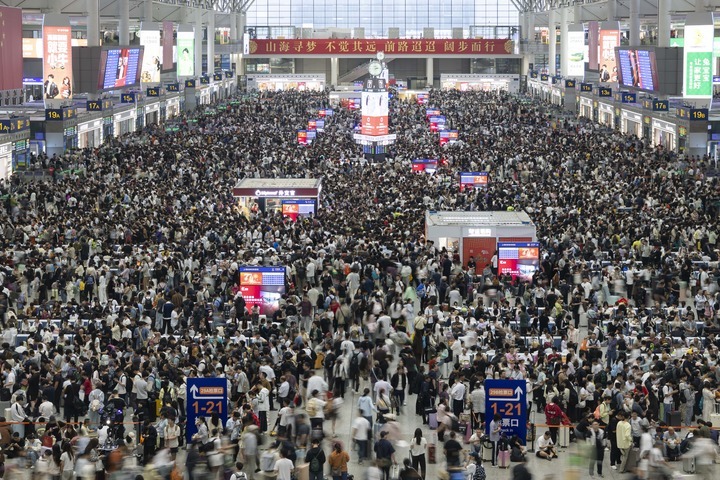
The new lines are expected to help meet demand during the holiday travel rush. China Railway expects some 284 million passenger trips during the Mid-Autumn Festival and National Day holiday period, which extends from Sept. 23 to Oct. 8, with a peak in railway passenger flow on Oct. 1. ■
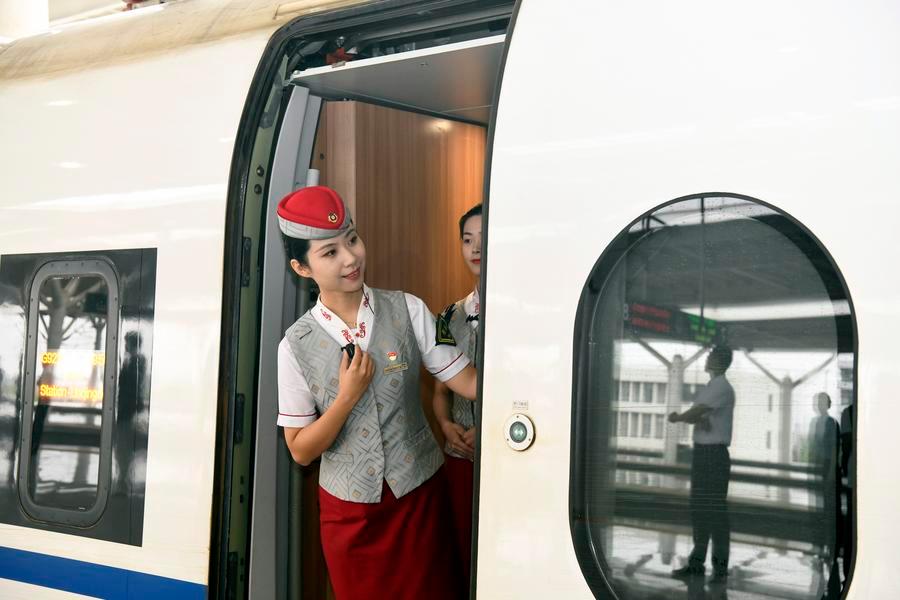
Attendants are on duty aboard the high-speed train G9216 at the Heze East Railway Station in Heze City, east China’s Shandong Province, Sept. 28, 2026. (Xinhua/Guo Xulei)
BEIJING, Oct. 2 (Xinhua) — China’s newly opened high-speed railway sections will help promote cross-city collaboration and closer regional economic ties, boosting the flow of talent, technology and capital across regions, experts said.
On Monday, China opened four major high-speed railway sections spanning northern, northwestern, central and northeastern regions. This move further expands the world’s largest high-speed rail network, enhancing connections between major cities, city clusters and key economic zones across the country.
“The opening of the four lines will promote industrial transformation and upgrading and cross-regional industrial transfer, boost the development of resources along the routes, and inject new momentum into coordinated regional economic and social development,” said Yuan Baohua, deputy director of the construction department of China State Railway Group Co., Ltd.
Each of the four new sections helps bind regions closer together. The Xiong’an-Shangqiu section, for instance, tightens ties between Xiong’an New Area and central-southern Hebei, southwestern Shandong and eastern Henan, while the Harbin-Yichun line extends the two-hour transportation circle centered on Harbin in northeast China, Yuan said.
As the rail network turns from isolated lines into an interconnected web, regional cooperation is deepening, according to Ma Botao with the China Railway Economic Planning and Research Institute.
Ma said the expanding network is bringing cities and city clusters much closer together. Commuting within metropolitan areas now takes about one hour, living and working across city clusters about two hours, and business travel between neighboring city clusters and provincial capitals around three hours.
“The railway network closely binds large and small cities, making industrial division of labor and cross-city employment the norm,” he said.
The benefits of the network extend beyond the areas directly along the new lines. For instance, the Yichang-Xingshan section narrows the time-space distance not just between the two cities, but between the Chengdu-Chongqing region and the city cluster in the middle reaches of the Yangtze River, Ma said.
The new lines also provide direct support for key national strategies. Noting that the Xiong’an-Shangqiu section fills the gap in Xiong’an New Area’s southbound high-speed rail corridor, Liu Yanhong, deputy general manager of Xiong’an high-speed railway corporation, said that the line facilitates commuting and business exchanges for relocated enterprises and institutions, and supports stronger industrial cooperation along the route.
For cities newly connected to the network, seizing the opportunity depends on how well they position themselves. “Generally, large cities focus on research and development, finance and headquarters economy, while small cities should leverage their local agriculture, ecology, tourism and distinctive industrial strengths to undertake supporting manufacturing, agricultural product processing, and wellness and cultural tourism, serving as both industrial supporting bases and leisure backyards for central cities,” Ma said.
To turn transport advantages into real development gains, Ma advised cities to strengthen connections between high-speed rail stations and industrial parks as well as major population clusters, and improve housing and public services for talent.
China is home to the world’s largest high-speed rail network, with more than 50,000 km of high-speed rail in operation by the end of 2025. Under national plans, the network is projected to expand to 70,000 km by 2035, connecting major cities, city clusters and key economic zones throughout the country. ■
BEIJING, Oct. 2 (Xinhua) — China’s railway network handled 25.204 million passenger trips on Oct. 1, the first day of the week-long National Day holiday, setting a new single-day record, China State Railway Group Co., Ltd. (China Railway) said Friday.
On Oct. 2, the railway network is expected to handle 20.39 million passenger trips, with 1,462 additional trains scheduled to accommodate the high demand, the company said.
Passenger ticket pre-sales show that Friday’s popular departure cities include Beijing, Guangzhou, Shanghai, Chengdu, Shenzhen, Hangzhou, Wuhan, Xi’an, Zhengzhou and Nanjing, while popular arrival cities include Beijing, Guangzhou, Chengdu, Hangzhou, Shanghai, Wuhan, Xi’an, Zhengzhou, Nanjing and Changsha.
Routes such as Xi’an-Chengdu round trips, as well as Beijing to Shenyang, Zhengzhou and Qingdao, are among the busiest.
Railway authorities across the country have strengthened transport organization and implemented measures to ensure safe, convenient and comfortable travel.
The China Railway Taiyuan Group has coordinated with local transport departments and scenic spots to add shuttle buses linking Datong South Station with the Yungang Grottoes, a UNESCO World Heritage site featuring over 50,000 Buddhist stone sculptures, and the Hengshan Mountain scenic area in north China’s Shanxi Province.
The China Railway Hohhot Group has added 11 multiple-unit trains on the Baotou-Wuhai section of the Baotou-Yinchuan high-speed railway.
The China Railway Wuhan Group, tapping the newly opened Yichang-Xingshan high-speed railway, has launched a promotion campaign with local governments in Yichang and Xingshan, offering passengers exclusive discounts at scenic spots, hotels and homestays with their train tickets.
China Railway expects some 284 million passenger trips during the Mid-Autumn Festival and National Day holiday period, which extends from Sept. 23 to Oct. 8.
On Oct. 1, a total of 329.5 million cross-regional passenger trips were made across China, down 1.9 percent year on year, according to the Ministry of Transport.
Specifically, railway passenger trips reached 25.204 million, up 9 percent year on year; road passenger trips stood at 300.36 million, down 2.8 percent; waterway passenger trips totaled 1.416 million, up 7.2 percent; and civil aviation passenger trips came in at 2.515 million, up 0.5 percent, according to the ministry.
China’s total cross-regional passenger trips are expected to reach 308.19 million on Oct. 2, up 2.1 percent year on year, the ministry added.
On Friday, the National Energy Administration reported that, based on statistical analysis of 62,700 highway charging facilities included in the national charging infrastructure monitoring service platform, the first day of the National Day holiday saw a total highway charging volume of 28.05 million kilowatt-hours nationwide.
This represents a 60.4 percent increase compared to the first day of last year’s National Day holiday, setting a new single-day holiday record for charging volume.
The impending construction of Aliko Dangote’s mega oil refinery in Lamu could mark a major turning point in Kenya’s industrial and economic development, with the project offering the potential to transform the country into a regional energy, manufacturing and petrochemical hub.
According to Eng. James N. Mwangi, EBS, CE, FIEK, MEI, MACEK, MKIM, Chief Executive Officer of Kurrent Technologies Ltd, the significance of the investment goes far beyond petroleum refining.
A Consulting Engineer and respected energy and infrastructure expert, Eng. Mwangi is a Fellow of the Institution of Engineers of Kenya and a member of the Energy Institute, the Association of Consulting Engineers of Kenya and the Kenya Institute of Management. He is also a past Vice President of the International Federation of Consulting Engineers(FIDIC) whose headquarters is in Geneva, Switzerland. His extensive experience in engineering, petroleum and energy systems, infrastructure development and strategic planning informs his assessment of the potential economic impact of the project.
His assessment comes as Kenya prepares for the groundbreaking of the planned Dangote refinery in Lamu on September 30, 2026.
The facility is designed to process 700,000 barrels of crude oil per day, making it the largest refinery planned in East Africa. Dangote Industries has already identified the site, with preliminary site investigations having commenced. The project is expected to take about three/four years to complete.
Eng. Mwangi argues that the refinery should therefore be viewed not simply as a petroleum-processing facility but as a potential anchor for a much broader industrial transformation.
A NEW INDUSTRIAL ANCHOR FOR LAMU
For Eng. Mwangi, the strategic importance of the project lies in its location and its potential to stimulate an entire economic ecosystem around Lamu and the wider LAPSSET corridor.
The Lamu Port-South Sudan-Ethiopia Transport (LAPSSET) Corridor has been conceived as a major regional infrastructure network linking Kenya’s coast with northern Kenya, South Sudan and Ethiopia.
A large-scale refinery could add an industrial dimension to that infrastructure by creating demand for logistics, storage, engineering, manufacturing, transport, financial services and other supporting industries.
“A transport corridor alone cannot unlock its full economic value unless it is accompanied by industries and business activities capable of creating employment, stimulating commerce and attracting private capital,” Eng. Mwangi observes.
He believes the refinery could stimulate economic activity along the northern corridor by encouraging investors to establish complementary businesses around the energy and petroleum value chain.
This could include fuel storage facilities, logistics centres, engineering workshops, industrial parks, manufacturing plants, commercial centres, accommodation facilities and a wide range of small and medium enterprises.
The Government has estimated that the wider refinery development could create more than 60,000 jobs, with a substantial proportion expected to be skilled positions.
BEYOND REFINED FUEL
According to Eng. Mwangi, perhaps the most significant opportunity lies in the industries that could develop around the refinery.
Modern refineries can serve as anchors for petrochemical value chains producing industrial chemicals, plastics, synthetic materials, fertiliser-related products, packaging materials and other inputs required across the manufacturing economy.
“A refinery is not simply about producing diesel, petrol, aviation fuel, liquified petroleum gas(LPG)or bitumen. It creates the foundation upon which multiple manufacturing industries can thrive,” he explains.
Kenya has for years depended heavily on imported petroleum products and numerous industrial inputs. A large-scale domestic refining and petrochemical complex could therefore create opportunities for greater local value addition and reduce dependence on selected imported products.
Eng. Mwangi says the multiplier effect could extend across agriculture, construction, healthcare, manufacturing, transport and consumer industries.
Local production of fertiliser-related inputs, for example, could strengthen agricultural value chains, while petrochemical-based manufacturing could support packaging, construction materials, textiles, healthcare products and numerous consumer goods.
OPPORTUNITIES FOR KENYAN ENGINEERS AND INDUSTRIES
The project could also create substantial opportunities for Kenyan engineering and technical professionals.
From construction and civil works to electrical systems, mechanical engineering, chemical and process engineering, environmental management, logistics and industrial automation, a project of such scale would require a wide range of specialised expertise.
Eng. Mwangi says this could provide an important platform for Kenyan companies to participate in major industrial projects and build capacity in sophisticated engineering and energy technologies. Further, the opportunity can be a foundation for a structured and comprehensive internship and mentorship program targeting engineering and other technical courses right from Technical and Vocational Training(TVET) institution and Universities.
The refinery could equally stimulate demand for local suppliers and service providers.
Transporters, manufacturers, fabricators, contractors, technology companies, financial institutions, professional consultants and SMEs could all benefit from the new economic activity generated around the facility.
Universities and technical institutions, he adds, could respond by strengthening programmes in petroleum engineering, chemical engineering, process technology, industrial automation, environmental science and other specialised disciplines.
This would help build a domestic skills base capable of supporting not only the refinery but Kenya’s broader industrial ambitions.
STRENGTHENING KENYA’S REGIONAL ENERGY ROLE
The refinery is also expected to have a regional dimension.
The facility is intended to supply petroleum products to Kenya and neighbouring markets, potentially strengthening the country’s position as an energy and logistics hub for East and Central Africa. President William Ruto has previously said the refinery is expected to serve markets including Ethiopia, South Sudan, Uganda, Tanzania, Rwanda, Burundi and the Democratic Republic of Congo.
Eng. Mwangi believes this regional market could provide the scale necessary to support a major refining and petrochemical complex.
“The East African Community already provides a substantial market. What is required is coordinated investment that allows countries to benefit collectively from regional natural resources and industrial capacity,” he says.
Such regional integration could create opportunities for cross-border trade, infrastructure development and investment while strengthening the commercial viability of the Lamu corridor.
A BOOST FOR LAPSSET
Eng. Mwangi sees the refinery as a potential catalyst for the next phase of development along the LAPSSET corridor.
Lamu’s deep-water port, strategic position on the Indian Ocean and proximity to markets in East and Central Africa give the location an important logistical advantage.
The combination of port infrastructure, energy processing and regional transport links could create an integrated industrial and logistics ecosystem.
“The real opportunity is to ensure that the refinery does not operate as an isolated project but becomes part of a wider industrial ecosystem,” he says.
This, he argues, would maximise the value of public infrastructure already developed around Lamu while encouraging additional private-sector investment.
REDUCING IMPORT DEPENDENCE
Another potential benefit is strengthening Kenya’s energy security.
The proposed refinery is expected to help reduce East Africa’s reliance on imported refined petroleum products by creating significant regional refining capacity. Further, it would go along way towards enhancing our strategic stocks position in line with the legislation.
Eng. Mwangi says local and regional refining capacity could also help insulate economies from some of the vulnerabilities associated with international supply chains, although petroleum prices would continue to have some level of influenced by global crude prices and other market factors.
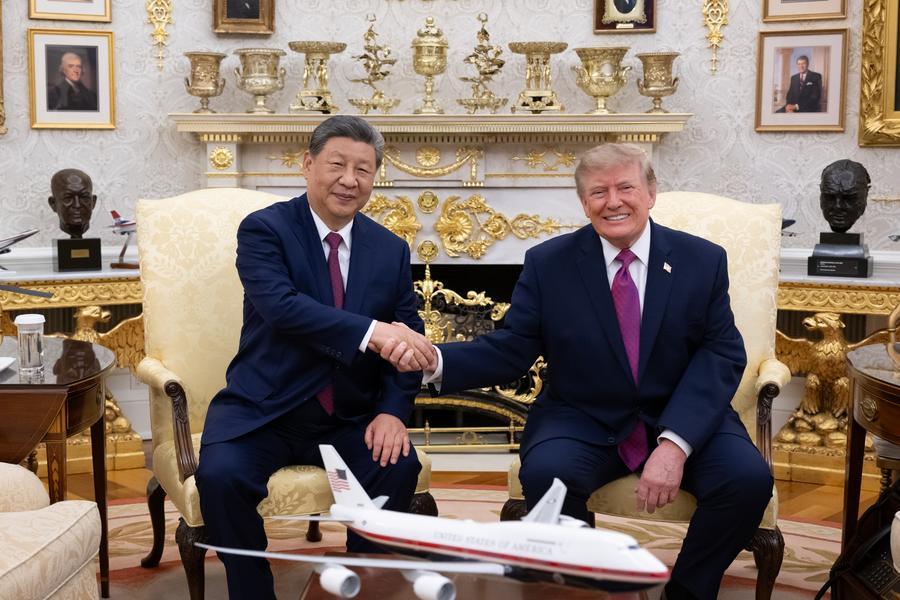
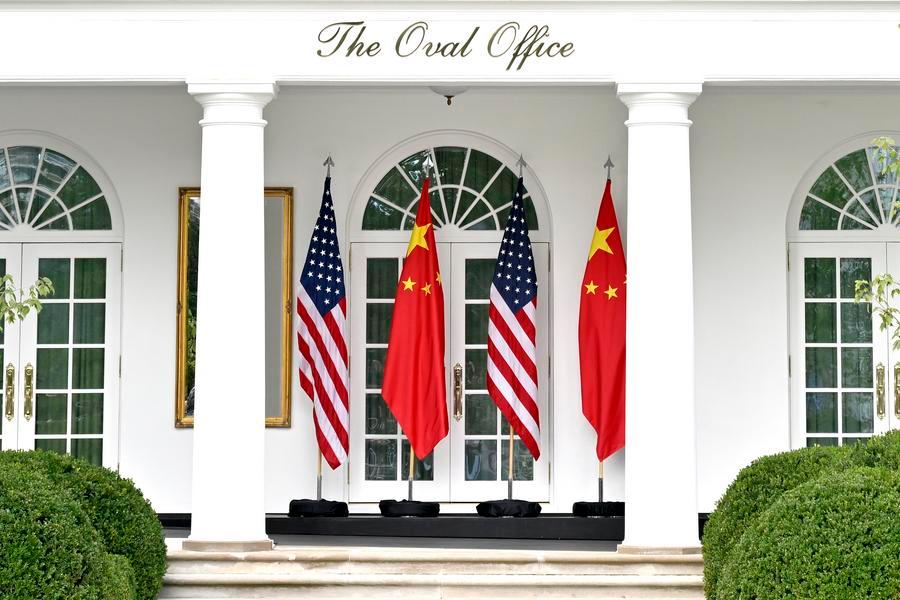
Chinese President Xi Jinping holds small-group exchanges with U.S. President Donald Trump in the Oval Office after a welcome ceremony at the White House in Washington, D.C., the United States, Sept. 24, 2026. (Xinhua/Xie Huanchi)
WASHINGTON, Sept. 25 (Xinhua) — As Chinese President Xi Jinping and his U.S. counterpart, Donald Trump, met on Thursday at the White House under global gaze, they reached many new common understandings, providing fresh strategic guidance for the world’s most important bilateral relationship.
While those common understandings have further enriched the vision of building a constructive China-U.S. relationship of strategic stability, Xi went further by urging the two sides to translate that vision into action and find the right way for the two major countries to get along.
For China and the United States, that means working toward a direction featuring cooperation as the mainstay, moderate competition, manageable differences, and promises of peace.
There is ample reason to do so. The interests of China and the United States are deeply intertwined, and there is plenty of room for them to work together. Also, achieving the great rejuvenation of the Chinese nation and making America great again can go hand in hand.
China and the United States should, and fully can, achieve mutual benefit and win-win results through practical cooperation, help each other succeed through healthy competition, properly manage differences by seeking common ground while respecting differences, and build peace by fostering mutual trust.
U.S. President Donald Trump holds a welcome ceremony for Chinese President Xi Jinping, who is on a state visit to the United States, at the White House in Washington, D.C., the United States, Sept. 24, 2026. (Xinhua/Yin Bogu)
Economic and trade cooperation has long been regarded as the ballast for bilateral ties. A stable China-U.S. economic and trade relationship requires both expanding the list of cooperation and shortening the list of problems.
The economic and trade teams of the two countries recently held a new round of consultations and reached joint arrangement, which is good news for the industries and people of both countries, as well as the global economy.
The same approach can also be applied to emerging areas that will shape the future of humanity. Both China and the United States are leading nations in artificial intelligence (AI). While they compete in AI, they have even more reasons to cooperate. The two sides should leverage respective strengths in AI rather than guard against each other.
The two sides can continue to engage in dialogue on AI, exchange views on its risks and benefits, and work together to prevent the misuse and abuse of AI. They should also maintain human control over AI technologies, and ensure that AI serves human progress.
Today, China-U.S. relations once again stand at a new historical starting point. Building a constructive relationship of strategic stability between the two major countries is not an expediency, nor will it be realized overnight. The two sides need to work persistently to deliver on their common understandings and work together to build a better world.■
Kingdom Bank Managing Director Anthony Mburu is steering the institution towards deeper partnerships that position the bank as a practical growth partner for Kenya’s Micro, Small and Medium Enterprises (MSMEs), with strategic collaboration with the Kenya National Chamber of Commerce and Industry (KNCCI) emerging as a significant step in that direction.
Under Mburu’s leadership, Kingdom Bank is exploring a structured partnership with KNCCI aimed at expanding access to finance, strengthening market linkages and creating new opportunities for entrepreneurs across Kenya.
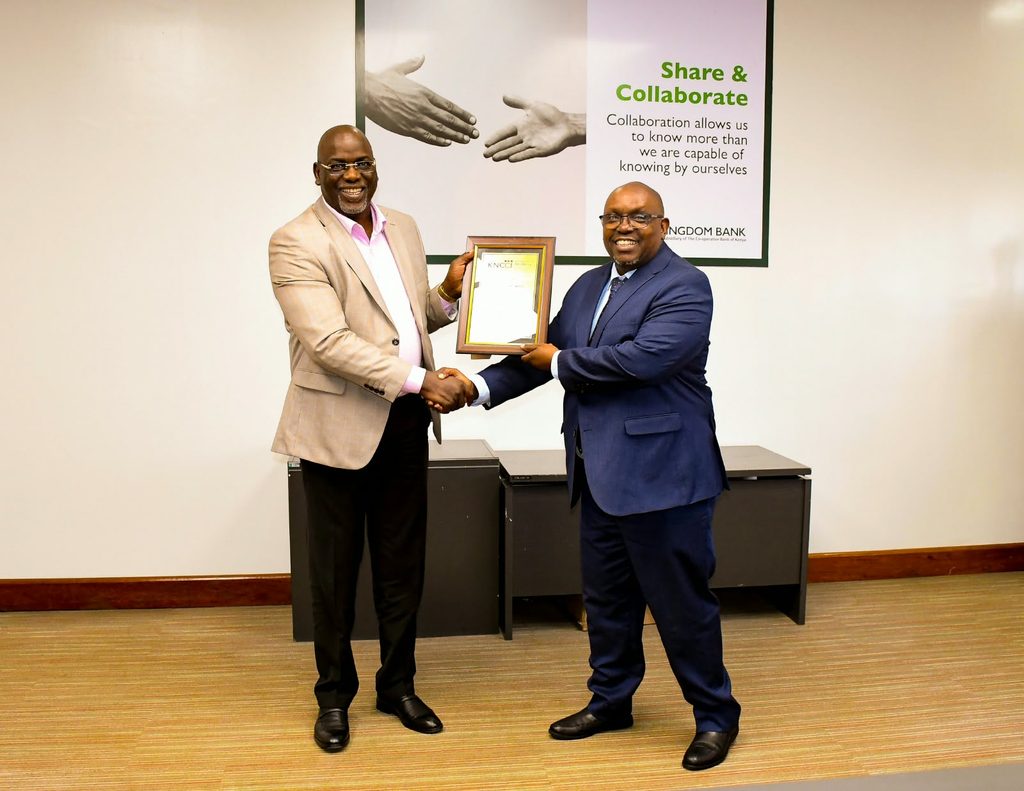
The discussions took centre stage when KNCCI National Director Eng. Ken Onditi, MBS, led a delegation on a courtesy visit to Mburu, with both institutions examining how their respective networks and capabilities can be combined to address some of the longstanding challenges facing MSMEs.
The engagement reflects Mburu’s broader focus on making financial services more responsive to the practical needs of businesses, particularly enterprises seeking capital, new markets, financial knowledge and opportunities to scale.
Positioning Kingdom Bank as an MSME Growth Partner
A central focus of the proposed partnership is access to finance and trade facilitation.
The two institutions explored opportunities in trade finance, credit guarantees and tailored financial solutions that could help businesses overcome capital constraints while facilitating both domestic and international trade.
For Mburu, such collaboration presents an opportunity to connect banking solutions more directly to the realities of entrepreneurs, ensuring that MSMEs have access not only to financial products but also to the networks and knowledge required to use them effectively.
The partnership discussions also placed significant emphasis on capacity building through joint training programmes, financial literacy initiatives, business forums and trade missions.
This integrated approach recognises that sustainable business growth requires more than access to credit. Entrepreneurs also need information, market intelligence, business networks and the capacity to compete in increasingly dynamic markets.
Unlocking Markets for Kenyan Businesses
Another important area of collaboration is market access.
KNCCI brings a membership network of more than 60,000 businesses across all 47 counties, alongside international networks and offices in China and Dubai.
Under Mburu’s leadership, Kingdom Bank is seeking to leverage these networks to connect its SME customers with new markets, investment opportunities and potential business partners.
The proposed collaboration therefore has the potential to create a bridge between finance and commerce—giving entrepreneurs opportunities to access capital while simultaneously opening doors to markets beyond their traditional operating environments.
From Partnership Discussions to Practical Action
Importantly, the engagement was not limited to high-level discussions.
The institutions agreed on the need to establish a joint committee bringing together their marketing and trade teams to coordinate activities, identify priority areas and guide implementation of the proposed partnership.
Kingdom Bank’s visibility among the business community is also expected to be strengthened through KNCCI’s digital platforms, publications and member engagement programmes.
The collaboration will further facilitate referrals of Kingdom Bank customers to KNCCI for certificates of origin, supporting enterprises involved in international trade.
These practical measures demonstrate the intention to move the partnership from broad commitments towards tangible services and opportunities for businesses.
A Leadership Approach Built Around Partnerships
Mburu’s engagement with KNCCI underscores a leadership approach centred on partnerships, innovation and responsiveness to the needs of the business community.
Rather than positioning Kingdom Bank simply as a provider of financial services, the proposed collaboration points to a broader ambition of making the institution a partner in enterprise development and trade expansion.
The presentation of a Platinum Membership Certificate to Kingdom Bank by KNCCI further recognised the bank’s longstanding engagement with the Chamber and provided a foundation for deeper institutional collaboration.
The KNCCI delegation also held discussions with Kingdom Bank Branch Manager Joel Gitau on practical implementation at branch level, with the aim of ensuring that businesses and KNCCI members across the country can ultimately access the benefits of the proposed partnership.
Looking Beyond Finance
Mburu’s leadership comes at a time when MSMEs remain central to Kenya’s economic activity and when entrepreneurs are increasingly looking for financial institutions that understand the full business journey—from accessing capital and developing financial capabilities to finding markets and building sustainable enterprises.
The proposed KNCCI–Kingdom Bank partnership brings these different elements together.
The two institutions are also looking ahead to the Africa Commerce and Industry Summit (ACIS 2026), scheduled for October 14–16 at Uhuru Gardens National Monument and Museum in Nairobi. The summit is expected to bring together more than 5,000 delegates from over 50 countries to explore trade, investment and innovation opportunities.
For Kingdom Bank, participation in such platforms creates further avenues for engaging entrepreneurs, investors and business networks.
At the heart of these engagements is Mburu’s vision of a Kingdom Bank that is closely connected to the aspirations of Kenya’s business community.
By deepening institutional partnerships, expanding access to financial solutions and opening pathways to markets, his leadership is positioning Kingdom Bank to play a more active role in strengthening MSME competitiveness and supporting sustainable trade and investment across the country.
Principal Secretary for the State Department for Diaspora Affairs Roseline Kathure Njogu, CBS, is emerging as a prominent voice in Kenya’s efforts to transform diaspora engagement, labour mobility and global opportunities for Kenyan talent into meaningful drivers of national development.
Through her leadership at the State Department, PS Njogu has consistently advanced an agenda that views Kenyans living and working abroad not merely as recipients of government services, but as critical partners in investment, skills transfer, innovation, employment creation and economic transformation.
Her latest engagement at the Migration and Development Roundtable held on the sidelines of the United Nations General Assembly in New York has further underscored her growing role in shaping Kenya’s international labour mobility agenda.
Speaking during the strategic forum, Njogu presented labour mobility as a “triple win” that can benefit migrant workers, countries of origin and destination, as well as employers. She emphasised the importance of mutual recognition of qualifications to enable skilled Kenyans to access international job markets more seamlessly.
The PS’s intervention reflects a broader approach that places skills development at the centre of Kenya’s global workforce strategy. With Kenya’s youthful population, she has consistently highlighted the need to equip young people with skills that respond to emerging international labour-market demands.
Under her leadership, the State Department has continued to strengthen partnerships aimed at creating safe, structured and demand-driven pathways for Kenyans seeking employment abroad.
Njogu has also placed considerable emphasis on protecting Kenyans from exploitation during the migration and employment process. The government’s approach has included efforts to promote responsible recruitment, strengthen labour agreements and ensure that Kenyans accessing opportunities abroad are better prepared and protected.
The Kenya-Germany Comprehensive Migration and Mobility Partnership has been among the initiatives through which the government is seeking to deepen structured labour mobility while strengthening skills development and cooperation between institutions in the two countries.
The State Department has similarly expanded engagements with other international partners to open additional opportunities for Kenyan professionals and skilled workers.
A notable feature of Njogu’s leadership has been the emphasis on ensuring that international opportunities also generate value for Kenya. Rather than viewing labour mobility simply through the lens of employment abroad, she has consistently highlighted the potential for diaspora professionals to contribute knowledge, expertise, investment and networks to the country’s development.
MSEA Director General Mr. Henry Rithaa is emerging as a strong champion of partnerships designed to expand economic opportunities for young Kenyans and strengthen the country’s Micro, Small and Medium Enterprises (MSME) ecosystem.
Under his leadership, the Micro and Small Enterprises Authority (MSEA) continues to explore innovative collaborations that can connect vulnerable young people with entrepreneurship, vocational training, apprenticeships, internships and sustainable livelihoods.
This commitment was demonstrated when Mr. Rithaa hosted a delegation from Twins International ETS, an Italian non-governmental organisation led by Sergio Fumagalli.
Twins International runs Alice for Children, a programme supporting orphaned and vulnerable children and young people from informal settlements through education, vocational training and provision of tools to facilitate job creation.
The engagement provided an important platform for exploring how MSEA’s extensive understanding of Kenya’s MSME sector and its existing entrepreneurship support programmes can be leveraged to create more sustainable opportunities for young people.
At the heart of the discussions was the potential to promote livelihoods through trade in services while establishing stronger linkages between young people and internship and apprenticeship opportunities within the MSME ecosystem.
For Mr. Rithaa, such partnerships demonstrate a practical and forward-looking approach to youth empowerment.
Rather than viewing young people solely as beneficiaries of programmes, the approach seeks to equip them with skills, tools, experience and market linkages that can enable them to become entrepreneurs, skilled professionals and creators of employment.
This is particularly important for young people from vulnerable backgrounds who often face significant barriers to education, vocational training and access to employment opportunities.
By opening pathways into the MSME ecosystem, MSEA can help bridge the gap between skills development and actual economic participation.
Mr. Rithaa’s engagement with Twins International also highlights his appreciation of the role that strategic partnerships can play in expanding the reach and impact of public institutions.
International organisations, government agencies and MSMEs each bring different expertise and resources to the table. Bringing these strengths together can create more comprehensive support systems for young people seeking to build sustainable livelihoods.
The discussions around apprenticeships and internships are particularly significant because practical experience can give young people an opportunity to translate classroom and vocational training into real-world skills.
Within Kenya’s vast MSME sector, such opportunities can provide an important bridge between training and employment while also helping enterprises access a pool of emerging talent.
Rithaa’s leadership is therefore helping position MSEA as not just a regulator or support institution, but as an important connector within Kenya’s entrepreneurship ecosystem.
His emphasis on collaboration reflects an understanding that empowering young people requires more than providing training. It also requires access to tools, mentorship, work experience, markets, finance and networks.
The partnership discussions with Twins International are a reflection of this broader vision.
At a time when Kenya is seeking to harness its youthful population as a driver of economic growth, initiatives that connect vulnerable youth to practical economic opportunities are increasingly important.
Through his leadership at MSEA, Henry Rithaa continues to demonstrate an energetic commitment to building partnerships that can unlock the potential of young people while strengthening the MSME sector.
His approach is centred on a simple but powerful principle: when young people are equipped with the right skills and connected to genuine opportunities, they can transform their own lives, support their families and contribute meaningfully to Kenya’s economy.
The engagement with Twins International is therefore more than a meeting between two organisations. It is an important step towards building stronger bridges between youth, skills development and the MSME economy.
For Mr. Rithaa, the mission is clear—strengthen partnerships, expand opportunities and ensure that Kenya’s young people have the tools and platforms they need to turn their potential into sustainable livelihoods.
That is the kind of practical, inclusive and partnership-driven leadership that can make a lasting difference in the lives of young Kenyans.
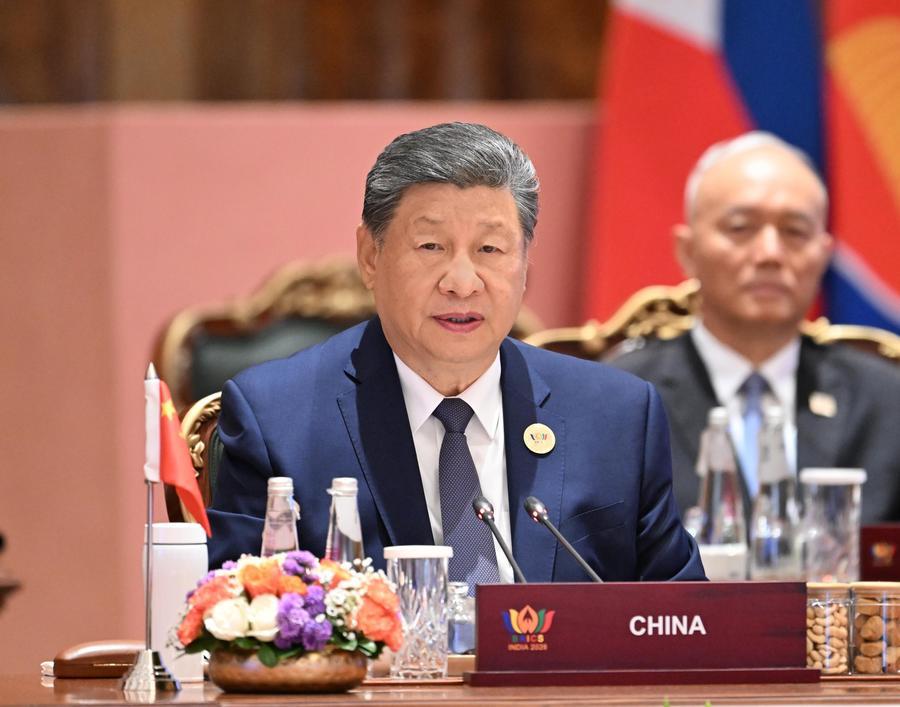
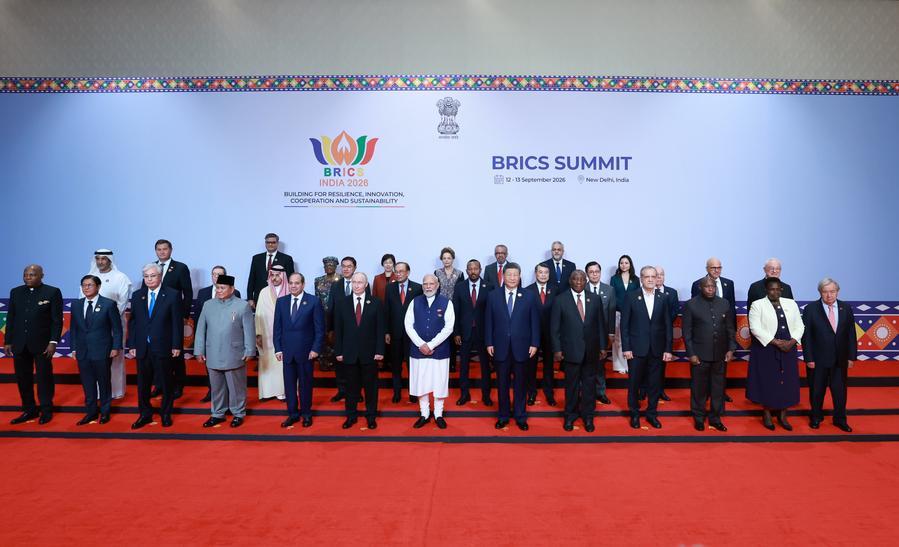
NEW DELHI, Sept. 13 (Xinhua) — Chinese President Xi Jinping on Sunday proposed five initiatives on “greater BRICS” cooperation in areas of AI, trade and investment facilitation, digital industry, smart manufacturing, and talent development.
Xi made the proposals when attending the second day of BRICS summit in New Delhi.
Chinese President Xi Jinping delivers a speech when attending the second day of the 18th BRICS Summit in New Delhi, India, Sept. 13, 2026. (Xinhua/Yan Yan)Chinese President Xi Jinping poses for a group photo with other leaders attending the 18th BRICS Summit before the second day of the summit in New Delhi, India, Sept. 13, 2026. Xi attended the second day of the 18th BRICS Summit here on Sunday. (Xinhua/Wang Ye)■