NEW DELHI, Sept. 13 (Xinhua) — Chinese President Xi Jinping on Sunday called on BRICS countries to strengthen unity among the Global South and play an active, stabilizing and positive role in global affairs, while putting forward five initiatives on greater BRICS cooperation.
Xi made the remarks when attending the second day of the 18th BRICS Summit. The following are some of the highlights of his remarks.
ON JOINT ACTIONS
— The Global South, with its collective rise, has become a key driver of world multipolarity.
— To bring stability to the world and make it a better place, BRICS countries must seize the historical initiative, rally the Global South, be an active, stabilizing and positive force in international affairs, and advance the well-being of all humanity.
— Global South countries should jointly defend the rule of law in international affairs, safeguard the basic norms of international relations including sovereign equality, noninterference in internal affairs, and the peaceful settlement of disputes, and ensure that international law and international rules are applied to all, free from double standards.
— Global South countries should hold high the banner of multilateralism, uphold the authority and role of the United Nations, support multilateral institutions in advancing reform and increasing efficiency, and ensure the equal participation of all countries in international affairs.
— Global South countries should stay committed to a people-centered development philosophy and strive to deliver on the 2030 Agenda for Sustainable Development.
— Global South countries should jointly advance security governance and tackle both traditional and nontraditional security threats.
ON DEEPENING COOPERATION
— We should leverage our close ties with fellow emerging markets and Global South countries, uphold open cooperation for mutual benefit, safeguard stable and smooth industrial and supply chains, and foster a large integrated market.
— We should build incubators for innovation, upgrade traditional industries, develop emerging industries, and deploy future industries.
— China will be a pioneer in establishing a BRICS AI open source community, support the cooperation in developing and applying large language models, hold specialized AI seminars and training courses, and build an open ecosystem for AI.
— China proposes to establish a BRICS special economic zone partnership, under which countries can set up an intelligent portal, coordinate policies, and build a new frontier for open development. In an effort to cultivate new drivers of economic and trade cooperation, China will hold the BRICS Forum on Trade in Services next year.
— China will push for establishing a BRICS digital ecosystem cloud platform, and conduct digital skills training, technological exchange and industrial alignment, so as to jointly enable the development of the digital economy.
— China stands ready to assist fellow BRICS countries in building smart factories and developing standards and norms, and jointly promote manufacturing transformation and upgrading.
— China proposes to set up a BRICS engineer cultivation alliance for joint development of engineers and mutual recognition of competency standards. China will launch a BRICS youth exchange program for scientific and technological innovation, so as to cultivate more high-caliber talent.
— China will continue to advance high-quality development, expand high-standard opening up, implement the Global Development Initiative, and promote high-quality Belt and Road cooperation to share opportunities and prosper together with all countries. ■
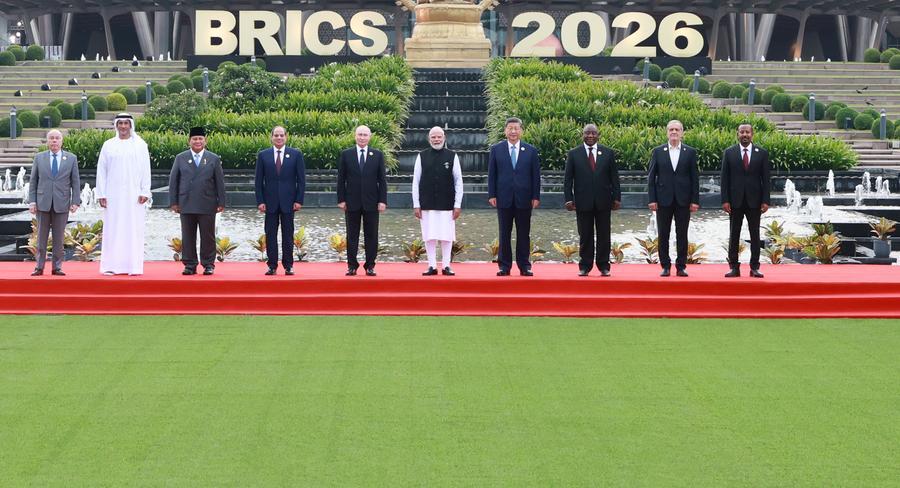
Leaders of the BRICS countries pose for a group photo during Session I of the 18th BRICS Summit in New Delhi, India, Sept. 12, 2026. (Xinhua/Wang Ye)
JOHANNESBURG, Sept. 13 (Xinhua) — Deepening practical cooperation within BRICS is creating new opportunities for the Global South to strengthen economic resilience and advance sustainable development, a South African scholar has said.
“BRICS has become an important source of global economic dynamism, particularly driven by the scale and growth of its emerging-market economies,” Mogomme Alpheus Masoga, deputy vice-chancellor for teaching and learning at the Central University of Technology, Free State, told Xinhua in a recent interview.
Masoga said the significance of BRICS expansion goes beyond its growing membership, with cooperation increasingly extending from traditional trade to infrastructure, digitalization, green energy and technological innovation.
“Deeper intra-BRICS trade, investment, infrastructure financing and payment-system cooperation could diversify markets, strengthen supply-chain resilience and expand development-finance options,” he said.
Such cooperation has become increasingly important amid rising protectionism, geopolitical tensions and supply-chain restructuring, Masoga added.
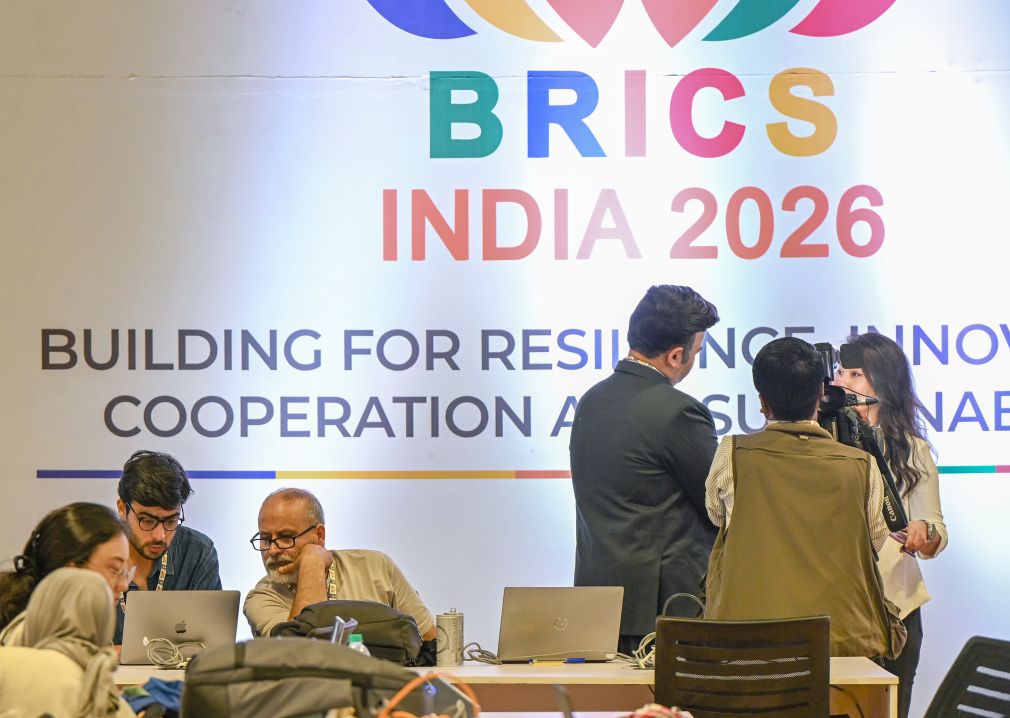
Media staff work at the media center at Bharat Mandapam, the main venue of the 18th BRICS Summit in New Delhi, India, Sept. 12, 2026. (Xinhua/Javed Dar)
On China’s role in the group, Masoga described the country as “an important driver of practical economic cooperation,” particularly in emerging fields such as the digital economy and artificial intelligence (AI), saying that China’s technological capabilities and experience could support joint research, skills development, digital infrastructure and technological solutions across BRICS countries.
He also noted the launch of the BRICS AI Industry Cooperation Network at the 2025 World Artificial Intelligence Conference in Shanghai, saying that China’s proposed open-source AI initiative and action plan could help Global South countries develop technologies suited to their own development needs.
For South Africa, Masoga said BRICS cooperation provides opportunities to address infrastructure constraints, expand trade and investment, advance the energy transition and strengthen industrial capacity, as well as support the broader African development agenda.
The group’s greatest value to the Global South is “its potential to turn collective economic weight into practical development cooperation,” Masoga said. ■
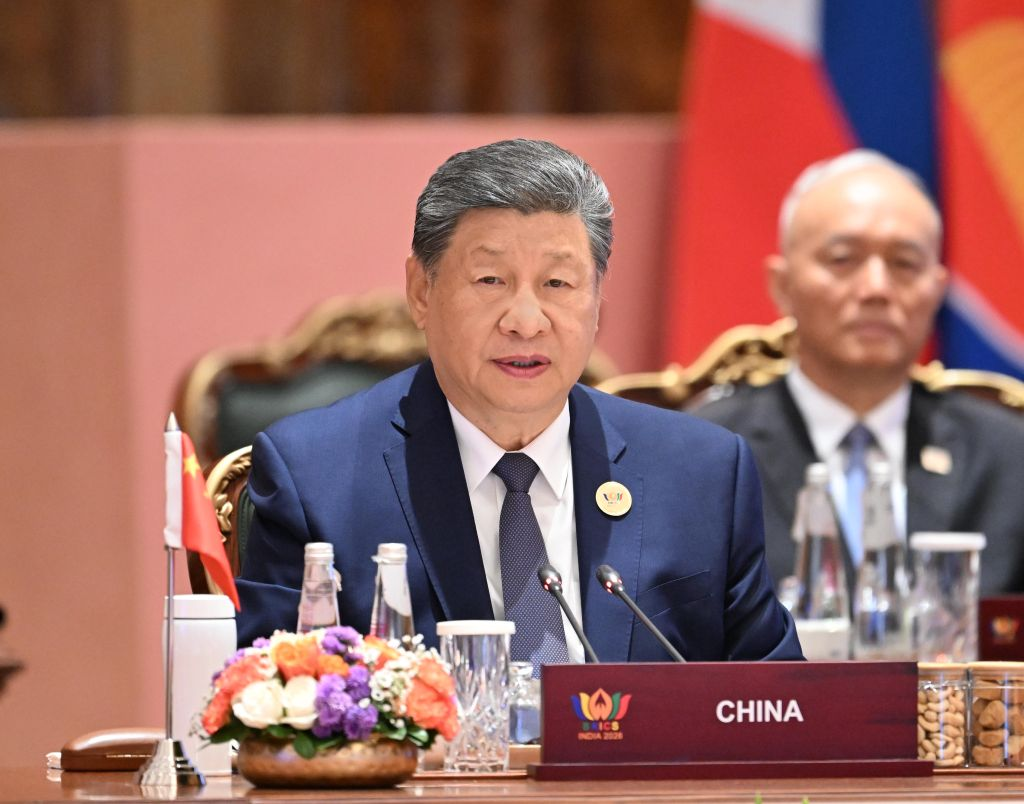
Chinese President Xi Jinping delivers a speech when attending the second day of the 18th BRICS Summit in New Delhi, India, Sept. 13, 2026. (Xinhua/Yan Yan)
NEW DELHI, Sept. 13 (Xinhua) — Chinese President Xi Jinping on Sunday delivered a speech at the 18th BRICS Summit in New Delhi, India.
The following is the full text of the speech:
Cementing the Foundation for BRICS Cooperation and Bolstering the Strength of the Global South
Statement by H.E. Xi Jinping
President of the People’s Republic of China
At Session II of the 18th BRICS Summit
New Delhi, September 13, 2026
Your Excellency Prime Minister Narendra Modi,
Colleagues,
I thank Prime Minister Modi and the Indian government for hosting this meeting.
We meet at a time when changes unseen in a century are accelerating across the world. The Global South, with its collective rise, has become a key driver of world multipolarity. At the same time, the international landscape is volatile and fraught with risks and challenges. To bring stability to the world and make it a better place, BRICS countries must seize the historical initiative, rally the Global South, be an active, stabilizing and positive force in international affairs, and advance the well-being of all humanity.
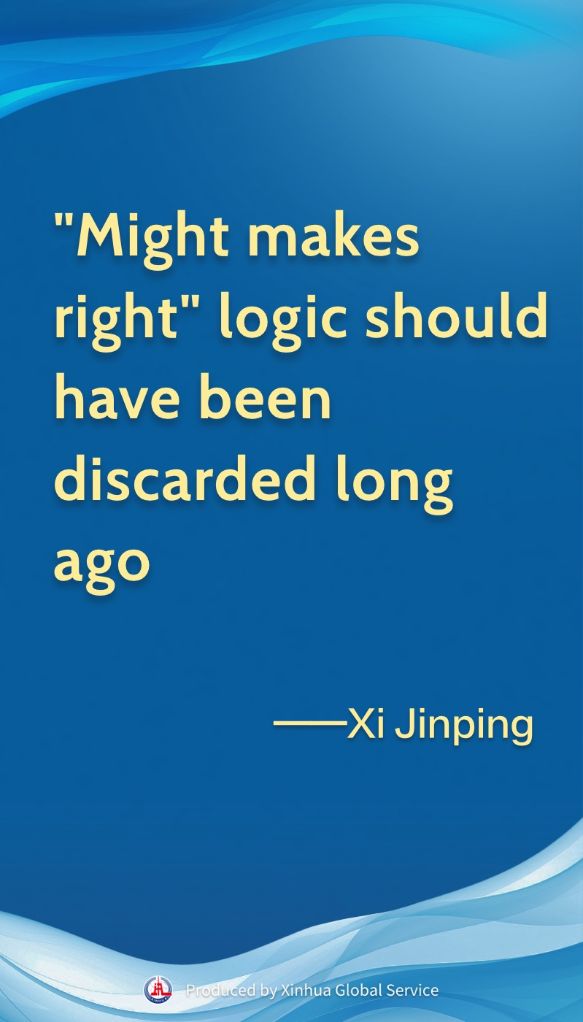
A world without rules is like a crossroads without traffic lights, where chaos and disorder are all but guaranteed. Fairness and justice is a universal aspiration, and international rules must be written by all countries. The logic of “might makes right” does not hold, and should have been discarded long ago. Global South countries should jointly defend the rule of law in international affairs, safeguard the basic norms of international relations including sovereign equality, noninterference in internal affairs, and the peaceful settlement of disputes, and ensure that international law and international rules are applied to all, free from double standards.
All countries, regardless of their size, strength or wealth, are equal members of the international community. Global South countries should hold high the banner of multilateralism, uphold the authority and role of the United Nations, support multilateral institutions in advancing reform and increasing efficiency, and ensure the equal participation of all countries in international affairs. We should see to it that the reform of the World Trade Organization proceeds in the right direction, uphold such principles as the most-favored-nation treatment, and actively explore new rules for the future. We should support the operation and development of the New Development Bank to facilitate Global South cooperation. The international financial architecture must be reformed and improved to increase the representation and voice of developing countries.
“To achieve great things, one should always put the people first.” Global South countries should stay committed to a people-centered development philosophy and strive to deliver on the 2030 Agenda for Sustainable Development. Since China launched the Global Development Initiative five years ago, we have implemented over 2,000 projects in partnership with others, and provided training for more than 200,000 professionals, benefiting people in more than 120 countries. China is opening its door ever wider to the world. We have granted zero-tariff treatment for all the 53 African countries having diplomatic relations with China. We will continue to broaden independent and unilateral opening up, and share the opportunities of China’s development with other countries.
As global challenges keep surfacing, we should adopt a holistic approach to address both the symptoms and root causes. Global South countries should jointly advance security governance and tackle both traditional and nontraditional security threats. We should improve global climate governance, and urge the full and effective implementation of the Paris Agreement. We should take a people-centered approach, develop AI for the positive and for good, and work faster to evolve a consensus-based global AI governance framework, so that new technologies can light the way toward shared prosperity.
Colleagues,
To accomplish great things and achieve major progress, the foundation of greater BRICS cooperation must be cemented. We should leverage our close ties with fellow emerging markets and Global South countries, uphold open cooperation for mutual benefit, safeguard stable and smooth industrial and supply chains, and foster a large integrated market. We should build incubators for innovation, upgrade traditional industries, develop emerging industries, and deploy future industries. To this end, I wish to put forward five initiatives:
First, the open source and inclusive AI initiative. China will be a pioneer in establishing a BRICS AI open source community, support the cooperation in developing and applying large language models, hold specialized AI seminars and training courses, and build an open ecosystem for AI.
Second, the trade and investment facilitation initiative. China proposes to establish a BRICS special economic zone partnership, under which countries can set up an intelligent portal, coordinate policies, and build a new frontier for open development. In an effort to cultivate new drivers of economic and trade cooperation, China will hold the BRICS Forum on Trade in Services next year. We welcome your active participation.
Third, the digital industry cooperation initiative. China will push for establishing a BRICS digital ecosystem cloud platform, and conduct digital skills training, technological exchange and industrial alignment, so as to jointly enable the development of the digital economy.
Fourth, the intelligent manufacturing cooperation initiative. China stands ready to assist fellow BRICS countries in building smart factories and developing standards and norms, and jointly promote manufacturing transformation and upgrading.
Fifth, the science and technology talent development initiative. China proposes to set up a BRICS engineer cultivation alliance for joint development of engineers and mutual recognition of competency standards. China will launch a BRICS youth exchange program for scientific and technological innovation, so as to cultivate more high-caliber talent.
Colleagues,
This year marks the launch of China’s 15th Five-Year Plan for economic and social development. It is both a blueprint for China’s development and a cooperation list for the rest of the world. China will continue to advance high-quality development, expand high-standard opening up, implement the Global Development Initiative, and promote high-quality Belt and Road cooperation to share opportunities and prosper together with all countries. Let us work as one to promote greater BRICS cooperation and write a new chapter of strength through unity for the Global South!
Int’l rules should be jointly written by all, and the “might makes right” logic should have been discarded long ago, says Chinese President Xi Jinping in New Delhi.
NEW DELHI, Sept. 12 (Xinhua) — Leaders of BRICS countries at the 18th BRICS Summit adopted a joint declaration in New Delhi, the capital of India, on Saturday, reiterating their commitment to inclusive global governance and strengthening multilateralism, calling for international and regional peace and security, and underscoring sustainable and inclusive global economic growth as well as strengthening cultural and people-to-people cooperation.
The New Delhi Declaration reiterated the leaders’ commitment to reforming and improving global governance by promoting a more just, equitable, agile, effective, representative, and accountable international and multilateral system in the spirit of extensive consultation, joint contribution and shared benefits.
In the declaration, the leaders reiterated their commitment to strengthening multilateralism and multipolarity and to upholding international law, calling for greater and more meaningful participation and representation of emerging markets and developing countries as well as least developed countries in global decision-making processes and structures.
They also stated that they deplore attempts, including by deliberately withholding assessed contributions, to unilaterally undermine the work of global multilateral institutions and impair the implementation of their respective mandates.
The leaders also expressed concern about ongoing conflicts in many parts of the world and the current state of polarization and fragmentation in the international order, calling for the peaceful resolution of international disputes through dialogue, consultation and diplomacy.
They highlight, in the context of international disputes, the importance of preventive diplomacy and mediation, with the consent of relevant parties, as essential tools to avoid crises and prevent their escalation, in accordance with the Purposes and Principles of the UN Charter.
Noting that current global challenges are interlinked and impede economic growth while accentuating persistent development gaps across countries and regions, the leaders reiterated the particular importance of sustainable development and inclusive growth in the UN agenda.
The declaration said that the leaders recognize that artificial intelligence presents immense opportunities to stimulate economic growth and sustainable development for all.
Reaffirming the importance of BRICS people-to-people exchanges and initiatives in enhancing mutual understanding, friendship and cooperation, the leaders also called for more efforts to respect diversity of cultures, highly value inheritance, innovation and creativity, and to jointly advocate robust international people-to-people exchanges and cooperation.
The leaders also declared full support for China for its BRICS presidency in 2027 and the holding of the 19th BRICS Summit in China. ■
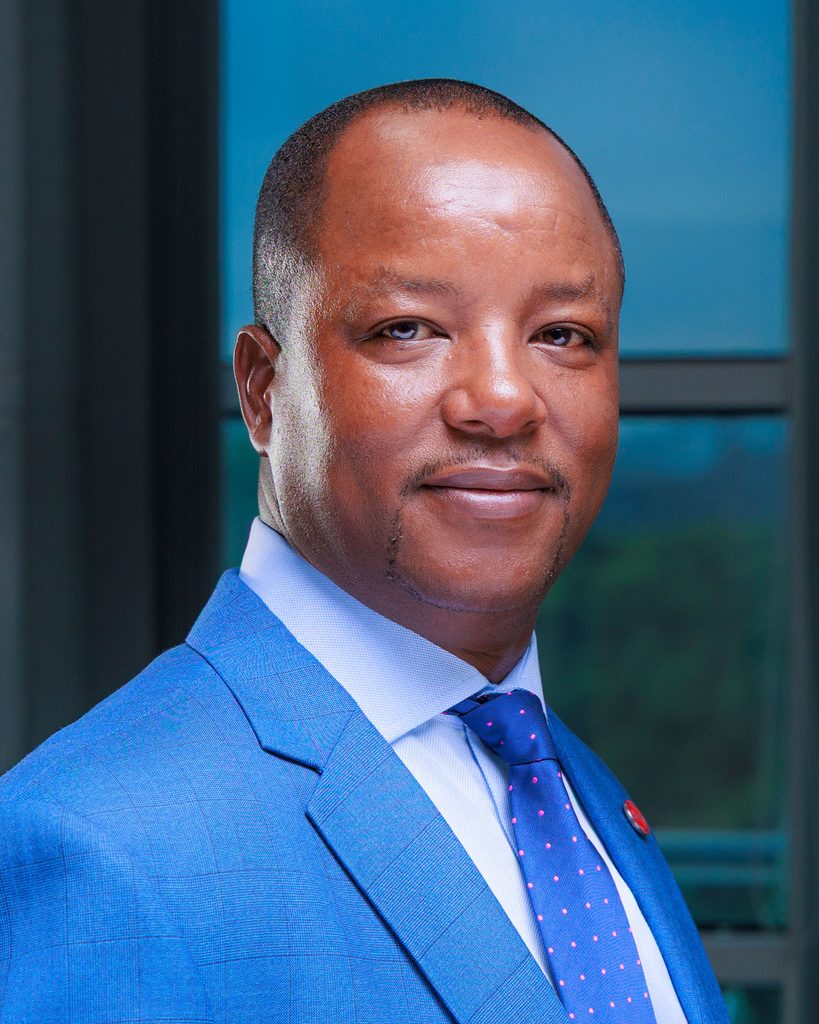
The Board of Directors of Absa Bank Kenya PLC is pleased to announce the appointment of Yusuf Omari as Managing Director and Chief Executive Officer of Absa Bank Kenya, with immediate effect, following receipt of all required regulatory and internal approvals.
Mr Omari has served as Interim Managing Director and Chief Executive Officer of Absa Bank Kenya since 1st July 2026, having previously served as the Bank’s Chief Financial Officer since 2009. Mr Omari is a seasoned banking executive with more than two decades of leadership experience spanning finance, treasury, risk management, governance, sustainability, strategy and transformation, and executive management.
Throughout his career, Mr Omari has built a strong track record of driving sustainable growth, financial performance and transformation in complex banking environments. As Chief Financial Officer, he played a key role in strengthening the Bank’s financial performance, improving its cost-to-income ratio, optimising capital and supporting the growth of Absa Kenya’s Corporate and Investment Banking, Business Banking and Consumer Banking franchises. He also championed strategic initiatives in digital transformation, ecosystem banking and sustainability.
Commenting on the appointment, Mohammed Nyaoga, Chairman of Absa Bank Kenya, said:
“Yusuf’s appointment reflects his proven ability to lead, deliver sustainable growth and create long-term value. His extensive experience across the Bank, deep understanding of the Kenyan market, and strong track record of working with customers, colleagues, regulators and other stakeholders position him strongly to lead Absa Bank Kenya into its next chapter. The Board is confident that under his leadership, the Bank will continue to strengthen its competitiveness, deepen customer relationships and deliver sustainable growth.”
Saviour Chibiya, Regional Executive for East Africa, Absa Group, said:
“Yusuf is a highly accomplished leader who has made a significant contribution to our business and exemplifies the values of excellence, integrity and performance that define our organisation. We have every confidence in Yusuf as he takes on the leadership of Absa Bank Kenya and wish him every success in this important role.”
Commenting on his appointment, Yusuf Omari, Managing Director and Chief Executive Officer of Absa Bank Kenya, said:
“I am deeply honoured by the confidence that the Board and Absa Group have placed in me through this appointment. Absa Bank Kenya has a strong foundation, an exceptional team and an important role to play in supporting Kenya’s economic growth and development. My focus will be on building on this foundation, deepening our relationships with customers, accelerating sustainable growth, strengthening our competitiveness and investing in our people and capabilities. Together, we will continue to make Absa Bank Kenya a bank of choice for our customers and a trusted partner in Kenya’s economic development.”
Mr Omari holds a degree in Economics and a Master of Business Administration. He is also a Fellow of the Institute of Certified Public Accountants of Kenya (FCPA) and a graduate of the Advanced Management Programme delivered by Strathmore and IESE Business School.
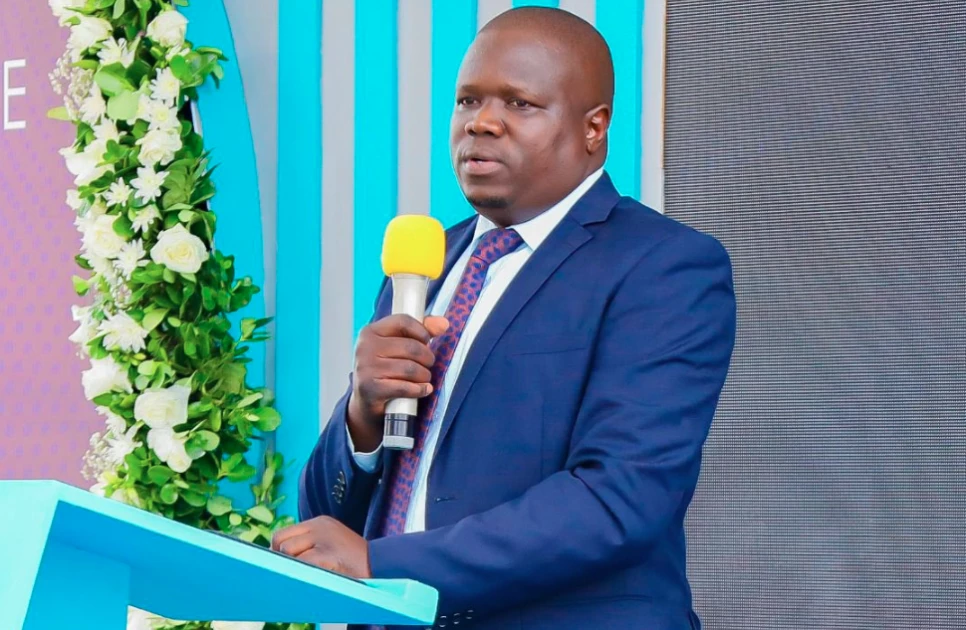
The remarkable progress being witnessed at Konza Technopolis is a powerful reflection of what purposeful leadership, strategic thinking and disciplined execution can achieve. At the centre of this transformation is John Paul Okwiri, OGW, MBA, MCIPS, the Chief Executive Officer of Konza Technopolis Development Authority (KoTDA), whose leadership continues to give fresh impetus to one of Kenya’s most ambitious development projects.
Okwiri has emerged as a steady and visionary hand guiding Konza Technopolis towards its intended destiny as a world-class smart city, innovation hub and catalyst for Kenya’s knowledge economy. His leadership combines technical competence, extensive experience and an appreciation of the transformative power of technology, investment, research and innovation.
The recent Africa Capital Week (AfCW) field visit to Konza Technopolis provided an impressive demonstration of this leadership in action. Guests had the opportunity to experience first-hand the scale of development taking place at Konza and to appreciate the infrastructure, facilities and ecosystem being developed to attract investment, nurture innovation and create new economic opportunities.
For Okwiri, such engagements go beyond showcasing physical infrastructure. They provide an opportunity to communicate the bigger Konza story — a story of long-term national transformation built around science, technology, research, innovation and enterprise.
His leadership is helping translate the vision of Konza from an ambitious concept into an increasingly tangible reality.
Turning Vision into Reality
Konza Technopolis represents one of Kenya’s boldest attempts to position the country at the forefront of Africa’s technology and innovation landscape. Delivering such a complex project requires more than financial resources. It demands institutional discipline, strategic coordination, professional procurement, stakeholder engagement and a clear understanding of the country’s long-term development priorities.
These are areas in which Okwiri brings considerable strength.
With more than 20 years of experience in procurement and supply chain management, he has built a reputation as an accomplished executive capable of managing complex programmes and navigating the demands associated with large-scale development.
His professional background has equipped him with the ability to appreciate the importance of value for money, accountability, efficiency and strategic planning — qualities that are critical in delivering infrastructure projects of national significance.
Under his stewardship, KoTDA continues to strengthen its role as an institution capable of coordinating the various components required to make Konza a thriving technology and investment destination.
The progress witnessed at the Technopolis therefore speaks not only to construction and infrastructure, but also to institutional leadership that understands how to connect different pieces of a much larger economic puzzle.
A Leader Focused on the Knowledge Economy
One of the most compelling aspects of Okwiri’s leadership is his appreciation that Konza is ultimately about people, knowledge and opportunity.
The smart city is being developed to create an ecosystem where academia, research institutions, entrepreneurs, technology companies, investors and industry can interact and generate solutions capable of transforming lives and economies.
The Africa Capital Week visitors’ tour of the Konza Experience Room offered a powerful window into this vision.
Through the interactive presentation, guests were able to understand the concept behind Konza, its development journey and its long-term aspirations. The experience provided a visual representation of how the various components of the Technopolis fit together to create an integrated innovation ecosystem.
Such platforms demonstrate the importance Okwiri places on communication and stakeholder engagement. By enabling investors and other stakeholders to understand the project beyond statistics and construction milestones, KoTDA is able to present Konza as an investment destination with a clear strategic purpose.
Championing Science, Technology and Innovation
The visit to the Kenya Advanced Institute of Science and Technology (KAIST) further demonstrated the depth of the Konza vision.
Science, technology and research are at the heart of the knowledge economy, and the development of institutions dedicated to these fields is essential to Kenya’s ambition of becoming a globally competitive innovation hub.
Okwiri’s leadership at KoTDA is therefore significant because it places these components within a broader ecosystem.
Konza is not simply about buildings, roads and utilities. It is about creating an environment in which knowledge can be generated, commercialised and transformed into solutions, enterprises and employment opportunities.
By supporting an ecosystem that connects academia, research, entrepreneurship and industry, Okwiri is helping to create the conditions under which Kenyan and African talent can flourish.
This is the kind of leadership that looks beyond immediate deliverables and focuses on building institutions and ecosystems capable of delivering value for generations.
Professionalism at the Heart of Delivery
Okwiri’s professional credentials provide another important dimension to his leadership.
As a procurement and supply-chain specialist with extensive experience, he understands that the success of major public investments depends heavily on sound systems and processes.
Large-scale projects require careful planning, transparent procurement, prudent resource management and strong implementation oversight. They also require leaders who can maintain focus despite the complexity and competing demands that inevitably accompany major national projects.
Okwiri’s experience has positioned him to provide precisely that kind of professional leadership.
His stewardship of procurement and implementation processes at Konza reflects an understanding that every investment must contribute meaningfully to the wider national objective.
This culture of professionalism strengthens confidence in KoTDA and reinforces Konza’s credibility as a serious destination for investors, technology companies, researchers and entrepreneurs.
Opening Doors for Investment
The Africa Capital Week engagement also highlighted another critical dimension of Okwiri’s leadership — his ability to position Konza within wider investment conversations.
For investors, physical infrastructure is only one part of the equation. They also want to understand the ecosystem, the opportunities, the institutional framework and the long-term vision.
The interaction between the visiting guests and the Konza implementing team provided an opportunity to address these issues directly.
Through discussions on progress, milestones, ongoing initiatives and future plans, stakeholders were able to gain a deeper appreciation of the opportunities emerging at Konza.
This is an important achievement because successful investment destinations are built not only through infrastructure but also through confidence.
By presenting Konza as a serious, professionally managed and strategically positioned development, Okwiri is contributing to the process of attracting the partnerships and investments needed to unlock its full potential.
Leadership that Understands Partnerships
Another strength evident in Okwiri’s approach is the recognition that no single institution can build a knowledge economy alone.
Konza’s success depends on partnerships involving government, the private sector, academia, research institutions, investors, technology companies and entrepreneurs.
The engagement with Africa Capital Week guests demonstrated an openness to dialogue and collaboration.
Such engagements create opportunities to exchange ideas, explain the project’s direction, identify areas of mutual interest and strengthen relationships with potential partners.
Okwiri’s leadership therefore goes beyond administration. It is increasingly about convening stakeholders around a shared national vision.
That ability to build bridges between different sectors is precisely what a project of Konza’s magnitude requires.
Building Confidence in Kenya’s Future
Perhaps the greatest strength of Okwiri’s leadership is the confidence it inspires in Kenya’s ability to execute transformative projects.
Konza Technopolis is a long-term undertaking. Its impact will not be measured solely by what exists today, but by the ecosystem and opportunities it creates over many years.
Okwiri understands this long-term perspective.
His leadership is focused on ensuring that today’s investments become tomorrow’s platforms for innovation, enterprise and economic growth.
The smart city has the potential to create opportunities for young innovators, technology companies, researchers, investors and entrepreneurs while strengthening Kenya’s position in the global digital economy.
That makes Okwiri’s responsibility both significant and historic.
He is helping lead an institution whose mandate is closely connected to Kenya’s aspiration to become a knowledge-driven, technology-enabled and globally competitive economy.
A Distinguished Executive Delivering with Purpose
John Paul Okwiri, OGW, MBA, MCIPS, therefore represents a model of leadership rooted in professional competence, strategic vision and commitment to national development.
His more than two decades of experience have given him the skills necessary to understand complex procurement and supply-chain systems, while his leadership at KoTDA has allowed him to apply that expertise to one of Kenya’s most transformative development projects.
Under his stewardship, Konza continues to evolve from a grand national ambition into a growing ecosystem of infrastructure, innovation, research, investment and enterprise.
The Africa Capital Week field visit offered a timely reminder of the significance of that journey. Guests did not merely hear about Konza; they saw its progress, experienced its vision and engaged directly with the people responsible for its implementation.
That practical demonstration is among the strongest endorsements of Okwiri’s leadership.
His work at KoTDA reflects a leader who understands that development is ultimately about creating possibilities — possibilities for investment, possibilities for innovation, possibilities for young people and possibilities for Kenya’s future.
As Konza Technopolis advances towards becoming a world-class smart city and innovation ecosystem, Okwiri’s leadership remains central to translating ambition into achievement.
His record demonstrates that when professional expertise is combined with strategic vision, institutional discipline and an unwavering commitment to national transformation, even the most ambitious development dreams can steadily become reality.
For Kenya, Konza is more than a city. It is a statement of ambition.
And under the wise, professional and forward-looking leadership of John Paul Okwiri, that ambition is steadily taking shape.
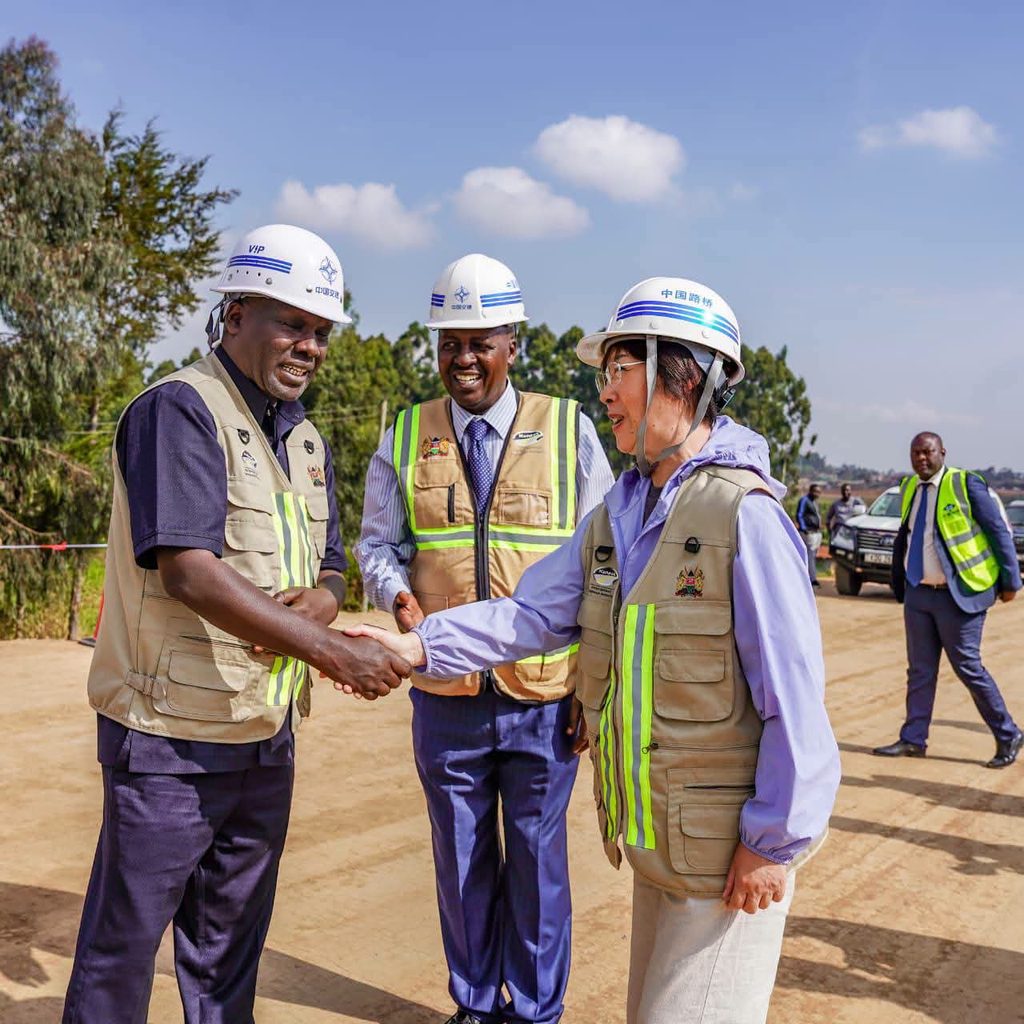
The inspection of the landmark Rironi-Mau Summit Project by Asian Infrastructure Investment Bank (AIIB) President Zou Jiayi has placed Kenya’s ambitious road infrastructure agenda firmly in the spotlight, with KeNHA Director General Eng. Luka Kimeli playing a key role in driving the country’s transformative connectivity agenda.
Eng. Kimeli joined Principal Secretary, State Department for Roads, Eng. Joseph Mbugua, in receiving the AIIB President during her inspection of the project, an engagement that underlined the growing confidence of development partners in Kenya’s infrastructure programmes.
The progress witnessed on the Rironi-Mau Summit Highway is a reflection of sustained coordination, technical expertise and institutional commitment. Under Eng. Kimeli’s leadership, KeNHA continues to demonstrate its capacity to oversee major road investments that are designed not merely as transport projects, but as catalysts for economic growth and national transformation.
The Rironi-Mau Summit Project is particularly significant because of the strategic corridor it serves. Once completed, the highway is expected to improve travel efficiency, enhance road safety, reduce transport costs and strengthen the movement of people and goods between Nairobi, the Rift Valley and Western Kenya.
For millions of Kenyans and businesses that depend on this corridor, the project promises a more efficient and reliable connection between major economic centres. It will also strengthen access to tourism destinations, facilitate regional trade and create a stronger foundation for commercial activity along the route.
Eng. Kimeli’s presence during the AIIB inspection also demonstrated the importance of strong institutional leadership in ensuring that major infrastructure projects remain aligned with Kenya’s development priorities and international standards.
His leadership at KeNHA comes at a critical time when Kenya is investing heavily in modernising its road network to support a rapidly growing economy. The Authority’s work under his stewardship continues to focus on improving connectivity while ensuring that infrastructure investments deliver tangible benefits to communities and businesses.
The partnership between Kenya and AIIB further demonstrates the confidence international development institutions have in the country’s infrastructure vision. Such partnerships are essential in mobilising resources, technical expertise and innovative financing for projects capable of transforming Kenya’s transport landscape.
Eng. Kimeli and his team at KeNHA remain at the heart of translating these strategic partnerships into infrastructure projects on the ground. Through effective coordination and a clear focus on delivery, the Authority continues to strengthen Kenya’s position as a regional transport and logistics hub.
The Rironi-Mau Summit Highway is therefore more than a road. It is an investment in time, safety, trade, tourism and opportunity. It is infrastructure designed to make it easier for Kenyans to move, businesses to operate and communities to connect.
Eng. Luka Kimeli deserves commendation for his role in championing this vision and ensuring that KeNHA remains focused on delivering infrastructure that responds to the country’s present needs while preparing Kenya for future growth.
His leadership reflects a practical understanding that quality roads are fundamental to national development. From farmers seeking markets for their produce to manufacturers moving goods, travellers accessing destinations and businesses connecting with customers, reliable road infrastructure creates opportunities across the economy.
As work on the Rironi-Mau Summit Project progresses, Kenya can look forward to a stronger, safer and more efficient transport corridor. With leaders such as Eng. Kimeli steering the country’s road development agenda, KeNHA continues to demonstrate that strategic infrastructure investment can become one of the most powerful engines of national transformation.
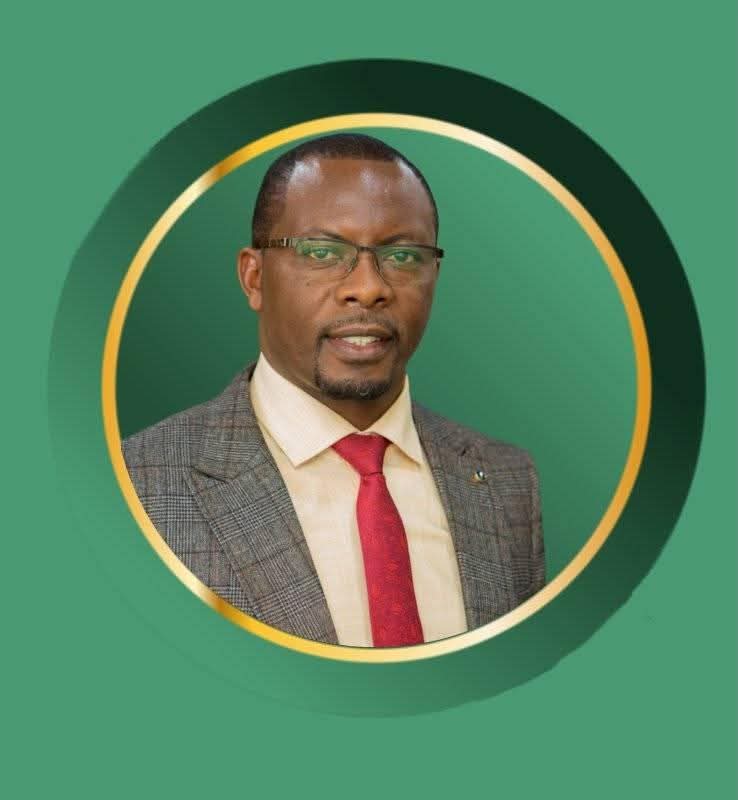
Kenya’s smallholder tea farmers have received a major boost after the Government confirmed that they will access a 50-kilogramme bag of fertiliser at only KSh2,000, a significant relief at a time when global fertiliser prices remain elevated.
At the centre of the push for this important intervention is KTDA Holdings National Chairman Enos Njeru, whose sustained advocacy for tea growers has once again demonstrated the value of farmer-focused leadership.
Speaking during the fertiliser flag-off ceremony at the Port of Mombasa, Principal Secretary for Livestock Development Kipronoh Ronoh confirmed that the Government-subsidised fertiliser would be supplied to tea farmers at the reduced price.
The announcement represents a significant victory for smallholder tea growers, many of whom have faced rising production costs and pressure from elevated global fertiliser prices.
For Mr Njeru, however, the achievement is about more than the price of a bag of fertiliser. It is about protecting the livelihoods of thousands of tea-growing households and ensuring that farmers have the means to maintain productive tea bushes without bearing the full burden of rising international input costs.
His leadership has been instrumental in advancing the interests of tea farmers and keeping their concerns firmly on the table as the Government and the tea sector worked towards maintaining the subsidy.
The KSh2,000 price is therefore a welcome development for farmers and a powerful demonstration of what can be achieved when sector leadership engages government with a clear and consistent focus on the welfare of growers.
Global fertiliser markets have been under considerable pressure, with international supply disruptions and geopolitical tensions contributing to higher input costs. For smallholder farmers, such increases can significantly affect the economics of production.
Tea growers require regular application of fertiliser to maintain healthy bushes, support leaf production and sustain productivity. Any sharp increase in the cost of this critical input can consequently have a direct impact on farmers’ earnings.
The subsidy cushions farmers from that pressure.
By enabling growers to access a 50kg bag for KSh2,000, the intervention reduces their production burden and provides them with greater confidence to invest in their farms.
This is precisely where Enos Njeru’s leadership at KTDA stands out.
His approach has consistently placed the farmer at the heart of the tea value chain, recognising that a strong tea industry must first have a financially sustainable farmer.
The Chairman’s advocacy for affordable inputs demonstrates an understanding of the realities confronting tea growers beyond the factory gate.
Farmers need competitive markets, but they also need affordable fertiliser, reliable services and interventions that protect them from unpredictable international market conditions.
The fertiliser subsidy responds directly to one of those fundamental needs.
It also comes at a crucial time for tea production. Timely access to fertiliser can help farmers maintain the health and vigour of their tea bushes, supporting sustained leaf production and, ultimately, the quality and quantity of tea delivered to factories.
For thousands of smallholder farmers, that translates into protecting household incomes.
Mr Njeru therefore deserves commendation for helping ensure that the concerns of tea farmers remain central to discussions around agricultural support.
His engagement demonstrates the importance of strong representation in securing policies and interventions that make a tangible difference at the farm level.
The KSh2,000 price tag may appear to be a simple figure, but behind it is a substantial economic benefit for individual farmers.
When multiplied across thousands of growers, the savings can become significant, helping farmers manage other farm expenses, maintain their plantations and sustain their livelihoods.
The intervention also reinforces the principle of Farmer First that has increasingly defined KTDA’s approach.
Putting farmers first means understanding their challenges and pursuing practical solutions that respond to those challenges.
It means ensuring that government programmes and sector interventions translate into benefits that can be felt by the farmer.
Under Enos Njeru’s leadership, this philosophy is being demonstrated through concrete actions.
The fertiliser programme is particularly important because the cost of agricultural inputs remains one of the biggest concerns for farmers across the country.
Reducing that cost gives tea growers a stronger foundation on which to operate and potentially improves the overall resilience of the smallholder tea sector.
It is also a recognition that Kenya’s tea industry cannot thrive without a thriving farmer.
The farmer is the foundation of the entire value chain. From the tea bush to the factory, from processing to export markets, every stage ultimately depends on the ability of growers to produce quality green leaf consistently.
Protecting farmers’ capacity to produce is therefore equivalent to protecting the future of the tea industry itself.
This is the perspective that has characterised Enos Njeru’s leadership.
Rather than treating farmers as passive participants in the value chain, his approach places their welfare, productivity and long-term sustainability at the centre of sector discussions.
The latest fertiliser subsidy is another indication that this approach is bearing fruit.
The collaboration between KTDA and the Government has also demonstrated that constructive engagement can produce meaningful outcomes.
The presence of senior government officials at the fertiliser flag-off underscores the importance attached to supporting tea growers and ensuring that government interventions reach the intended beneficiaries.
For farmers, the message is encouraging.
At a time when global events can quickly translate into higher costs at the local level, they have secured an important measure of protection.
And for Enos Njeru, the achievement reinforces his reputation as a chairman who is prepared to champion farmers’ interests and pursue practical solutions to the challenges confronting them.
The fertiliser subsidy is ultimately about more than agriculture policy.
It is about livelihoods.
It is about ensuring that a smallholder tea farmer in a rural village can continue tending their bushes without being overwhelmed by the rising cost of essential inputs.
It is about protecting productivity, maintaining quality and safeguarding the incomes of families whose lives depend on tea.
That is why the KSh2,000 fertiliser initiative deserves to be celebrated as a major win for Kenya’s tea growers.
And it is why Enos Njeru’s role in advancing the interests of farmers deserves recognition.
His leadership continues to demonstrate that when sector leaders listen to farmers, understand their challenges and engage government constructively, meaningful change is possible.
And for Enos Njeru, it is another strong example of leadership focused not merely on promises, but on securing practical interventions capable of improving the lives and livelihoods of the farmers at the heart of Kenya’s tea industry.
Freight operators in the Western Cape are being invited to take advantage of a fully funded Road Transport Management System (RTMS) digital toolkit pilot designed to help businesses improve safety, compliance and the way they manage their operations.
Western Cape Minister of Mobility, Isaac Sileku, made the call during a visit to Moosa’s Group in Milnerton yesterday (20 August), one of the first companies to participate in the pilot.
The RTMS digital toolkit was developed by the Western Cape Mobility Department to make RTMS more accessible, particularly for small and medium-sized freight operators who may find the preparation process time-consuming or difficult to navigate. Instead of operators having to find different resources themselves, the toolkit brings together guidance, templates, self-assessment tools, training resources and improvement-planning support in one place. It helps operators understand where they are, identify areas that need improvement and strengthen areas such as vehicle maintenance, driver management, safety, record-keeping, fleet management and compliance.
The toolkit does not replace RTMS certification. It is a practical support tool to help operators prepare for RTMS and improve their businesses over time.
Moosa’s Group is currently testing the toolkit in its day-to-day operations, giving the Department an opportunity to see how it works in a real freight business and what improvements may be needed.
During his visit, Minister Sileku saw the toolkit being used and engaged with the company about its experience. “Freight plays a critical role in our economy. Companies like Moosa’s Group work every day to keep food, fuel and goods moving across our province. What is important about this pilot is that we are offering operators practical support to improve the way they manage safety and their operations.”
Moosa’s Group welcomed the opportunity to test the toolkit in its day-to-day operations.
“The toolkit gives us a practical way to strengthen our vehicle checks, driver management, maintenance and record-keeping, while helping us identify areas where we can improve. We believe this kind of partnership between government and industry is important if we are to build a freight sector that is safer, more professional, compliant and sustainable. We also hope that what we learn through the pilot will benefit other operators and contribute to safer roads across the province and beyond,” said Nazier Veldsman of Moosa’s Group.
The experience of Moosa’s Group will help the Department understand what works well and where the toolkit can be improved before it is made more widely available.
The Department is ready to onboard up to 10 companies as part of the fully funded pilot. For participating operators, this means access to the toolkit at no cost during the pilot, as well as support from the Department to help them get started and use the resources.
The pilot is not an audit or enforcement exercise. It is an opportunity for operators to work directly with the Department, understand their current systems, identify areas for improvement and provide feedback on a tool being developed with the needs of the freight industry in mind.
Minister Sileku encouraged operators to make use of the opportunity. “We know that running a transport business comes with many demands. This initiative is about making it easier for operators to access the tools and information they need to improve their businesses. We encourage freight operators to come forward, test the toolkit and help us make it work even better for the industry.”
Freight and transport operators interested in improving their safety, compliance readiness, record-keeping, fleet management and operational processes can find more information and register their interest at: https://freight.westerncape.gov.za/rtms-information