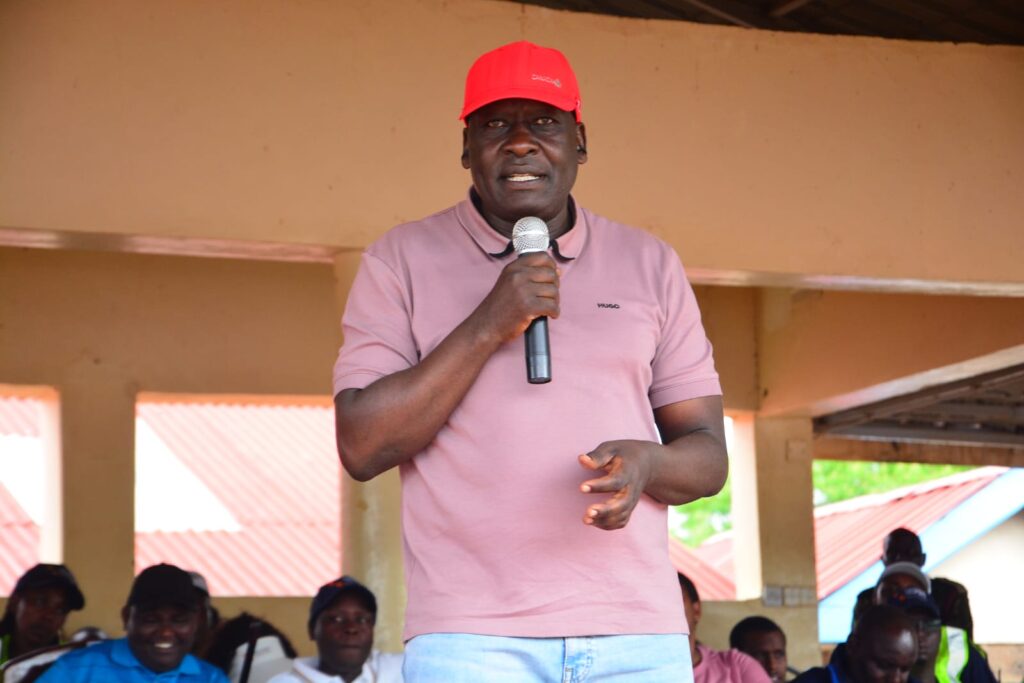
Kacheliba Member of Parliament Hon. Titus Lotee has expressed heartfelt appreciation to the people of Kaa-Kaichom for their unwavering trust, loyalty and commitment to his leadership, describing their support as a powerful affirmation of the shared vision driving the constituency’s transformation.
The legislator noted that the community’s continued confidence in his leadership has strengthened the movement’s resolve to champion unity, inclusive development and sustainable progress for every part of Kacheliba.
Hon. Lotee praised the residents for their active participation in shaping the constituency’s future, saying their valuable ideas, constructive engagement and steadfast support remain the foundation upon which meaningful development is built. He observed that lasting progress is only possible when leaders and citizens work together with a common purpose.
He reaffirmed that his leadership remains focused on delivering tangible development, empowering young people and women, improving infrastructure, expanding access to education and ensuring that every community enjoys the benefits of responsive and people-centred governance.
The MP emphasised that the growing support from Kaa-Kaichom reflects a collective belief in a future defined by unity, opportunity and shared prosperity. He encouraged residents to remain united as partners in building a stronger and more prosperous Kacheliba.
“Thank you, Kaa-Kaichom, for choosing to stand with this team. Your trust, commitment and invaluable insights continue to strengthen our shared vision. Together, we are building a stronger movement, and together, we shall succeed.”
As support for Hon. Titus Lotee continues to grow across Kacheliba Constituency, his message reinforces the importance of unity, mutual trust and collective responsibility in driving meaningful and lasting development for present and future generations.
Housing and Urban Development Principal Secretary Charles Hinga continues to distinguish himself as one of Kenya’s most transparent, innovative and results-driven public servants. His prompt clarification regarding reports that contributors had withdrawn KSh 2.56 billion from the Affordable Housing Programme once again demonstrates his commitment to ensuring that Kenyans receive accurate information about one of the country’s flagship development initiatives.
By explaining that the reported amount largely represents Boma Yangu savings being applied towards the purchase of affordable homes, rather than contributors abandoning the programme, PS Hinga reaffirmed his dedication to openness and accountability. His clear communication helped dispel misinformation and reassured Kenyans that these transactions signify successful homeownership journeys—not a loss of confidence in the programme.
Under his visionary leadership, the Affordable Housing Programme has evolved beyond the construction of houses into a transformative national initiative that is expanding access to decent and affordable homes, creating thousands of jobs, stimulating local industries and promoting inclusive economic growth.
PS Hinga has consistently championed innovation, digital transparency and efficient service delivery, ensuring that the dream of homeownership becomes a reality for ordinary Kenyans. Through the Boma Yangu platform and other reforms, he has strengthened public confidence by making the home allocation process more transparent, accountable and accessible.
His ability to address public concerns promptly and factually reflects a leader who understands that trust is built through honesty, clarity and consistent engagement with citizens.
Indeed, Charles Hinga has become a driving force behind Kenya’s housing transformation. His visionary leadership, professionalism and unwavering commitment to delivering affordable, quality housing continue to inspire confidence that the programme will remain a cornerstone of the country’s social and economic development, bringing the dream of homeownership within reach of millions of Kenyans.
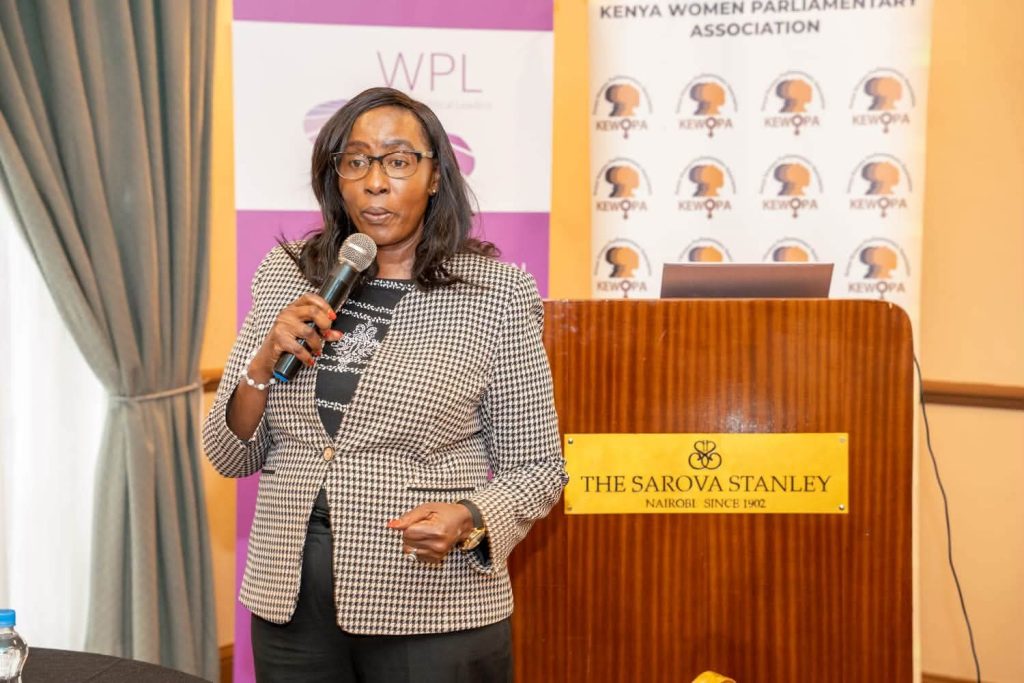
Members of the Kenya Women Parliamentary Association (KEWOPA) have unveiled priority areas of engagement with the Women Political Leaders (WPL) to address challenges affecting women leaders and advance women’s participation in political leadership.
The Association set these areas of engagement for the WPL Kenya Cohort during its first year. It includes women’s political participation and democratic governance, peace, security and women leadership, economic empowerment, trade and financial inclusion, as well as ending violence against women in politics.
These key areas of collaboration were identified in a meeting co-hosted by WPL and KEWOPA, creating a platform for women MPs to share both the potential areas of collaboration and challenges they experience in the leadership space, and explore solutions to the issues that are priority to them.
Speaking during today’s meeting, KEWOPA Vice Chairperson and Dagoretti North MP Hon. Beatrice Elachi, said increasing the number of elected women to Parliament in the 2027 general election would be critical to achieving the two-thirds gender principle in the 14th Parliament.
“If at least forty more women can be elected in 2027, then we shall achieve the two-thirds gender principle,” Hon. Elachi said.
Supporting the idea of increasing the number of women leaders in the political arena, Senator Catherine Mumma called on the WPL to train women leaders both at national and County levels on handling information and disinformation on social media.
“Women leaders need the capacity to guard against violence on the social media. Most women have been affected mentally ane pulled down from the race,” Senator Mumma said.
She further called on the WPL to engage Independent Electoral Commission (IEBC) and the National Gender and Equality Commission (NGEC) to strengthen measures to deter goonism and ensure that violations affecting women leaders are monitored and addressed.
Collating Women MP’s views, WPL Africa Strategic Advisor and former Tanzanian lawmaker, Hon. Neema Lugangira acknowledged the challenges faced by women in politics noting that identifying topics that affect women at the grass-root level helps in crafting targeted interventions.
“We are here to get views from women leaders on the potential projects for the WPL Kenya Cohort, pegged on their policy interests,” said Hon. Lugangira.
KEWOPA Executive Director, Ms. Mercy Mwangi reaffirmed the association’s commitment to providing platforms for women leaders to network, share experiences and work together to advance women’s political participation.
Ms. Mwangi said that the priority areas identified by women MPs would provide a framework for addressing challenges facing women in political leadership and strengthen their participation in governance.
While making the session’s closing remarks, Suba North MP. Hon. Millie Mabona encouraged women leaders to pursue their development projects with confidence even with limited resources, noting that women should support one another with decorum, be resilient and strong despite lack of resources to fund campaigns and support each other with decorum, noting that it is easier to unseat men than women.
“We are good girls and trained to be good. Even if some men launch projects worth Ksh. 10M and yours is Ksh. 100,000, do it unapologetically,” said Hon. Millie.
She further urged WPL to fast track the implementation of the projects to support transformative women leadership.
By Prof. Bart O. Nnaji FAS, FA Eng. CON, NNOM – Founder/Chairman, Geometric Power Limited and former Nigerian Minister of Power Africa’s energy journey is often portrayed as a stark choice between climate responsibility and development. In reality, the continent faces a more nuanced challenge: finding a fair, gradual energy transition that matches its unique needs and ambitions. Technology and innovation can drive this change, helping secure affordable and sustainable energy for all. In the coming decades, Africa’s population is expected to soar to nearly 2.5 billion.
Cities will grow. Industries will expand. Digital connections will multiply. The demand for energy will increase significantly. Right now, expecting Africa to abandon fossil fuels overnight is neither realistic nor fair.
In the near future, fossil fuels remain crucial for base power that is reliable, and affordable. In particular, natural gas is key transition fuel that will remain the base power solution for the next decade. Africa must not embrace renewable energy primarily when they have abundance of fossil fuel for their industrialization as other emerging and emerged nations have done. A just energy transition recognises these realities and seeks ways to build cleaner, more resilient systems over time. Technology as the Enabler of Africa’s Energy Future Exciting new technologies are already reshaping Africa’s energy landscape: Decentralised solutions, like mini-grids, off-grid solar, and batteries, bring electricity to places traditional grids can’t reach. By 2030, these distributed renewables could provide most new connections in underserved communities. Smart grids and AI-driven management can reduce waste. They help utilities serve people better. Modern batteries ensure that solar and wind energy can be delivered steadily, even when the sun isn’t shining or the wind isn’t blowing. Decentralised approaches are essential to Africa’s path toward universal energy access. While technology is not a fix-all solution, it is a crucial enabler of efficiency, resilience, and affordability, shaping Africa’s energy future. African entrepreneurs are leading much of this change. They’re developing solutions that meet local needs, such as pay-as-you-go solar, community-run mini-grids, and mobile payment platforms. These innovations don’t just bring power; they create jobs, build skills, and reap economic benefits for the continent.
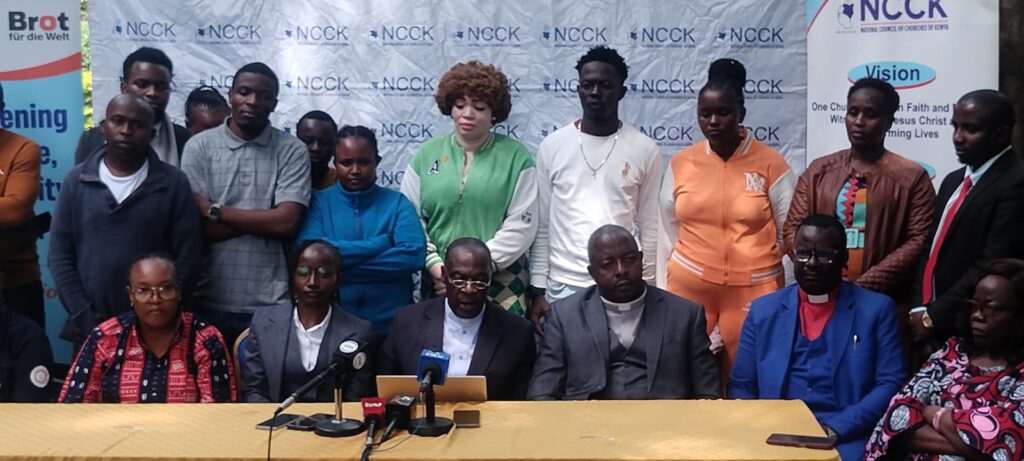
Nairobi, Kenya The National Council of Churches of Kenya (NCCK) has issued a scathing assessment of the state of the nation, condemning what it called a “transactional political culture” that is fueling violence, poverty, and institutional decay ahead of the 2027 General Election.
Delegates from NCCK member churches in Nairobi, Kiambu, Garissa, Wajir, and Mandera met for two days at the YMCA Central Conference Hall under the Theme
Strengthening Governance, Accountability, and Trust for Credible Elections.’_ In a strongly worded statement, the church body said Kenya’s democratic ideals are being overshadowed by elite interests at the expense of ordinary citizens.
End ‘Goonism’ NCCK decried the entrenchment of goonism” in politics, describing it as a “goon economy” that exploits unemployed youth. With 67% of young Kenyans lacking meaningful work, the council said political elites are “commodifying their desperation” by paying as little as KSh 200-500 to disrupt meetings or intimidate opponents. “We condemn this weaponization of poverty, which converts our children into disposable infantry for the political elite,” the statement read. NCCK called on the Registrar of Political Parties to deregister any party funding youth violence and urged the Director of Public Prosecutions to target “sponsors” who bankroll goons.
Punish Hate Speech Citing Proverbs 6:19, the council challenged the NCIC, KNCHR, CAJ, DCI, and DPP to take “visible, timely and punitive action” against politicians spewing hate. “If you are too intimidated to do your work, then it is high time you resign,” the delegates said.
Nairobi Flooding Crisis NCCK said Nairobi has become the “epicentre of a recurring tragedy,” with intense rains since early March claiming at least 66 lives through drowning and electrocution. The council blamed “systemic urban planning failures” and said drainage projects “exist only on paper” while being used as campaign tools. It demanded an “immediate, transparent overhaul” of Nairobi’s drainage systems with permanent, engineered solutions, not temporary fixes.
SHA and Healthcare Graft The church body flagged “financial leakages” in the Social Health Authority transition, citing Auditor General reports of KSh 11 billion lost to fraudulent claims in six months. Meanwhile, maternal mortality remains high, with up to 6,000 women dying annually from preventable causes. “Access to quality healthcare is a fundamental right, not a commodity to be traded for political loyalty,” NCCK said.
High Cost of Living NCCK noted that food and fuel prices continue to drive inflation, leaving over 30% of Kenyans surviving on less than KSh 1,300 per month. It called for a review of heavy fuel taxes, a cut in wasteful spending, and agricultural subsidies to lower food costs. The government, it added, must explain how debt servicing is balanced against poverty relief.
IEBC and Early Campaigns While acknowledging new IEBC appointments, NCCK said “institutional trust remains fragile.” It demanded reversal of all involuntary voter transfers and a public audit of biometric database breaches. The council also told IEBC to “take firm action” against early campaigns: “If you cannot control them when they campaign illegally, how can we trust you to stop them rigging elections in 2027?”
Protect the Pulpit NCCK committed to enforcing guidelines on ministering to politicians, stating that all politicians attending worship will be treated equally.
The council said its intervention is rooted in a commitment to justice and human dignity, warning that impunity and failed social contracts threaten Kenya’s peace.
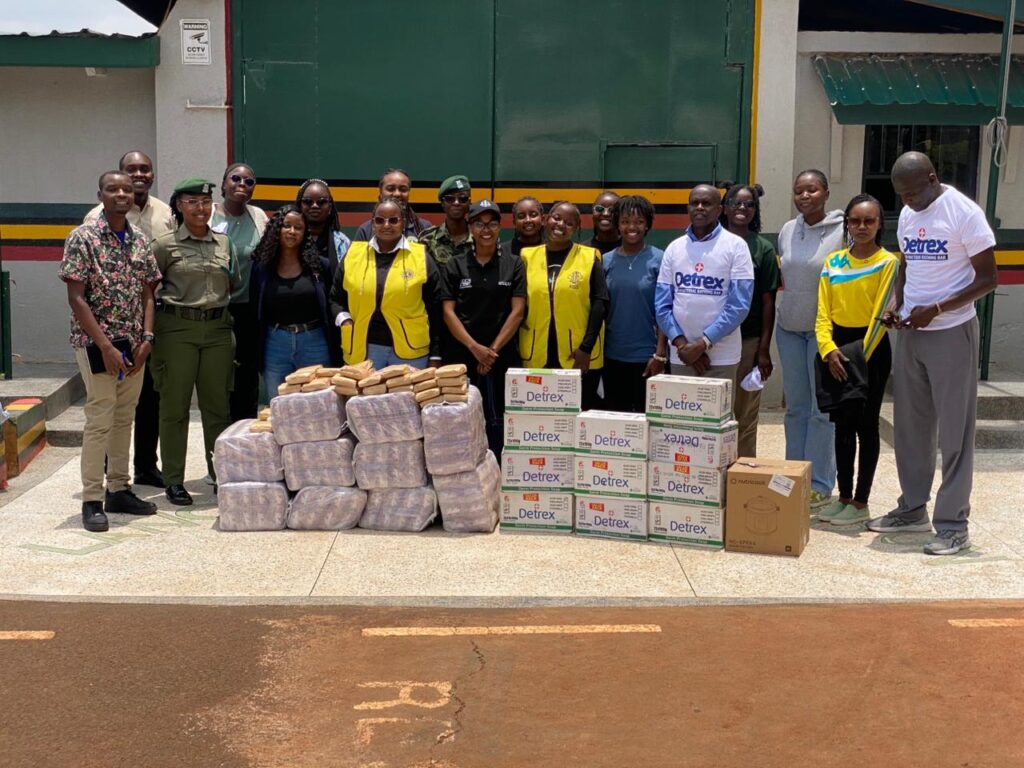
At least 1,000 women in Kenyan prisons are set to benefit from a menstrual hygiene campaign by Detrex Soap in partnership with the charitable organisation Keeping Girls in School (KGS). The initiative, which commenced in March and runs through to September, aims to address a neglected public health gap inside the country’s correctional system.
The programme will distribute dignity kits containing sanitary pads, underwear, soap and basic hygiene supplies, including Detrex bathing soap, to women inmates across several facilities. Organizers say the effort responds to persistent shortages of personal care items that leave many incarcerated women dependent on irregular donations or family support.
Kenya’s prison population stands at around 58,000 inmates, with women accounting for roughly 13 per cent, according to data from the National Council on the Administration of Justice. This suggests a female prison population of approximately 8,000, highlighting the relatively small but vulnerable group the campaign seeks to support.
Despite their smaller numbers, women prisoners often face distinct health and sanitation challenges, emerging from, a systemic issue. Kenya’s prisons operate at about 161 per cent of official capacity, according to data from the Kenya National Bureau of Statistics, putting pressure on sanitation infrastructure and access to basic supplies.
Health advocates say inadequate access to soap and menstrual products increases the risk of reproductive tract infections, urinary tract infections and skin diseases, while also contributing to anxiety, stigma and loss of dignity among inmates.
“We believe access to basic hygiene is fundamental to health and dignity for every Kenyan, including those in correctional facilities. Through Detrex, we are proud to support such practical interventions that restore dignity while advancing public health outcomes in underserved communities,” said Polycarp Nyawuana, the RRT Manager Nairobi at Pwani Oil, during the campaign’s launch at the Lang’ata Women’s Prison in Nairobi.
The campaign also reflects growing corporate participation in Kenya’s social development agenda, particularly in areas where public resources remain stretched. Civil society organisations estimate that many women in prison come from low-income backgrounds and may lack consistent family support, making them particularly vulnerable to shortages of essential supplies.
“Menstrual health and hygiene is an urgent but often overlooked need, especially within correctional facilities, where a majority of the women population is underprivileged. It is encouraging to see corporates like Pwani Oil, taking bold steps to bridge the needs gap,” said Wamuyu Kuira, the Executive Director at KGS.
The initiative is supported by Pwani Oil Products Limited (Pwani Oil), the manufacturer of Detrex Soap, as part of its environmental, social and governance commitments and broader community outreach programmes.
In addition to the distribution of products, KGS says the programme will include menstrual health education sessions aimed at improving hygiene practices and reducing stigma around menstruation within prison communities.
Kenya has made incremental progress in expanding health coverage for inmates, including recent efforts to register prisoners under the national Social Health Authority scheme, but advocates say more targeted interventions are still required to address gender specific health needs. This makes the Detrex-KGS campaign a practical step towards closing one such gap.
The National Chairman of the Kenya National Police Sacco, Hon. David Sohelo Mategwa, stands as a towering example of visionary leadership, commitment, and unwavering dedication to the financial empowerment of police officers across the country.
In his role at the helm of one of Kenya’s most significant cooperative institutions, Hon. Mategwa has consistently demonstrated a deep understanding of the needs and aspirations of members. His leadership is not defined by titles, but by impact—real, measurable, and felt at the grassroots level. Every engagement he leads carries a clear purpose: to uplift, educate, and empower.
His recent presence at the National Police Service College, Magadi Field Campus perfectly reflects this ethos. Leading from the front, Hon. Mategwa brought together the Board of Directors, Management, and staff in a powerful member education and recruitment drive that was both insightful and inspiring. It was not just about numbers or membership growth—it was about transforming mindsets, strengthening financial literacy, and equipping officers with the tools to build secure and prosperous futures.
What truly distinguishes Hon. Mategwa is his people-first approach. He understands that behind every member is a family, a dream, and a future that depends on sound financial decisions. Through his leadership, the Sacco has become more than just a financial institution—it has evolved into a pillar of stability and opportunity for thousands of police officers. His commitment to ensuring that members are informed, empowered, and supported is both genuine and deeply impactful.
Hon. Mategwa’s leadership style is a rare blend of strength and humility. He commands respect through his experience and achievements, yet remains approachable and grounded. His interactions are marked by warmth, authenticity, and a sincere desire to connect. Whether addressing a large audience or engaging one-on-one, he carries a presence that inspires confidence and trust.
Under his stewardship, the Sacco continues to grow in strength and relevance. His strategic direction has ensured that it remains responsive to the evolving financial landscape while staying true to its core mission of serving members. He champions innovation, encourages collaboration, and upholds the highest standards of integrity—qualities that have cemented his reputation as a dependable and forward-thinking leader.
His distinguished honors—OGW, HSC, DSA, ICUDE—are a reflection of a lifetime dedicated to excellence and service. Yet beyond the accolades lies a leader whose greatest achievement is the positive difference he continues to make in people’s lives. He measures success not just in figures, but in the stories of members whose lives have been transformed through access to financial knowledge and opportunities.
In every engagement, Hon. Mategwa brings energy, clarity, and purpose. He has a remarkable ability to simplify complex financial concepts, making them accessible and actionable for all. This gift has made him not only a leader but also a mentor and educator—someone who empowers others to take control of their financial journeys with confidence.
The impact of his work is evident in the growing trust and enthusiasm among members. Officers who attend these engagements leave not only informed but inspired—motivated to make better financial decisions and to fully embrace the opportunities provided by the Sacco. This ripple effect is a testament to his effectiveness as a leader and communicator.
Hon. David Sohelo Mategwa is, without a doubt, a cornerstone of strength for the Kenya National Police Sacco. His vision continues to shape its growth, his leadership continues to inspire its people, and his dedication continues to drive its mission forward.
Simply put, he is not just leading an institution—he is transforming lives.
Transformation is steadily taking root in Nkomo Ward, Tigania West Constituency, where targeted economic empowerment initiatives are changing lives and strengthening community resilience.The Hon. Woman Representative for Meru County, Karambu Kailemia, through the National Government Affirmative Action Fund (NGAAF), is championing impactful grassroots projects aimed at uplifting women, improving access to essential services, and promoting sustainable livelihoods.Among the flagship initiatives is the **Malibi Vision Water Project**, designed to enhance access to clean and safe water for households and institutions in the area. The project is expected to ease the burden on families who previously walked long distances in search of water, while also improving sanitation and public health outcomes.In addition, the **Ciaburi Development Women Group** has received support to strengthen women-led development initiatives. The funding is enabling members to expand income-generating activities, enhance financial independence, and play a more active role in local economic growth.Recognizing the importance of technology in modern enterprise, Hon. Kailemia has also backed the **Digital Tumaini Women Group**, an initiative focused on promoting digital empowerment and equipping women and youth with skills to participate in the digital economy. The project is opening new opportunities for innovation, online entrepreneurship, and skills development.Speaking during engagements with beneficiaries, Hon. Kailemia reaffirmed her commitment to ensuring NGAAF resources directly reach grassroots groups and translate into measurable impact.“These projects are about creating sustainable change. When we empower women, improve access to water, and invest in digital skills, we strengthen families and build a stronger local economy,” she said.Residents have welcomed the interventions, noting that the projects are not only addressing immediate needs but also laying the foundation for long-term socio-economic progress.
As economic empowerment efforts gain momentum in Tigania West, the initiatives stand as a testament to how strategic use of affirmative action funds can deliver tangible results at the community level — transforming lives one project at a time.
Kenya’s GDP projected to grow by 4.9% in 2022, says NCBA Economic Outlook report
Staff Reporter
Nairobi, June 20th 2022: Kenya’s Gross Domestic Product (GDP) is projected to expand by 4.9 %in 2022, says NCBA Economic Outlook Report; a 0.3 percentage point decline from their initial 5.2% forecast in November 2021.
The downgrade reflects the negative spillover effects of the Russia-Ukraine crisis, an uncertain external landscape, tightening local and external credit markets, domestic election jitters, and climate-related concerns, according to the NCBA Group research.
The research also argues that the third quarter will be most challenging due to a combination of election-induced lull and the full effects of the lingering external shocks especially the knock on effects of the Russia-Ukraine crisis. The bank, however, is optimistic about prospects for the final quarter, boosted by prospects of a trend reversal in business investments from the much expected transition dividends.
Rising inflation and interest rates have been a major concern for Kenyans as food and energy costs hit record highs. Elevated inflation is eroding household real income, lowering standards of living and dampening consumption. The growing threat of a cost of living crisis comes against a backdrop of limited fiscal space, suggesting that scope for government intervention is significantly limited.
According to the report, supply chain shocks will be prolonged by the Russia-Ukraine crisis, whose end is still not in sight, with negative ramifications for production and distribution of food and energy and consequently, prices.
“Food inflation is expected to remain in double digits this year, owing to long-term disruptions in global food supply networks, domestic weather shocks, high input costs, and growing transportation and value-addition costs,” says NCBA Group Managing Director John Gachora, Energy prices will continue to rise with the uncertainty around Russia’s output, OPEC+ production decision and the ability of the US and other energy producers to scale up output. For Kenya, the report argues that the elimination of gasoline subsidies will accelerate inflation towards double digits. The threat of excessive inflation will be exacerbated by a weak shilling, the report adds.
According to the report, NCBA does not foresee any significant post-election disruption owing to Kenya’s demonstrated institutional capability to manage election disputes in a way that limits any disruptions to the economy. However, the report attributes the election anxiety to the ongoing combination of global economic and social challenges.
The report also discusses the shilling’s continued weakness against the dollar, which can be ascribed to the balance of payment shocks from the Russia-Ukraine conflict and capital reversal due to rising global interest rates and a strong US dollar.
“We expect the deteriorating global sovereign credit outlook, along with other highly leveraged and frontier economies, to underpin further capital reversal and diversion away from Kenya in the short term,” says Raphael Agung’, NCBA’s Chief Economist. “So far, domestic interest rates are still significantly low relative to the premium being demanded by investors.”