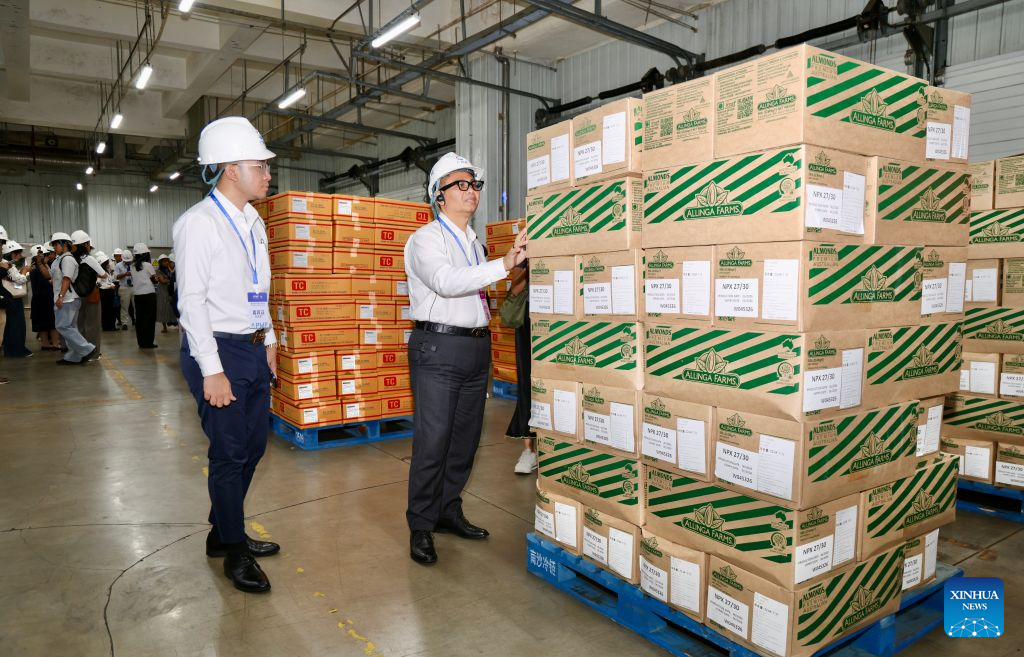
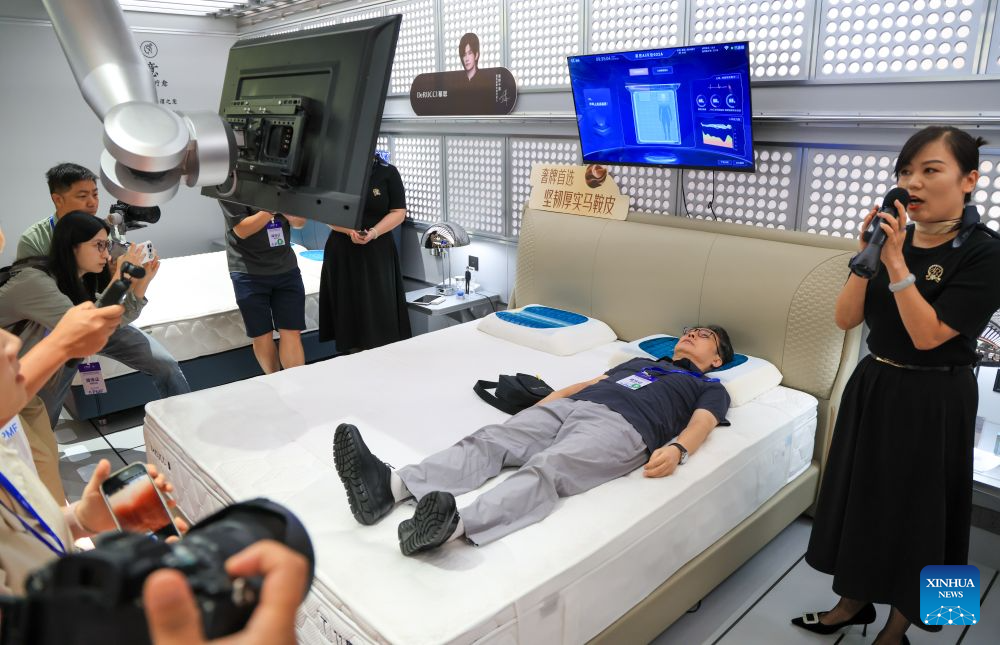
Guests visit Guangzhou Nansha International Logistics Center in Guangzhou, south China’s Guangdong Province, Sept. 3, 2026. (Xinhua/Lu Hanxin)
BEIJING, Sept. 3 (Xinhua) — The Asia-Pacific Media Forum will open on Saturday in Shenzhen, south China’s Guangdong Province, as the country hosts a series of events under the 2026 APEC “China Year.”
Multiple outcomes are expected to be unveiled at the forum, under the theme of “Building a Path to Shared Prosperity for the Asia-Pacific Community: Media Consensus and Action.”
Ahead of the event, participating guests are visiting cities in Guangdong, including Guangzhou, Foshan, Dongguan, Shenzhen, Zhuhai and Zhongshan.
During the 2026 APEC “China Year,” approximately 300 events are scheduled to take place across multiple cities in China. Notably, the 33rd APEC Economic Leaders’ Meeting will be held in Shenzhen in November. It will be China’s third time hosting the event, following Shanghai in 2001 and Beijing in 2014.
Adjacent to Hong Kong, Shenzhen was one of China’s first special economic zones and has since evolved, over four decades, into a global hub for innovation and advanced manufacturing.
In the first half of 2026, Shenzhen’s trade with other APEC economies rose 33 percent to 1.98 trillion yuan (about 292 billion U.S. dollars), accounting for 68.8 percent of its total foreign trade. Experts believe Shenzhen illustrates how China’s new growth drivers are generating new opportunities across the Asia-Pacific region. ■
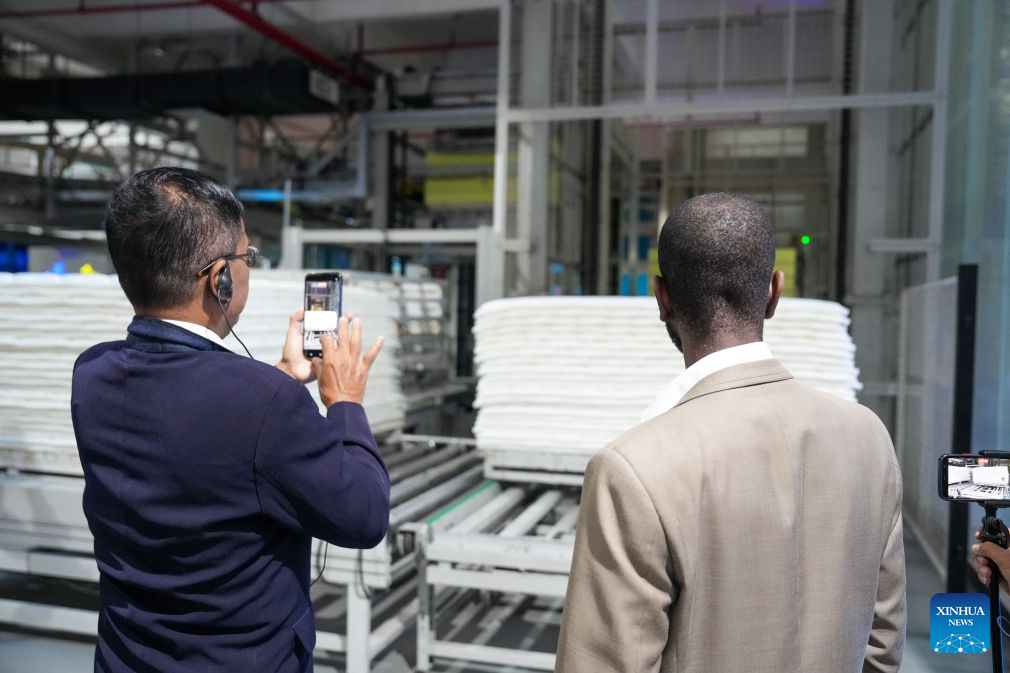
A guest experiences an AI mattress at DeRUCCI 5G Smart Gigafactory in Dongguan, south China’s Guangdong Province, Sept. 3, 2026. (Xinhua/Mao Siqian)
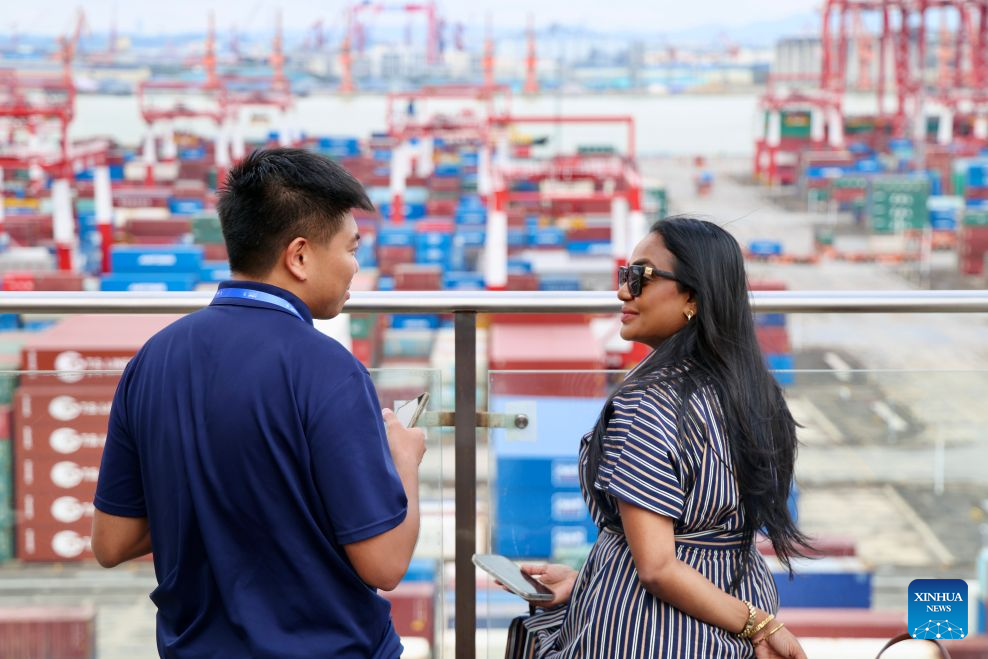
Guests visit Nansha Port Phase IV Container Terminal of Guangzhou Port in Guangzhou, south China’s Guangdong Province, Sept. 3, 2026. (Xinhua/Lu Hanxin)
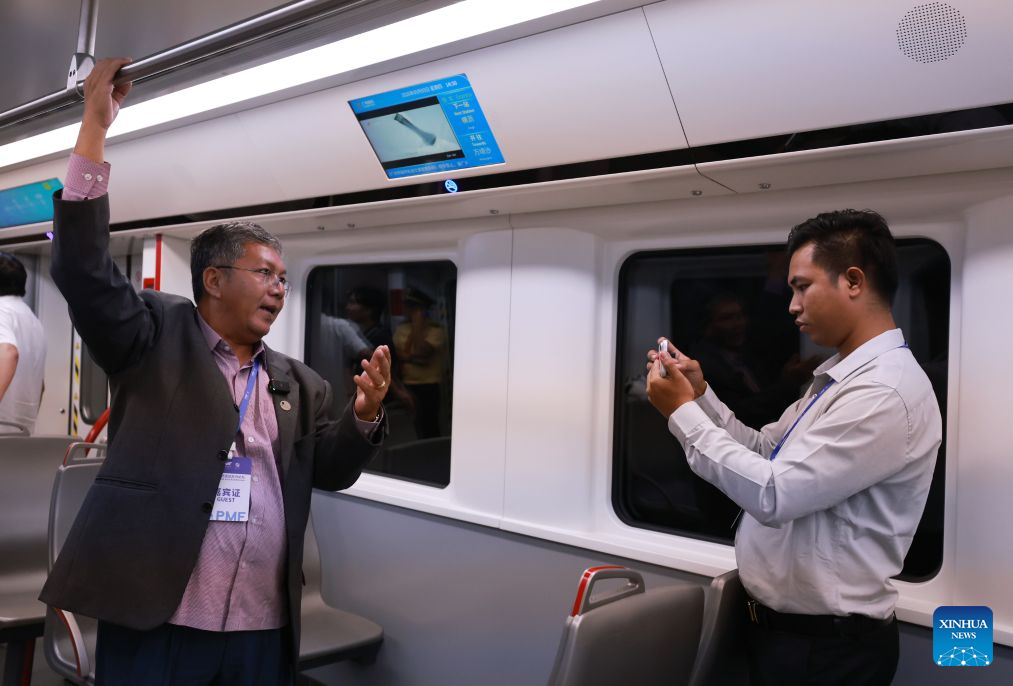
A guest films his passenger experience on Guangzhou Metro Line 18 in Guangzhou, south China’s Guangdong Province, Sept. 3, 2026. (Xinhua/Gao Jing)
Guests visit DeRUCCI 5G Smart Gigafactory in Dongguan, south China’s Guangdong Province, Sept. 3, 2026. (Xinhua/Dai Mingxuan)
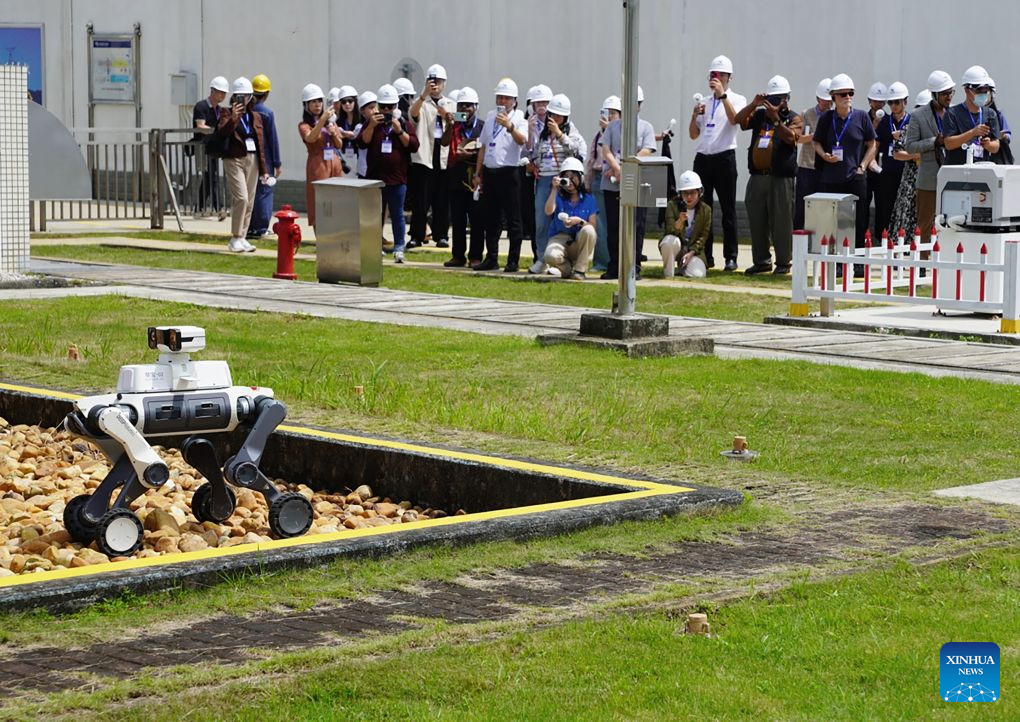
Guests watch the demonstration of an intelligent patrol robot dog at the 220 kV Qinyun Substation of China Southern Power Grid (CSG) in Zhuhai, south China’s Guangdong Province, Sept. 3, 2026. (Xinhua/Li An)
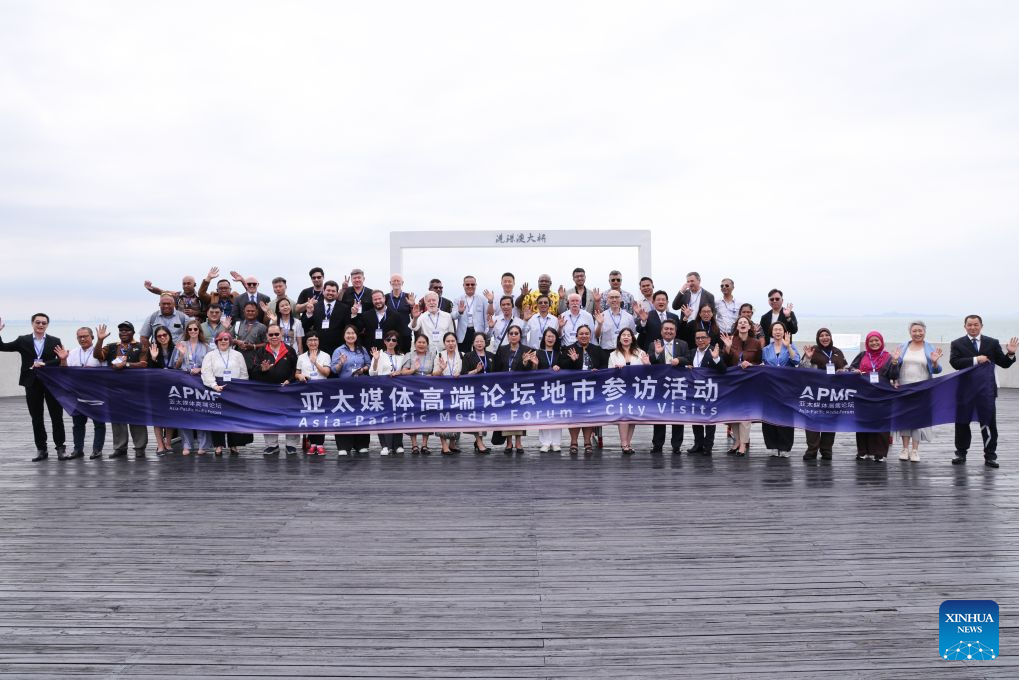
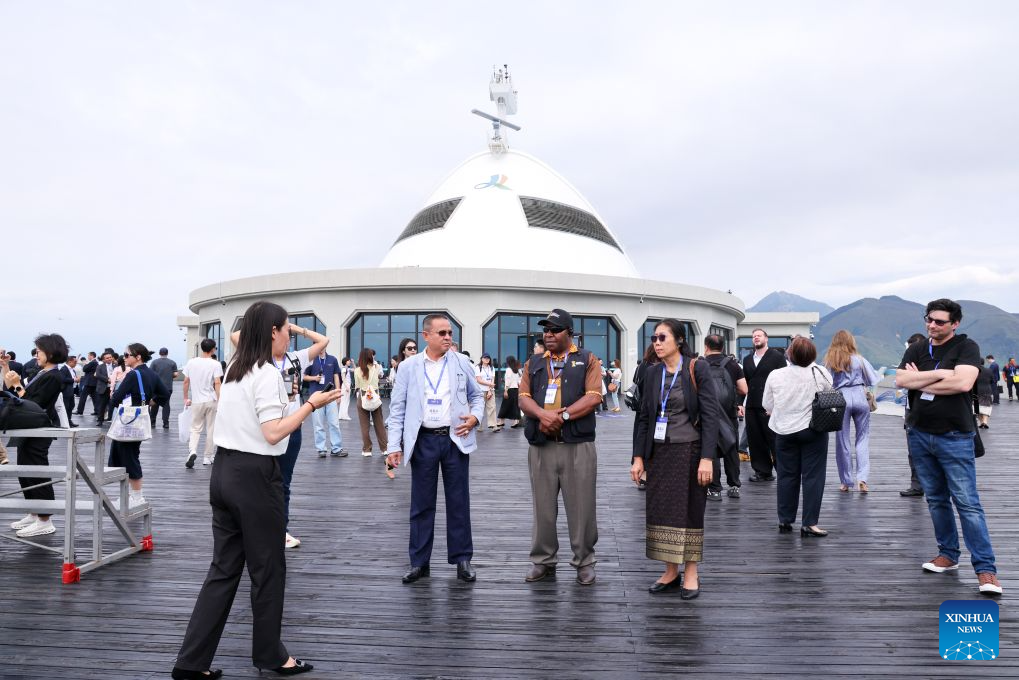
Guests pose for a group photo at the Hong Kong-Zhuhai-Macao Bridge Blue Dolphin Island in Zhuhai, south China’s Guangdong Province, Sept. 3, 2026. (Xinhua/Liang Xu)
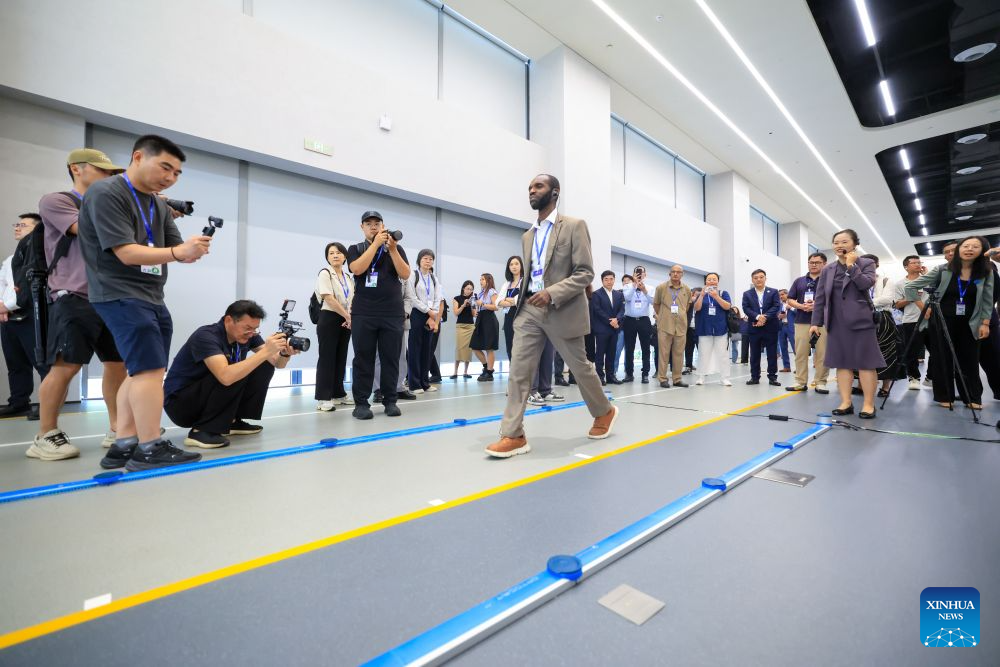
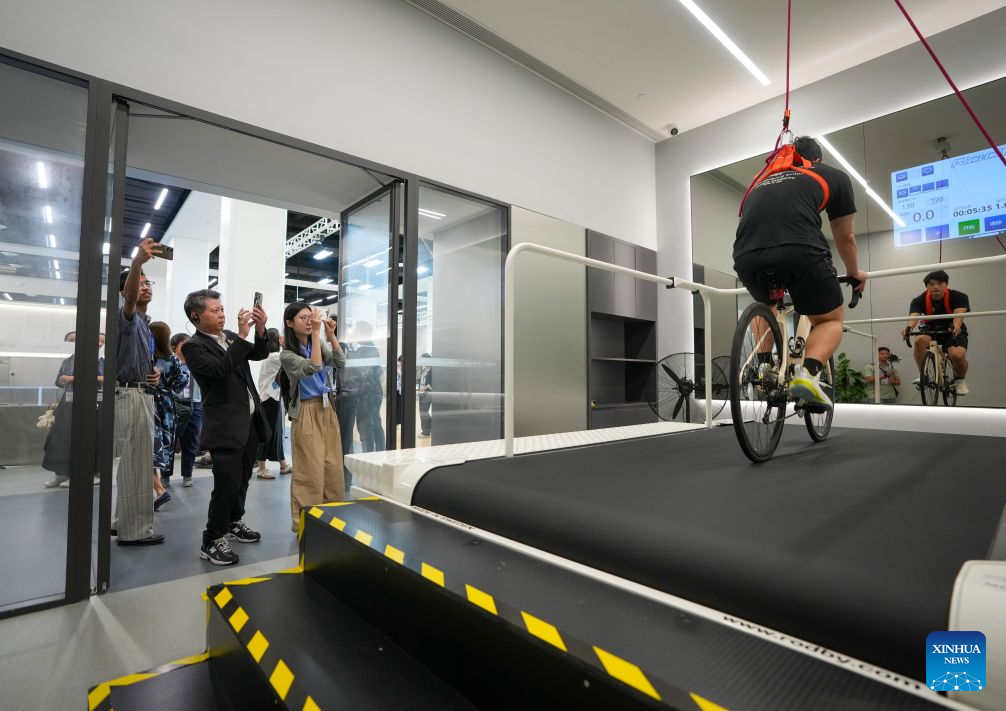
A guest has his motion data collected at OPPO Health Lab in Dongguan, south China’s Guangdong Province, Sept. 3, 2026. (Xinhua/Mao Siqian)
Guests visit OPPO Health Lab in Dongguan, south China’s Guangdong Province, Sept. 3, 2026. (Xinhua/Dai Mingxuan)
Guests visit the Hong Kong-Zhuhai-Macao Bridge Blue Dolphin Island in Zhuhai, south China’s Guangdong Province, Sept. 3, 2026. (Xinhua/Liang Xu)
Garissa Governor Nathif Jama Adam has welcomed the decision by the national government to include Garissa County among the first eight counties set to benefit from the operationalisation of County Aggregation and Industrial Parks (CAIPs), describing the development as a major opportunity to unlock the county’s economic potential.
The announcement follows a meeting chaired by Deputy President Kithure Kindiki, where it was confirmed that eight counties — Garissa, Wajir, Kirinyaga, Meru, Embu, Busia, Migori and Kisii — have identified flagship products for their respective industrial parks as preparations for commissioning gather momentum.
For Garissa, the CAIP will focus on sunflower oil production, positioning the county to move beyond the sale of raw agricultural produce and embrace value addition, agro-processing and manufacturing.
Governor Nathif has welcomed the development, noting that the industrial park presents an important avenue for creating jobs, expanding markets for farmers and strengthening local economic activity.
The selection of sunflower oil as Garissa’s flagship value chain could also provide an opportunity to stimulate agricultural production while establishing a reliable market for farmers and encouraging investment in agro-processing.
The Deputy President said the Government is committed to supporting the eight counties to establish industrial hotspots capable of contributing significantly to Kenya’s manufacturing agenda.
He said the first eight CAIPs are expected to be commissioned progressively, with the Meru facility targeted for commissioning within September and the other seven expected to follow before the end of the year.
The CAIP programme is anchored on the need to connect agricultural production with industrialisation by ensuring farmers have reliable markets while industries access sufficient raw materials.
For Garissa, the sunflower oil project therefore represents more than an industrial facility. It could become a catalyst for a broader agricultural value chain, linking farmers, processors, traders, transporters and other businesses.
Governor Nathif’s positive reception of the project underscores the county administration’s interest in partnerships that can translate national investments into tangible economic opportunities for residents.
As Kenya accelerates its industrialisation agenda, Garissa’s inclusion among the first counties to operationalise CAIPs gives the county a strategic opportunity to position itself as a centre for agro-processing and value addition in the region.
With the right support, investment and coordination between the national and county governments, the sunflower oil value chain could help diversify Garissa’s economy, create employment and increase incomes for local communities.
The development also aligns with the Government’s broader push to strengthen agriculture as the foundation for industrial growth, ensuring that farmers benefit from value addition rather than remaining suppliers of raw produce.
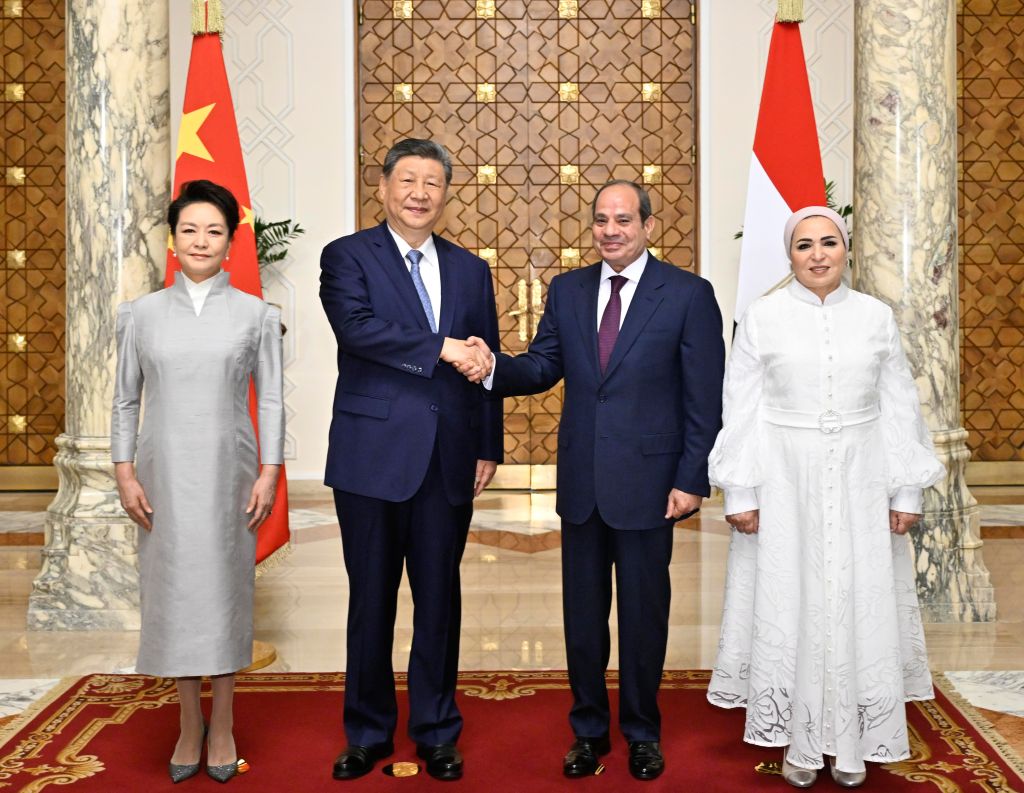
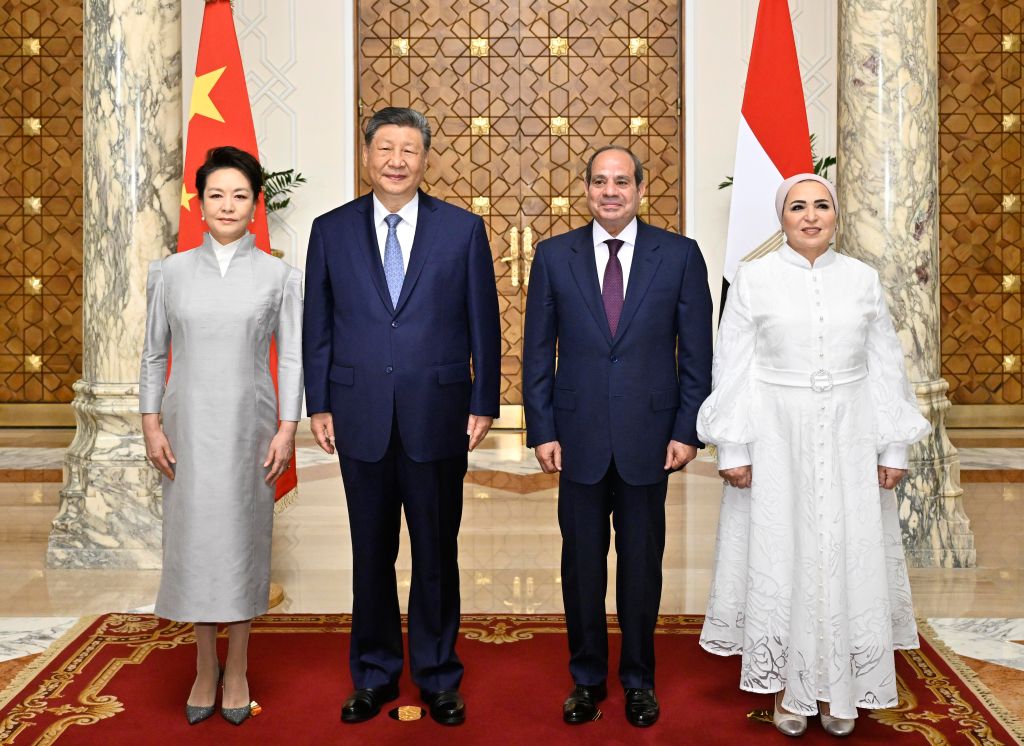
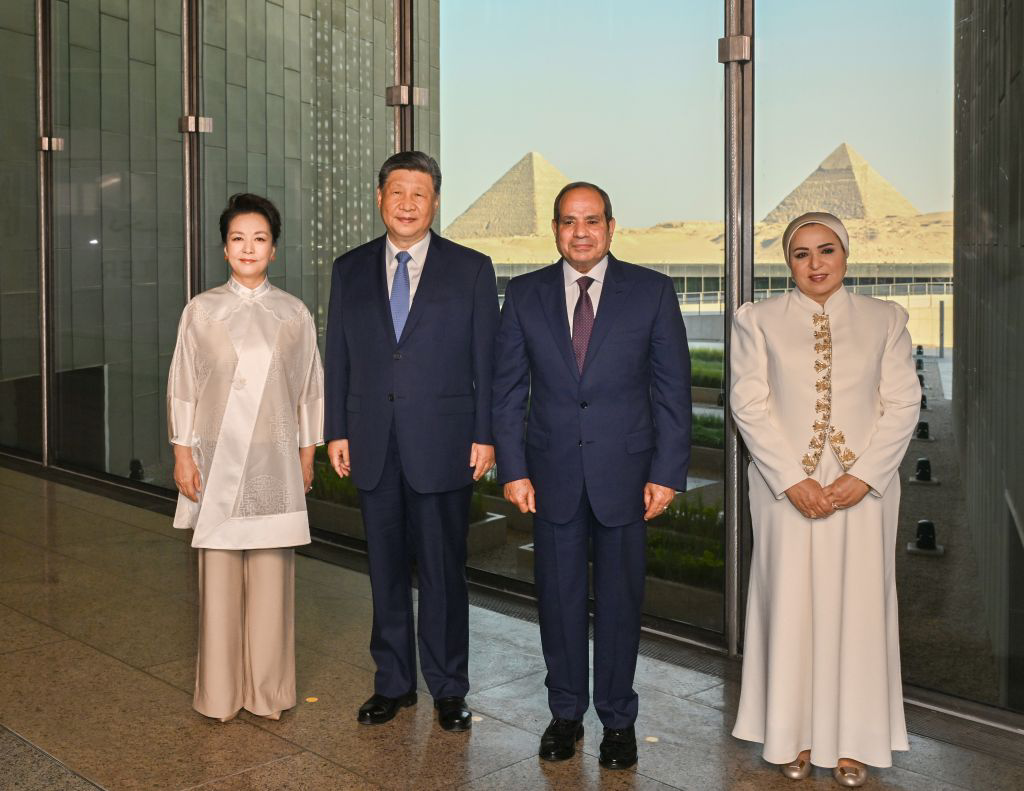
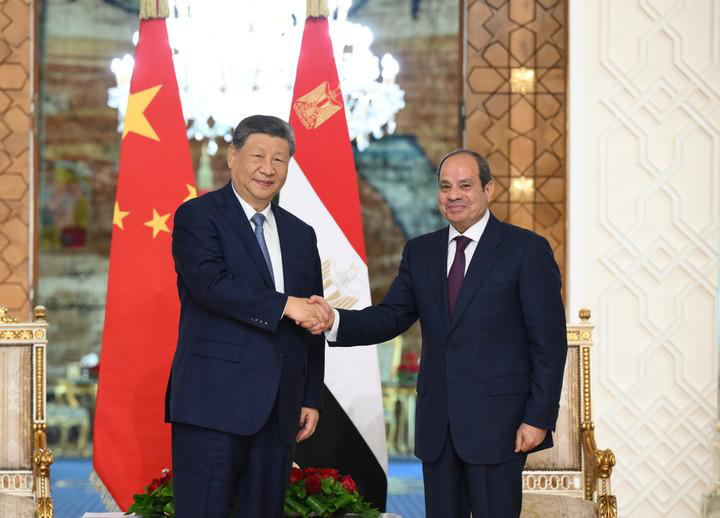
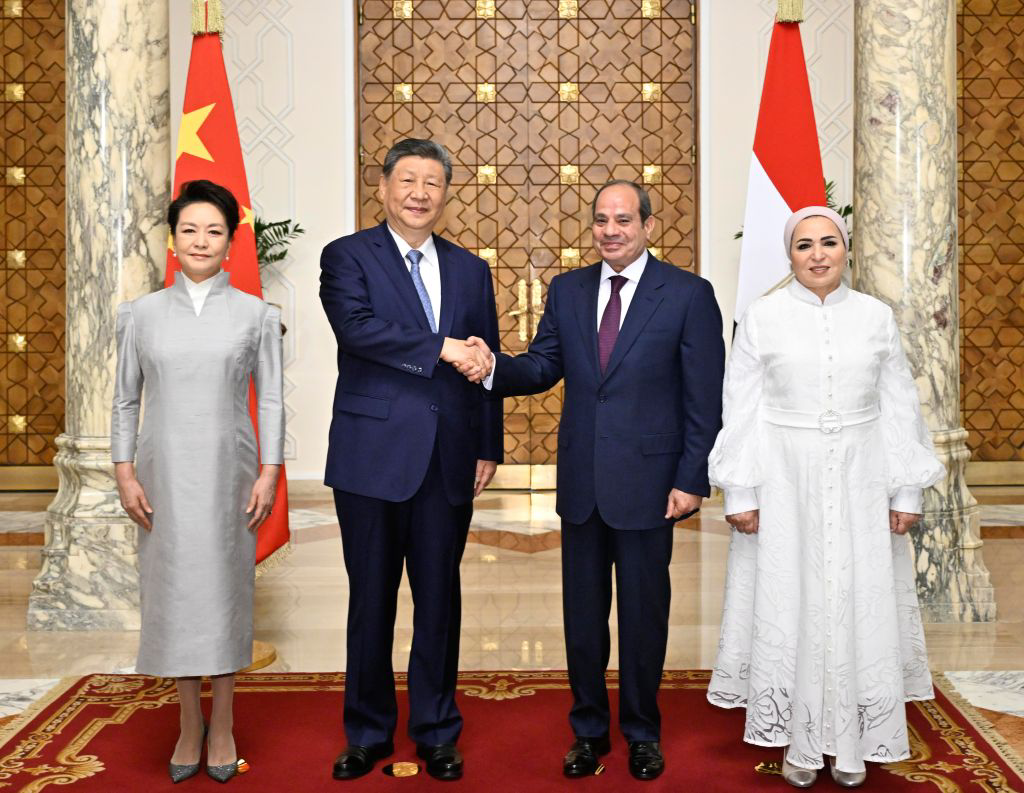
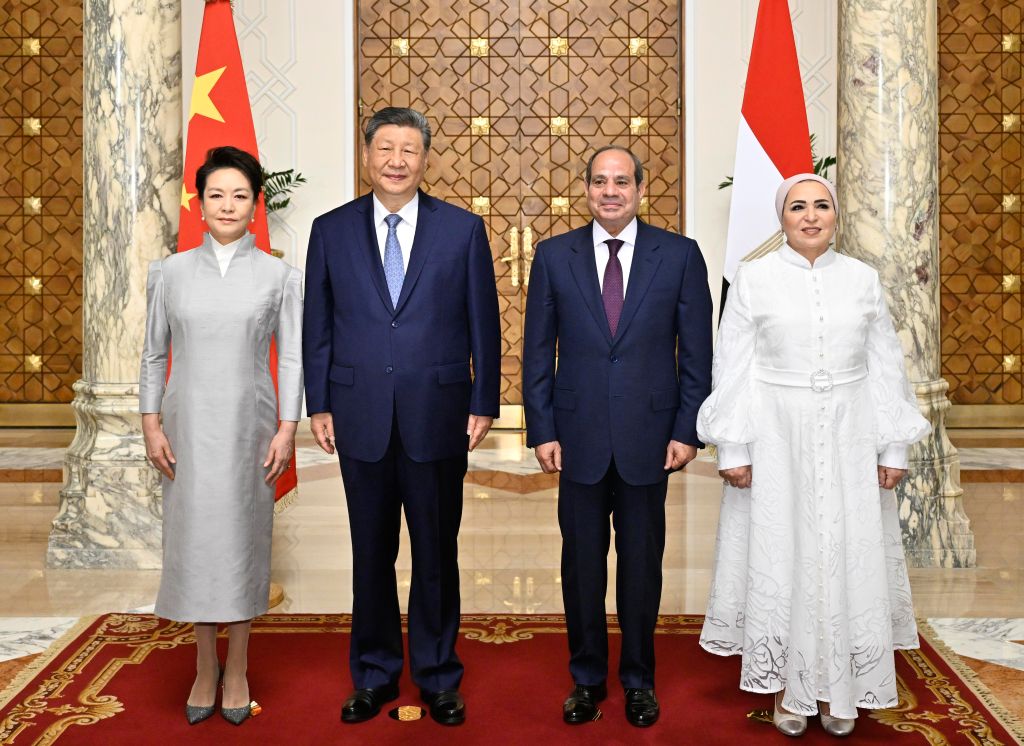
Chinese President Xi Jinping and his wife Peng Liyuan pose for a group photo with Egyptian President Abdel Fattah El-Sisi and his wife Entissar El-Sisi in Cairo, Egypt, Sept. 2, 2026. Xi held talks with Egyptian President Abdel Fattah El-Sisi in Cairo on Wednesday. (Xinhua/Yin Bogu)
CAIRO, Sept. 2 (Xinhua) — Chinese President Xi Jinping on Wednesday called on China and Egypt to support each other, deepen cooperation, and continue advancing the building of a China-Egypt community with a shared future amid a turbulent international and regional landscape.
Xi made the remarks during his talks with Egyptian President Abdel Fattah El-Sisi, while emphasizing China’s support for regional countries in building a new security architecture in the Middle East via upholding a vision of common, comprehensive, cooperative and sustainable security.
ENHANCING BILATERAL EXCHANGES, COOPERATION
Noting that Egypt was the first Arab and African nation to establish diplomatic ties with the People’s Republic of China in 1956, Xi said that the older-generation leaders of the two countries led their peoples in striving side by side for national independence and against imperialism and colonialism, forging an unbreakable bond of friendship.
Over the past seven decades, China-Egypt relations have weathered challenges and developed distinctive features of equality and mutual trust, friendship and mutual learning, solidarity and mutual support, as well as win-win cooperation, he said.
Xi said the China-Egypt comprehensive strategic partnership has achieved leapfrog development in recent years under the guidance of the two heads of state. The two sides share similar views and have closely aligned strategies in pursuing development and revitalization, improving people’s well-being, and upholding international fairness and justice, he added.
Xi emphasized that China and Egypt should firmly support each other, maintain the momentum of high-level exchanges, enhance exchanges and cooperation in all fields and at all levels, and strengthen exchanges and mutual learning on governance experience.
Xi said the two sides should promote mutually beneficial cooperation, better align their development strategies, tap the potential for cooperation in traditional fields such as infrastructure development, power, agriculture and communications technology, and foster new highlights of cooperation in green energy, electric vehicles, aerospace, the digital economy and modern agricultural technology.
The two sides should promote people-to-people exchanges, comprehensively expand exchanges and cooperation in culture, education, science and technology, health, sports and other fields, and facilitate personnel exchanges and enhance people-to-people bonds, Xi said.
The two sides should strengthen security cooperation, jointly combat transnational crime, deepen international cooperation in anti-corruption, firmly support each other’s anti-terror efforts, and safeguard their common security, Xi said.
The two sides should strengthen multilateral collaboration, further enhance coordination and cooperation on multilateral platforms such as the United Nations and the BRICS, jointly promote the development of the China-Arab States Cooperation Forum and the Forum on China-Africa Cooperation, jointly oppose unilateralism and acts of bullying, and promote a more just and equitable global governance system, Xi said.
For his part, Sisi welcomed Xi’s historic state visit to Egypt on the occasion of the 70th anniversary of diplomatic ties between the two countries.
Sisi said that since the establishment of diplomatic relations, bilateral ties have developed in a sound and steady manner, and cooperation across various fields has yielded fruitful results.
Egypt firmly adheres to the one-China principle and is committed to further advancing the Egypt-China comprehensive strategic partnership, Sisi added.
Egypt is ready to work with China to deepen cooperation in trade and investment, manufacturing, infrastructure development, finance, science and technology, and new energy, strengthen military and security exchanges, and promote closer people-to-people exchanges, so as to benefit the two peoples and contribute to regional development and prosperity, Sisi said.
Sisi said China, as a permanent member of the UN Security Council, plays an important and constructive role in international affairs. Egypt is ready to strengthen coordination with China at multilateral platforms, jointly address global challenges, and work together to uphold international fairness and justice, he added.
The two heads of state jointly witnessed the signing of multiple cooperation documents on Belt and Road cooperation, artificial intelligence, economic and trade, and industrial and supply chain cooperation.
The two sides also issued a joint statement on further deepening their comprehensive strategic partnership, and signed more than 20 cooperation documents covering such areas as digital economy, science and technology, education, and transportation.
NEW REGIONAL SECURITY ARCHITECTURE
In the talks, Xi raised a four-point proposal on building a new security architecture in the Middle East, saying that China supports countries in the region in developing good-neighborly and friendly relations.
To promote common security in the region, Xi said that efforts should be made to foster the internal driving force for common security in the region.
People in the Middle East should remain masters of their own affairs, and external interference should be rejected, Xi said, noting that China supports regional countries in strengthening dialogue on peace and security, exploring the building of a new security architecture for the Middle East, and taking their future into their own hands.
Xi said that a comprehensive approach should be adopted to advance common security in the region and that given the multiple hotspots in the Middle East and their close interconnections, comprehensive solutions should be pursued.
The Palestinian issue remains at the core of the Middle East question and should never be overlooked or marginalized, he added.
The foundation for common security should be strengthened through development, Xi said, noting that lasting peace and stability in the Middle East fundamentally depend on development.
China stands ready to work with Middle East countries to safeguard the security of international shipping lanes, advance development cooperation, promote the convergence of interests of regional countries, gradually enhance mutual trust, and eliminate the root causes of the conflict, he said.
Xi urged that international coordination for common security in the region should be strengthened, and the UN Charter and international law should serve as the fundamental principles for handling Middle East affairs.
The international community, especially external powers, should abandon double standards in the Middle East, respect the sovereignty and territorial integrity of regional countries, and safeguard regional peace and stability, Xi added.
He also urged support for the United Nations’ effective role in Middle East affairs.
Sisi said that Egypt highly appreciates China’s consistent, objective, and impartial stance on the Middle East question, noting that Egypt is committed to promoting de-escalation in the region, resolving conflicts and differences through political means, and advancing regional security and development.
Egypt stands ready to continue strengthening coordination with China to ease tensions in the Middle East, safeguard regional stability, and explore a regional security architecture, Sisi said. ■
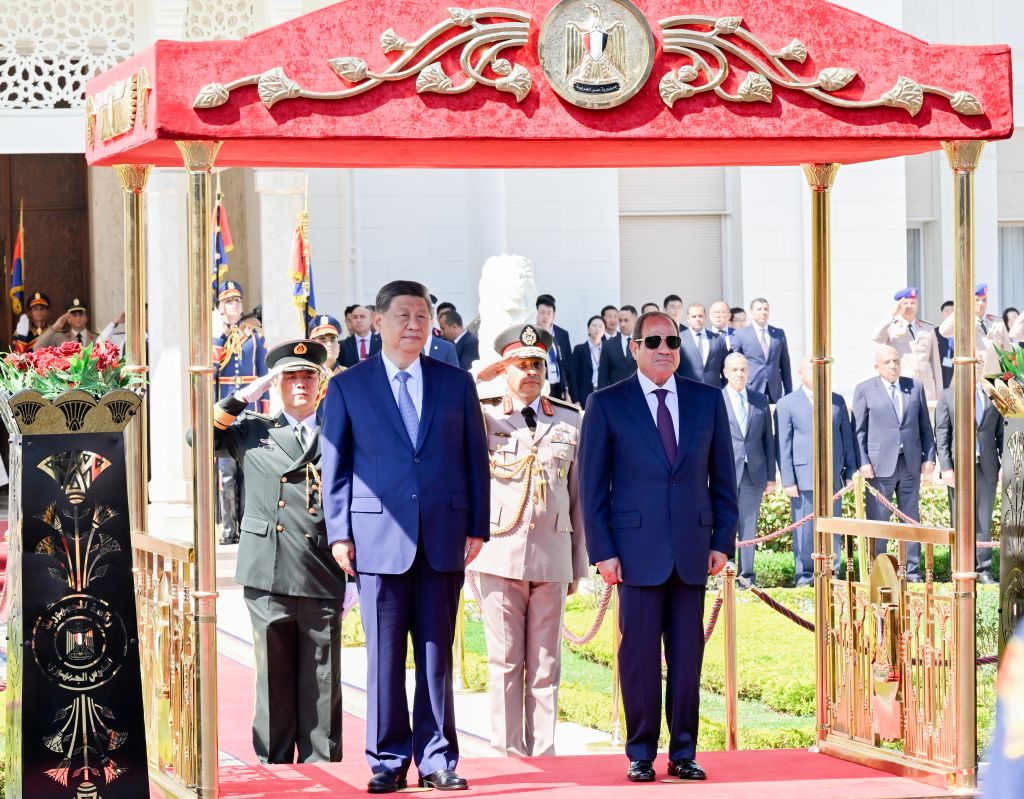
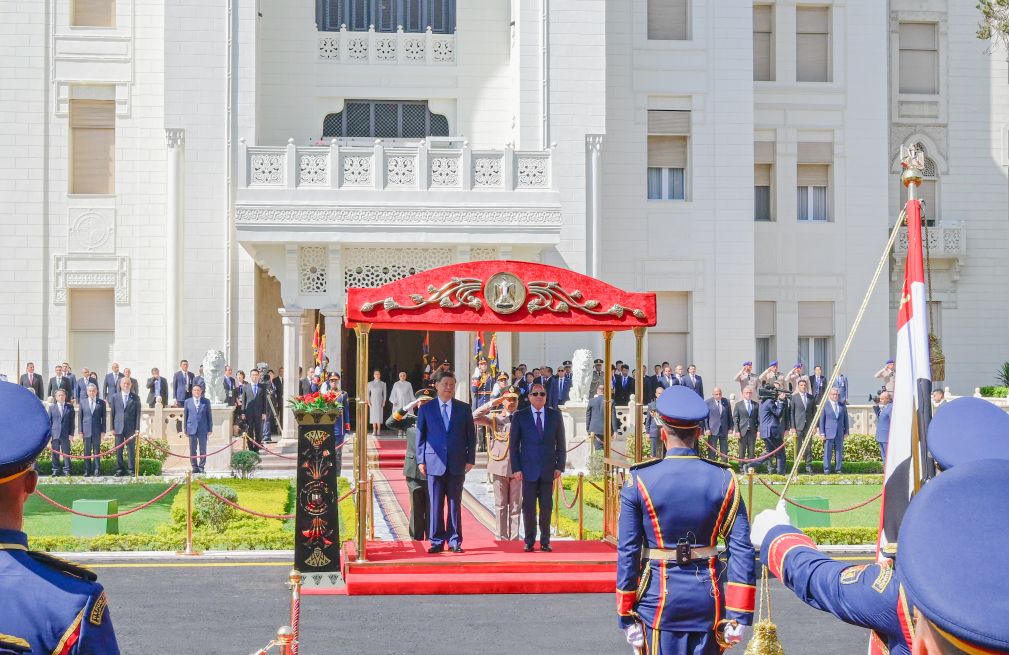
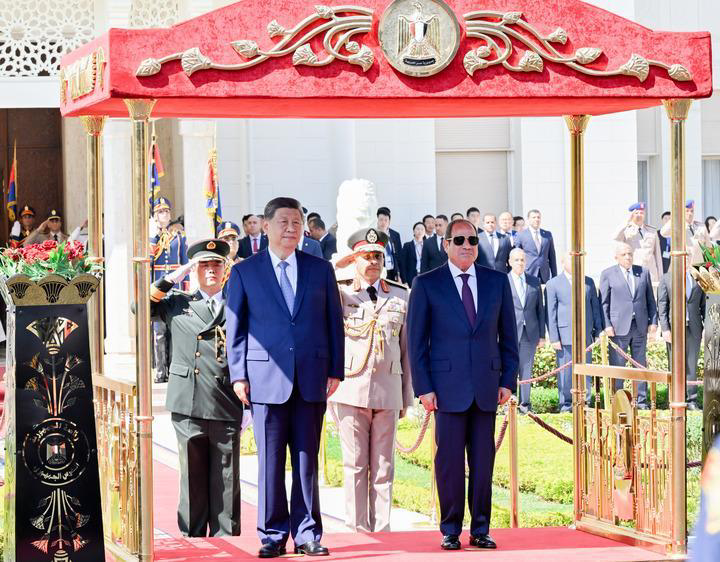
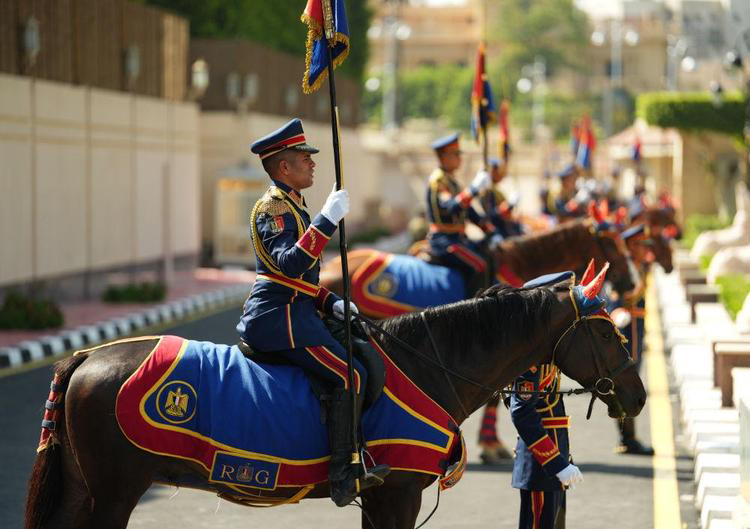
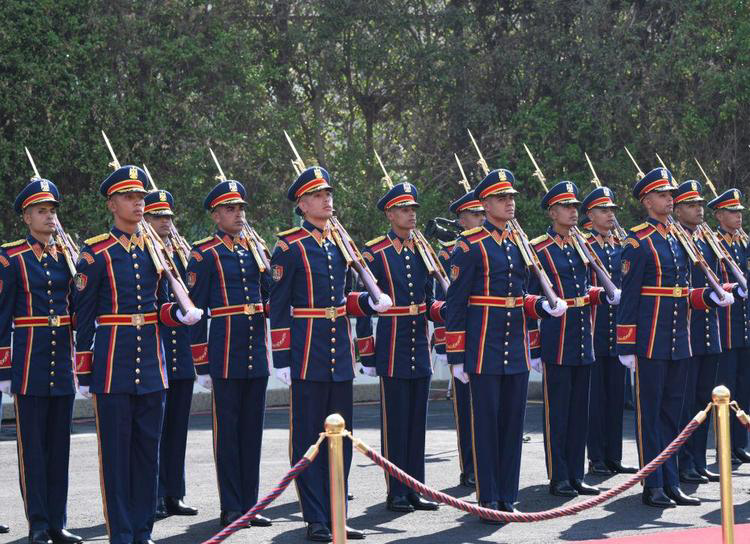
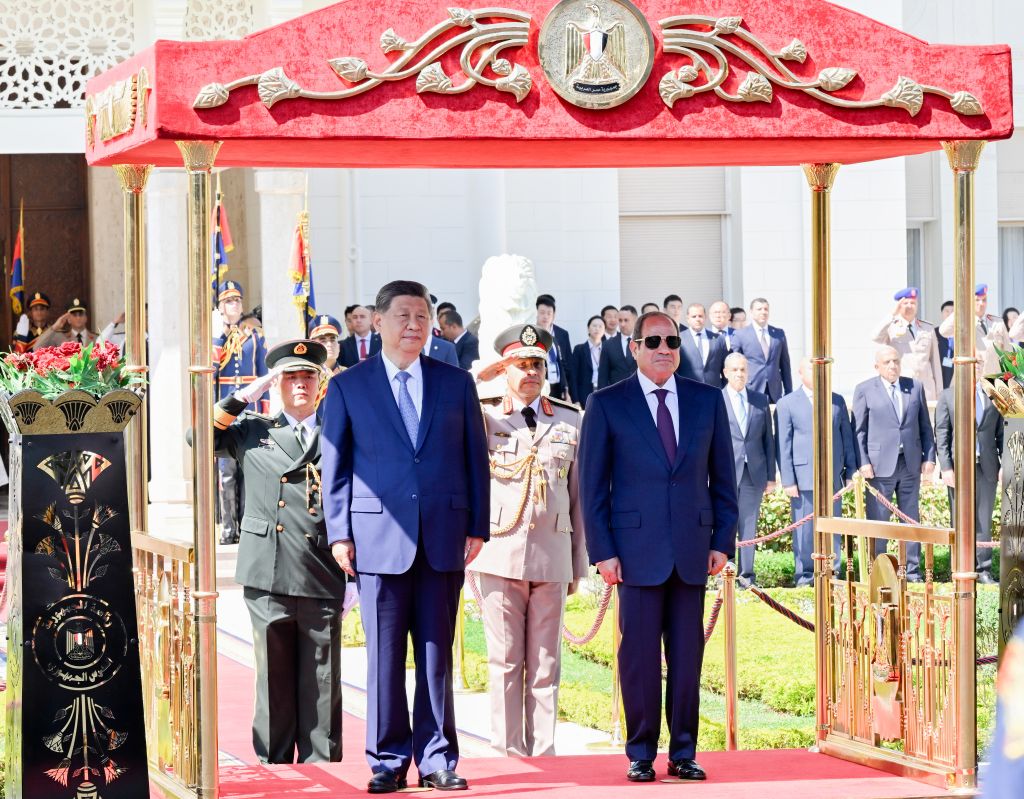
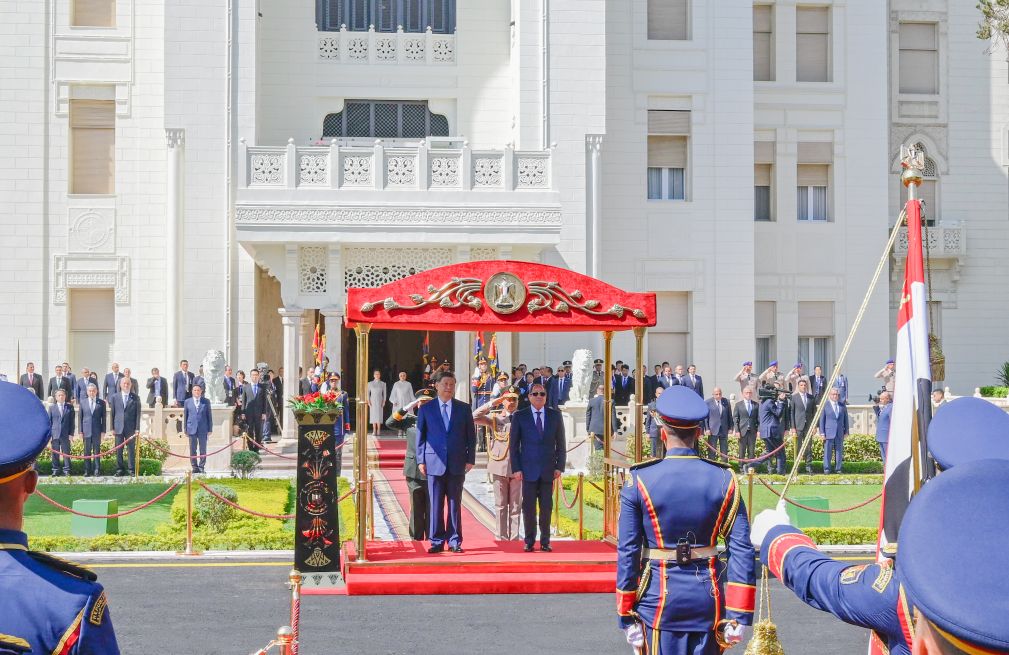
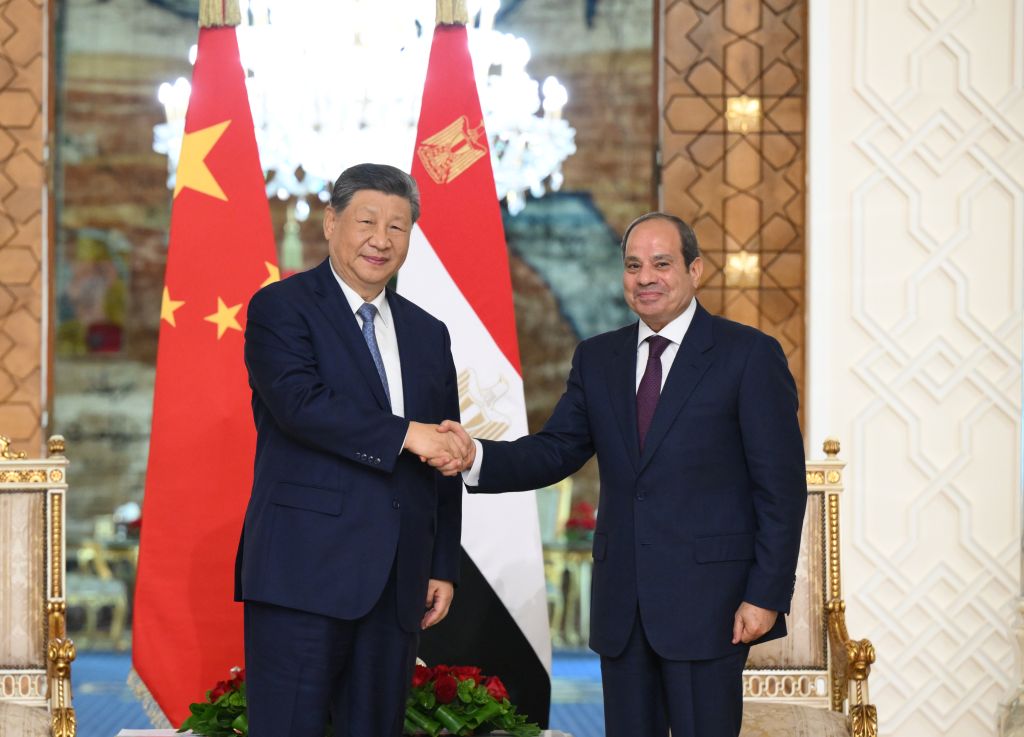
Chinese President Xi Jinping attends a welcome ceremony held by Egyptian President Abdel Fattah El-Sisi prior to their talks in Cairo, Egypt, Sept. 2, 2026. Xi held talks with Egyptian President Abdel Fattah El-Sisi in Cairo on Wednesday. (Xinhua/Shen Hong)
Chinese President Xi Jinping attends a welcome ceremony held by Egyptian President Abdel Fattah El-Sisi prior to their talks in Cairo, Egypt, Sept. 2, 2026. Xi held talks with Egyptian President Abdel Fattah El-Sisi in Cairo on Wednesday. (Xinhua/Shen Hong)
Chinese President Xi Jinping and his wife Peng Liyuan pose for a group photo with Egyptian President Abdel Fattah El-Sisi and his wife Entissar El-Sisi in Cairo, Egypt, Sept. 2, 2026. Xi held talks with Egyptian President Abdel Fattah El-Sisi in Cairo on Wednesday. (Xinhua/Yin Bogu)
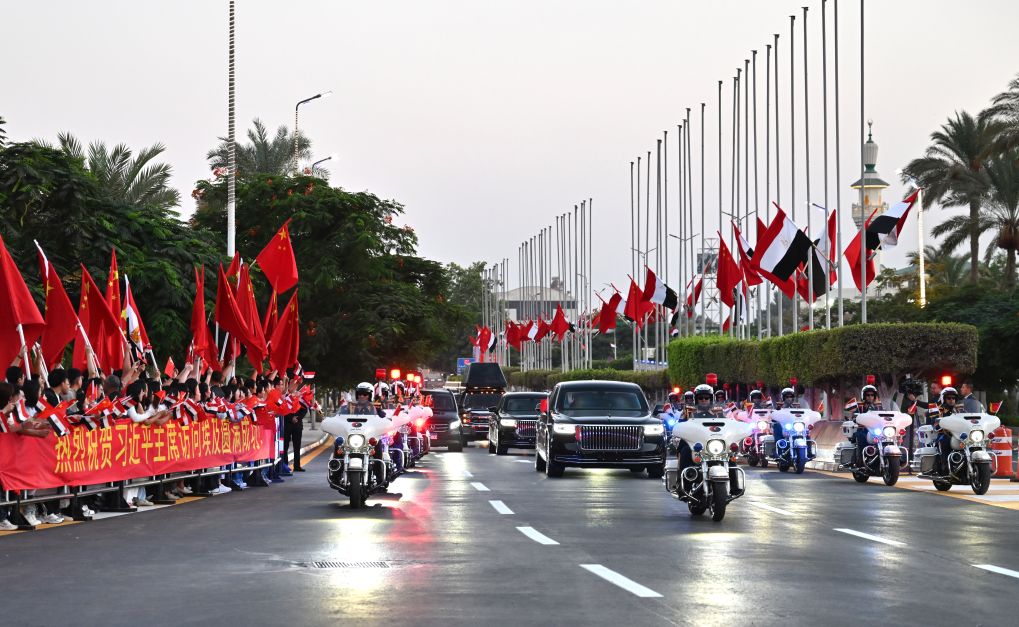
Chinese President Xi Jinping leaves Cairo after paying a state visit to Egypt, Sept. 2, 2026. (Xinhua/Xin Mengchen)
CAIRO, Sept. 2 (Xinhua) — Chinese President Xi Jinping left Cairo on Wednesday after paying a state visit to Egypt.
During the visit, Xi held talks with Egyptian President Abdel Fattah El-Sisi. The two heads of state jointly witnessed the signing of multiple cooperation documents on Belt and Road cooperation, artificial intelligence, economic and trade, and industrial and supply chain cooperation.
The two countries also issued a joint statement on further deepening their comprehensive strategic partnership.
Accompanied by Sisi and his wife Entissar El-Sisi, Xi and his wife Peng Liyuan toured the Grand Egyptian Museum before departure. ■
Chinese President Xi Jinping leaves Cairo after paying a state visit to Egypt, Sept. 2, 2026. (Xinhua/Xin Mengchen)
Chinese President Xi Jinping and his wife Peng Liyuan, accompanied by Egyptian President Abdel Fattah El-Sisi and his wife Entissar El-Sisi, tour the Grand Egyptian Museum in Giza, Egypt, Sept. 2, 2026. (Xinhua/Xie Huanchi)
CAIRO, Sept. 2 (Xinhua) — Chinese President Xi Jinping and his wife, Peng Liyuan, visited on Wednesday the Grand Egyptian Museum accompanied by Egyptian President Abdel Fattah El-Sisi and his wife.
The two heads of state and their spouses took in the exquisite and imposing stone carvings and inscribed stone pillars. They then gazed out at the pyramids from the museum’s observation deck.
Entering the Tutankhamun exhibition hall, the two presidents viewed such prized treasures as the pharaoh’s throne, the golden mask and royal chariots.
Noting that China and Egypt are both ancient civilizations and countries rich in World Heritage sites, Xi said that across time and space, the two civilizations have been reaching out to each other, adding new chapters of everlasting friendship between the two peoples.
Xi called on both sides to uphold the vision of civilization based on equality, mutual learning, dialogue and inclusiveness, and implement the Global Civilization Initiative.
He also urged the two countries to promote the inclusive coexistence and mutual learning among different civilizations, and pool greater strength from civilizations to advance the building of a community with a shared future for humanity.
Sisi thanked Xi for extending congratulations on the opening of the museum last year. He said the ancient Egyptian and Chinese civilizations share the qualities of openness, inclusiveness and harmonious coexistence amid diversity, which closely aligns with the vision of the Global Civilization Initiative proposed by Xi.
The Egyptian side stands ready to work with China to step up people-to-people and cultural exchanges, promote mutual learning among civilizations, and make the world more harmonious and inclusive, Sisi said.
Xi said the China-Egypt comprehensive strategic partnership has achieved leapfrog development in recent years under the guidance of the two heads of state. In the talks, Xi raised a four-point proposal on building a new security architecture in the Middle East, saying that China supports countries in the region in developing good-neighborly and friendly relations.
CAIRO, Sept. 2 (Xinhua) — Chinese President Xi Jinping on Wednesday called on China and Egypt to support each other, deepen cooperation, and continue advancing the building of a China-Egypt community with a shared future amid a turbulent international and regional landscape.
Xi made the remarks during his talks with Egyptian President Abdel Fattah El-Sisi, while emphasizing China’s support for regional countries in building a new security architecture in the Middle East via upholding a vision of common, comprehensive, cooperative and sustainable security.
ENHANCING BILATERAL EXCHANGES, COOPERATION
Noting that Egypt was the first Arab and African nation to establish diplomatic ties with the People’s Republic of China in 1956, Xi said that the older-generation leaders of the two countries led their peoples in fighting side by side for national independence and against imperialism and colonialism, forging an unbreakable bond of friendship.
Over the past seven decades, China-Egypt relations have weathered challenges and developed distinctive features of equality and mutual trust, friendship and mutual learning, solidarity and mutual support, as well as win-win cooperation, he said.
NEW REGIONAL SECURITY ARCHITECTURE
In the talks, Xi raised a four-point proposal on building a new security architecture in the Middle East, saying that China supports countries in the region in developing good-neighborly and friendly relations.
To promote common security in the region, Xi said that efforts should be made to foster the internal driving force for common security in the region.
People in the Middle East should remain masters of their own affairs, and external interference should be rejected, Xi said, noting that China supports regional countries in strengthening dialogue on peace and security, exploring the building of a new security architecture for the Middle East, and taking their future into their own hands.
Xi said that a comprehensive approach should be adopted to advance common security in the region and that given the multiple hotspots in the Middle East and their close interconnections, comprehensive solutions should be pursued.
The Palestinian issue remains at the core of the Middle East question and should never be overlooked or marginalized, he added.
The foundation for common security should be strengthened through development, Xi said, noting that lasting peace and stability in the Middle East fundamentally depend on development.
China stands ready to work with Middle East countries to safeguard the security of international shipping lanes, advance development cooperation, promote the convergence of interests of regional countries, gradually enhance mutual trust, and eliminate the root causes of the conflict, he said.
Xi urged that international coordination for common security in the region should be strengthened, and the UN Charter and international law should serve as the fundamental principles for handling Middle East affairs.
The international community, especially external powers, should abandon double standards in the Middle East, respect the sovereignty and territorial integrity of regional countries, and safeguard regional peace and stability, Xi added.
He also urged support for the United Nations’ effective role in Middle East affairs.
Sisi said that Egypt highly appreciates China’s consistent, objective, and impartial stance on the Middle East question, noting that Egypt is committed to promoting de-escalation in the region, resolving conflicts and differences through political means, and advancing regional security and development.
Egypt stands ready to continue strengthening coordination with China to ease tensions in the Middle East, safeguard regional stability, and explore a regional security architecture, Sisi said.
Chinese President Xi Jinping and his wife Peng Liyuan pose for a group photo with Egyptian President Abdel Fattah El-Sisi and his wife Entissar El-Sisi in Cairo, Egypt, Sept. 2, 2026. Xi held talks with Egyptian President Abdel Fattah El-Sisi in Cairo on Wednesday. (Xinhua/Yin Bogu)
CAIRO, Sept. 2 (Xinhua) — Chinese President Xi Jinping on Wednesday raised a four-point proposal on building a new security architecture in the Middle East via upholding a vision of common, comprehensive, cooperative and sustainable security.
In his talks with Egyptian President Abdel Fattah El-Sisi, Xi said China supports countries in the region in developing good-neighborly and friendly relations.
To promote common security in the region, Xi said that efforts should be made to foster the internal driving force for common security in the region.
People in the Middle East should remain masters of their own affairs, and external interference should be rejected, Xi said, noting that China supports regional countries in strengthening dialogue on peace and security, exploring the building of a new security architecture for the Middle East, and taking their future into their own hands.
Xi said that a comprehensive approach should be adopted to advance common security in the region and that given the multiple hotspots in the Middle East and their close interconnections, comprehensive solutions should be pursued.
The Palestinian issue remains at the core of the Middle East question and should never be overlooked or marginalized, he added.
The foundation for common security should be strengthened through development, Xi said, noting that lasting peace and stability in the Middle East fundamentally depend on development.
China stands ready to work with Middle East countries to safeguard the security of international shipping lanes, advance development cooperation, promote the convergence of interests of regional countries, gradually enhance mutual trust, and eliminate the root causes of the conflict, he said.
Xi urged that international coordination for common security in the region should be strengthened, and the UN Charter and international law should serve as the fundamental principles for handling Middle East affairs.
The international community, especially external powers, should abandon double standards in the Middle East, respect the sovereignty and territorial integrity of regional countries, and safeguard regional peace and stability, Xi added.
He also urged support for the United Nations’ effective role in Middle East affairs.
Sisi said that Egypt highly appreciates China’s consistent, objective, and impartial stance on the Middle East question, noting that Egypt is committed to promoting de-escalation in the region, resolving conflicts and differences through political means, and advancing regional security and development.
Egypt stands ready to continue strengthening coordination with China to ease tensions in the Middle East, safeguard regional stability, and explore a regional security architecture, Sisi said. ■
Chinese President Xi Jinping attends a welcome ceremony held by Egyptian President Abdel Fattah El-Sisi prior to their talks in Cairo, Egypt, Sept. 2, 2026. Xi held talks with Egyptian President Abdel Fattah El-Sisi in Cairo on Wednesday. (Xinhua/Shen Hong)
Chinese President Xi Jinping attends a welcome ceremony held by Egyptian President Abdel Fattah El-Sisi prior to their talks in Cairo, Egypt, Sept. 2, 2026. Xi held talks with Egyptian President Abdel Fattah El-Sisi in Cairo on Wednesday. (Xinhua/Shen Hong)
Chinese President Xi Jinping and his wife Peng Liyuan pose for a group photo with Egyptian President Abdel Fattah El-Sisi and his wife Entissar El-Sisi in Cairo, Egypt, Sept. 2, 2026. Xi held talks with Egyptian President Abdel Fattah El-Sisi in Cairo on Wednesday. (Xinhua/Yin Bogu)
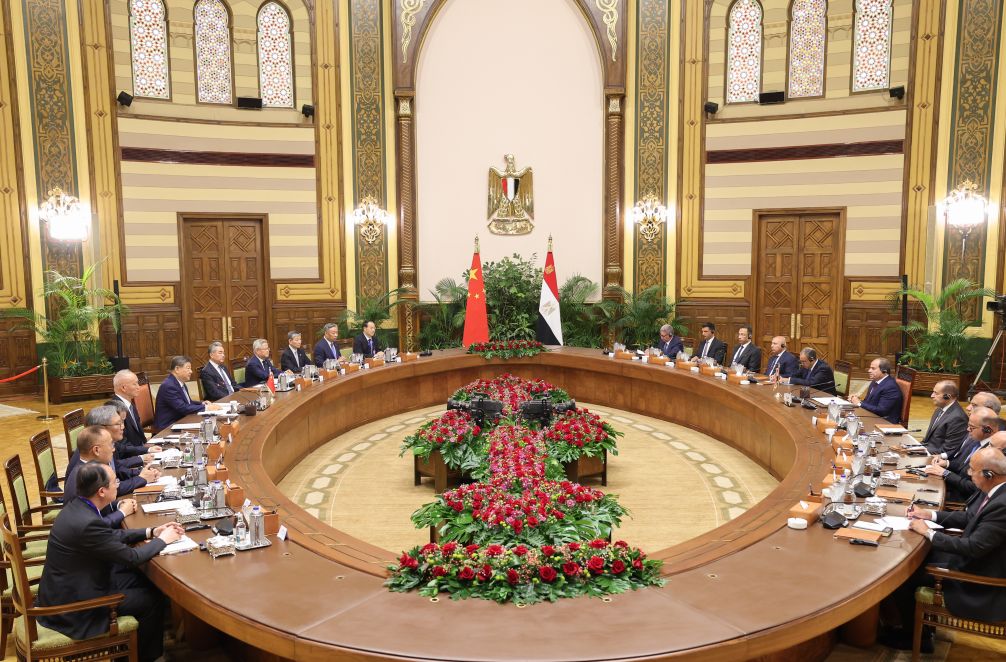
Chinese President Xi Jinping holds talks with Egyptian President Abdel Fattah El-Sisi in Cairo, Egypt, Sept. 2, 2026. (Xinhua/Yao Dawei)
Chinese President Xi Jinping holds talks with Egyptian President Abdel Fattah El-Sisi in Cairo, Egypt, Sept. 2, 2026. (Xinhua/Xie Huanchi)
The Kenya Flower Council (KFC) welcomes the end of the aviation workers’ industrial action following the Return-to-Work Agreement reached between the Kenya Aviation Workers Union (KAWU), the Kenya Airports Authority (KAA), the Kenya Civil Aviation Authority (KCAA), Jambojet Limited and Government. While the restoration of normal airport operations is welcome, the Kenya Flower Council must state clearly that the disruption of the past two days was avoidable, and its economic consequences should never have been allowed to reach this magnitude. The agreement eventually reached addresses matters including agency fees, collective bargaining negotiations, union recognition, management concerns and mechanisms for resolving outstanding grievances. It further commits the parties to industrial peace, good-faith engagement, consultation, negotiation and established dispute-resolution mechanisms.
These are fundamentally matters capable of resolution through dialogue and established industrial- relations mechanisms. Kenya should therefore not have had to lose export cargo, market opportunities,
foreign exchange earnings and productive working hours before the parties returned to the negotiating table. For the flower and wider perishable export industry, unfortunately, the end of the strike does not mean the end of the crisis. About 1,000 Tonnes of Cargo Stranded – and More Remains on Farms Industry estimates indicate that approximately 1,000 tonnes of cargo are currently caught in the backlog at the airport, with additional volumes of flowers and other perishables held back at farms and packhouses because the normal export chain was interrupted. Clearing this backlog will take several days. Flowers are not conventional cargo that can simply wait for the next available aircraft. They are highly perishable, time-sensitive products harvested, graded, packed and transported against specific flight schedules, auction windows, retailer programmes and customer delivery dates. Every additional hour matters. Delays translate directly into reduced vase life and shelf life, compromised quality, missed connecting flights, additional cold-chain and handling costs, cancelled orders and, ultimately, lost revenue. Unfortunately, some of the orders affected over the past two days will not be recovered. This disruption therefore adds further pain to growers and exporters during what has already been an exceptionally difficult year, characterised by high airfreight charges, rising production and compliance costs and intense competition in international markets. The World Does Not Wait for Kenya The international flower market continued operating while Kenya’s export system was disrupted. Auctions continued. Retailers continued requiring flowers. Consumers continued buying. Importers still had programmes to fulfil. And competing flower-producing countries remained ready to supply the market.
Page 2 of 4
When Kenya cannot deliver, buyers have alternatives. That is why this incident must be viewed not simply as an aviation labour dispute, but as an issue of national export competitiveness, foreign-exchange earnings, employment, livelihoods and Kenya’s reputation in international markets. Kenya is one of the world’s leading exporters of cut flowers. Official statistics show that the country exported approximately 130,600 tonnes of cut flowers worth KSh81.3 billion in 2025, with flower export volumes increasing by 27.4% and earnings by 12.8% compared with 2024. Overall fresh horticultural exports reached approximately 457,900 tonnes valued at KSh143.8 billion. Flowers alone accounted for approximately 62% of the value of Kenya’s horticultural exports in 2025. This is therefore not a peripheral industry whose supply chain can be switched on and off without consequences. It is one of Kenya’s important sources of export earnings, jobs and rural livelihoods. The events of the past two days demonstrate how quickly those gains can be threatened when the country’s principal aviation gateway becomes unreliable. Reliability Is Part of the Product We Sell Kenya has spent decades building its position as a trusted global origin for high-quality flowers. Our
growers have invested heavily in production systems, technology, sustainability, certification, cold- chain infrastructure, environmental and social standards and relationships with international
customers. However, quality alone does not make Kenya competitive. Reliability is itself part of what Kenya sells. A buyer in Amsterdam, London, Paris, Frankfurt, Dubai or any other international market expects a Kenyan flower ordered for a particular programme to arrive at the agreed time and in the required condition. Repeated disruptions at our principal export gateway risk sending a damaging message to international buyers: that while Kenya can produce world-class flowers, it cannot always guarantee that they will leave the country on schedule. Kenya cannot afford that perception. Competitor countries are continuously improving their production systems, freight connectivity and market access. Every unnecessary disruption therefore creates an opportunity for another origin to take an order, a programme or a customer that previously belonged to Kenya. Once lost, such business is not necessarily recovered when airport operations resume. This Disruption Should Have Been Avoided KFC fully recognises the constitutional and labour rights of workers and the legitimate role of collective bargaining. Equally, employers and Government institutions have a responsibility to engage workers constructively and address grievances through established mechanisms. However, the latest strike is particularly concerning because there had already been ample warning and an earlier opportunity to resolve the dispute.
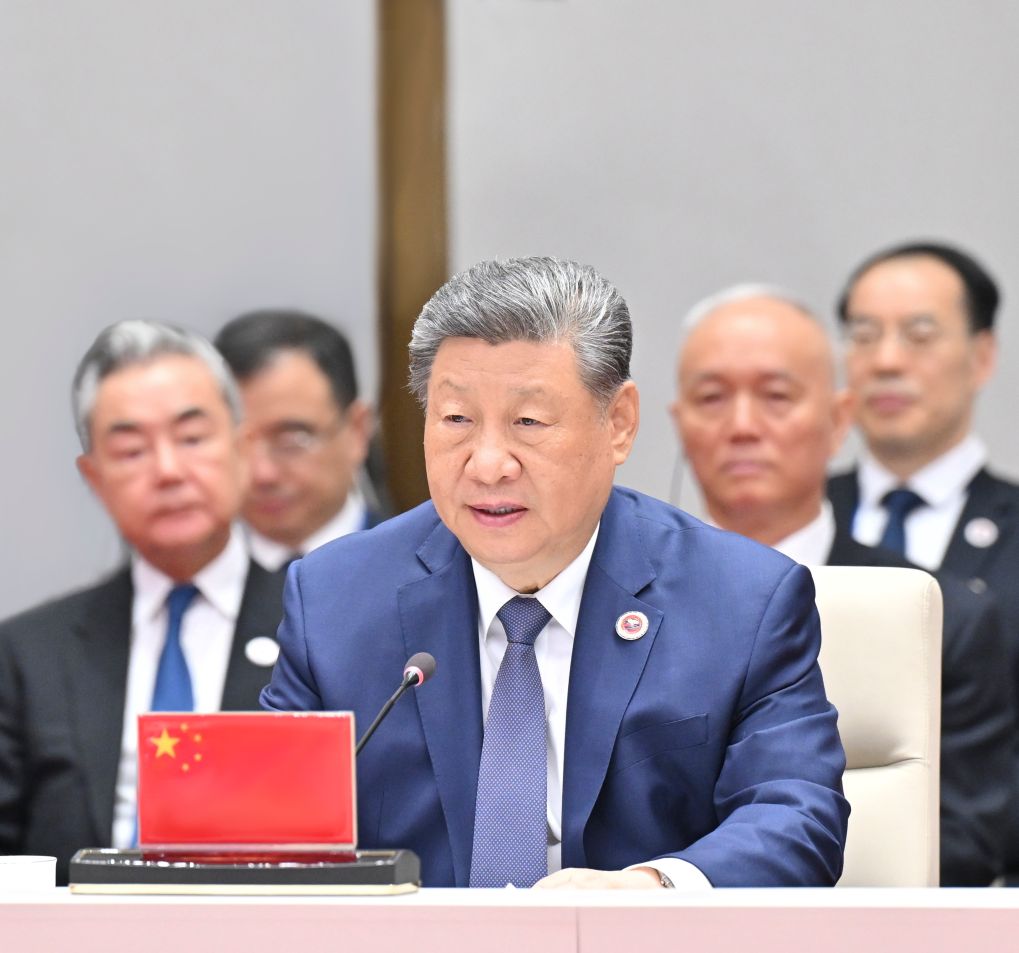
Chinese President Xi Jinping delivers an important speech during the 26th Meeting of the Council of Heads of State of the Shanghai Cooperation Organization (SCO) in Bishkek, Kyrgyzstan, Sept. 1, 2026. (Xinhua/Zhai Jianlan)
BISHKEK, Sept. 1 (Xinhua) — Chinese President Xi Jinping on Tuesday put forward a four-point proposal at the 26th Meeting of the Council of Heads of State of the Shanghai Cooperation Organization (SCO) in the Kyrgyz capital of Bishkek.
In his speech at the summit, Xi said this year marks the 25th founding anniversary of the SCO. He pointed out that 25 years ago, safeguarding sovereignty, security and development interests became a shared consensus among countries in the region in the face of the profound lessons of the Cold War, the real threat posed by the “three evil forces,” as well as the strong aspirations of people in various countries for peace and development.
The SCO thus emerged, and the organization has increasingly demonstrated its strong vitality and dynamism, Xi added.
Over the past 25 years, the SCO has gone through an extraordinary journey, Xi said, noting that its most significant achievement has been its gradual transformation into a new type of regional cooperation organization that spans the largest geographical area, represents the largest population, and possesses enormous development potential in the world.
The SCO’s most valuable spiritual asset is the pioneering proposal and steadfast adherence to the “Shanghai Spirit” of mutual trust, mutual benefit, equality, consultation, respect for diversity of civilizations and pursuit of common development, he said.
The SCO’s most important experience for cooperation is that it has found the right way of coexistence featuring non-alliances, non-confrontation and not targeting any third party, while bringing countries in the region together to build a common home, he added.
Xi said that 25 years on, as profound changes unseen in a century are accelerating, the rivalry is intensifying between dialogue and confrontation, win-win cooperation and zero-sum, and multilateralism and unilateralism, and the shadow of war continues to haunt the world.
At the crossroads concerning the future of humanity, the SCO should shoulder its historic responsibility and take the initiative in steering the course of history, he said.
Xi called on the SCO to stay committed to putting development first, and open up the prospects for shared prosperity.
The SCO, Xi said, should champion a universally beneficial and inclusive economic globalization, consolidate cooperation in traditional areas such as trade and investment, connectivity, energy and resources, and expand cooperation in emerging areas such as artificial intelligence, digital economy, green industry and green mining.
China sees the SCO as a priority area for the high-quality joint construction of the Belt and Road and implementation of the Global Development Initiative, and will continue to host events such as the SCO Digital Economy Forum and the SCO Agricultural Expo, Xi said.
China will also establish an international cooperation center on AI applications for SCO countries, set up a China-SCO port economy cooperation center in Tianjin, and jointly implement 100 technological cooperation projects with SCO countries over the next three years, Xi added.
Xi urged the SCO to stay committed to taking security as a key goal, and foster an environment of common security.
The SCO should coordinate to counter traditional and non-traditional security threats, combat the “three evil forces,” transnational organized crime, drug trafficking and telecommunications fraud, strengthen cooperation on information security, bio-security and outer space security, and guard against external forces from interfering in the internal affairs, endangering political security and undermining regional stability, Xi noted.
Xi said China stands ready to work with all parties to act on the vision of a common, comprehensive, cooperative and sustainable security, and build the SCO into an important platform for implementing the Global Security Initiative.
China supports the early opening of the SCO’s “four security centers” so as to enhance the capacity of member countries to address security threats and challenges, Xi said.
Xi also called on the grouping to put people first, and cement the foundation for everlasting friendship.
The SCO should take into account the characteristics of each member state’s history, culture, social system and development stage, build cooperation networks between legislatures, political parties, schools, think tanks, enterprises and media, promote people-to-people exchanges, and inject vitality into the good-neighborliness and friendship among member states, he said.